The creative flow is the state of ideas that are related to each other, and the storytelling is effortless. Most creators get inspiration bursts and then fail to sustain them in the planning process. This break is frequent when the preliminary thoughts get lost, or the story becomes incoherent. Having a positive flow of thought between conceptualization and visualization is one of the keys to creating quality material. Visual aids can ground creativity, to enable you connect concepts and experiment with possibilities without losing focus. The visual structure of scene mapping with CapCut ensures that the momentum is not lost and ideas are not isolated. It helps to sort out ideas by arranging them in a visual way, thereby eliminating confusion and improving clarity of the storytelling before the actual production process starts.
Why Creative Momentum Breaks in Pre-Production
At the pre-production stage, the creative energy may get stuck as the ideas are scattered and the planning process is overwhelming. The absence of a clear sequence can result in a sense of fragmentation to the scenes, and one cannot sustain a coherent plot. Conventional storyboards created manually, using sketches, can be time-consuming when it comes to arranging shots. Artists can spend their time rearranging drawings or reworking plans, breaking the natural progression of thoughts. This manual process restricts experimentation and may turn the pre-production phase into a dull process instead of a creative, motivating process. The project can be affected, in its turn, by uneven tone or pacing of visuals and become less effective.
The Idea of AI Scene Mapping for Continuous Creativity
Scene mapping is a kind of AI that changes the pre-production process, categorizing ideas into consecutive visual blocks. The AI functions of CapCut translate scripts into storyboards, automatically dividing scenes and shots. This technique enables the creators to view their story frame by frame without manually rearranging them. AI writer integration takes raw scripts and generates a structured visual layout, providing instant clarity. The connections between the concepts are explicitly visible, assisting the creators in keeping their pace as they experiment with the story, tones, and visual style. Connecting the scenes visually, CapCut makes every creative decision contribute to the overall story, so there are fewer interruptions related to uncertainty or random thoughts.
CapCut Tools That Empower Creative Flow
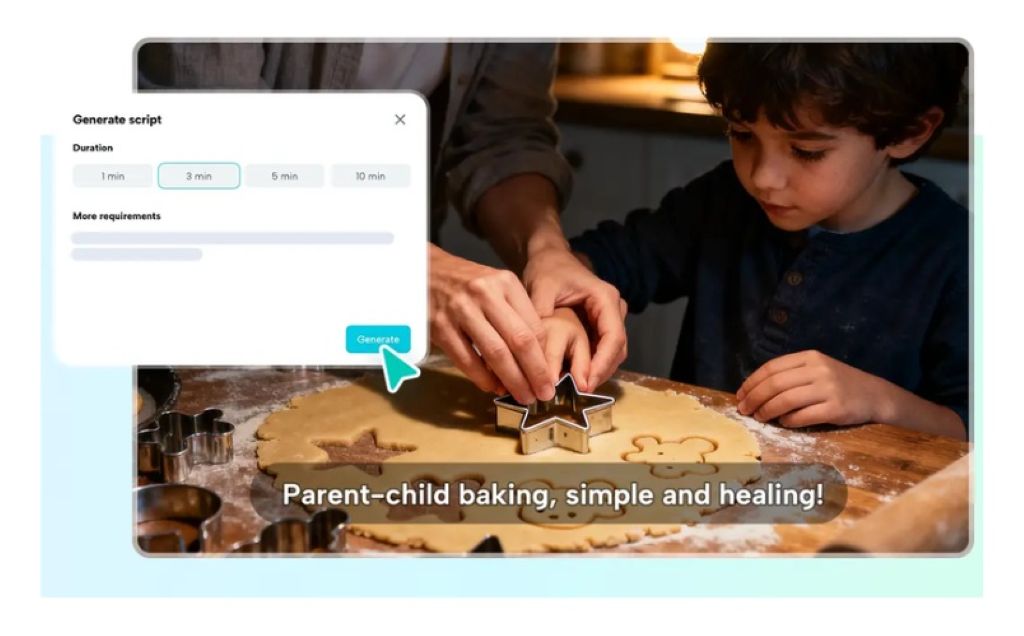
CapCut provides a number of tools that help to sustain and develop the creative flow. Its AI script-to-storyboard generation turns ideas directly into orderly visual sequences. This aspect gives a smooth, step wise outline of scenes so that creators can see the progress of the story by simply looking at it. Automatic shot segmentation breaks down a script into clear scenes, emphasizing pacing and timing. The inclusion of audio and captions at the initial stage of the process develops mood, rhythm, and tone prior to the commencement of production. These features save time wasted in trial and error changes, and the creative power is concentrated on the storytelling. Artists have a chance to perfect images, text, and audio at the same time, and the result can be a unified work that does not make them lose creativity.
Steps to Boost Your Creative Flow with AI Storyboard Scene Mapping
Step 1: Launch the scene planning dashboard
Access the CapCut online video editor and enter the main dashboard. Click the “Free AI video maker” to unlock creative automation. Select “Instant AI video” to begin automated scene mapping for your concept.
Step 2: Build scenes through guided scripting
Pick the visual style that matches your creative idea. Type your concept into the “Enter script” field, or activate “Generate script” for a ready-made storyboard outline. Choose your format using aspect ratios like 16:9 or 9:16. Set storyboard length and narration style. Hit “Create” to map out connected scenes with visual direction.
Step 3: Enhance scene flow with sound and text
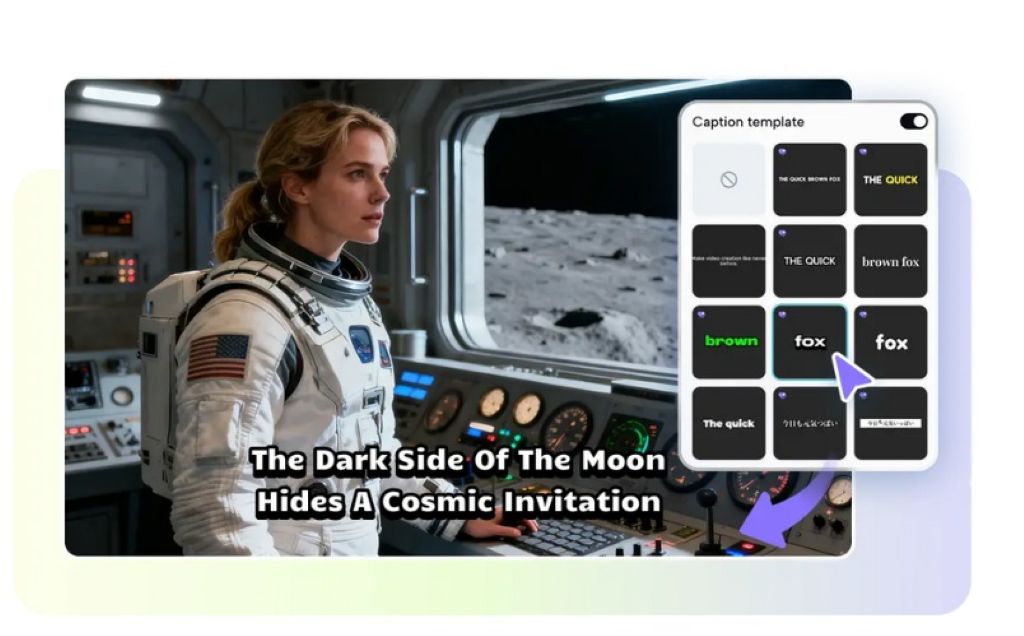
Click “Create” to generate a structured scene layout. Use the “Music” panel to apply a suggested background track. Open “Elements” to select a caption template that reinforces your pacing and tone.
Step 4: Export and activate your scene map
Once the visual flow feels complete, select “Export” to define resolution, format, and frame rate. Click “Export” again to store the final creative draft on your system.
Exploring Ideas without Going Lost with Scene Mapping
Scene mapping enables the creators to explore variations without losing the narrative direction. Through visualizing relationships among frames, one can more easily test alternative arcs of story or approaches to style. The templates at CapCut are adjustable to allow creators to retain tone and style, but experiment with new ideas. Watching the story being shown visually stimulates the process of iteration and exploration of creativity. Every scene serves as a control gate, so experimentation is kept in line with the vision. This clarity eliminates indecisiveness and encourages decisive action, which is necessary in sustaining an unbroken stream of thought in creativity.
The role of Scene Mapping in making collaboration easier
Collaborative projects benefit significantly from AI storyboard scene mapping. Narrative structure can be understood instantly by team members without having to be explained. There is also cloud-based editing, which has real-time updates, and everybody can be working on the most recent storyboard version. The visual sequencing helps to make group decisions faster and eliminate misunderstanding and redundant amendments. CapCut allows teams to work efficiently by organizing ideas in centralized visual format, still maintaining the creative intent of the project. The process of planning and production is fast-tracked as it is easy to annotate, rearrange, or refine scenes collectively.
 Being Creative and keeping the Confidence
 Being Creative and keeping the Confidence
The creation of structured scene mapping minimizes uncertainty and blocks creativity. When every action of the story can be seen and arranged, creators are confident to be experimental. This allows confidence to be built as the ideas are tried out and improved without distorting the story. The workflows supported by AI improve the results of storytelling by maintaining visuals, audio, and captions in the desired tone. Automation and flexibility together guarantee that creativity is maintained during pre-production. CapCut offers structure and freedom to creators and allows them to concentrate on making engaging and polished content, concept to final export.
AI Storyboard: The Key to Sustaining Creativity
An AI storyboard allows creators to visualize ideas efficiently, maintaining focus and inspiration throughout pre-production. It minimizes distractions and avoids creative exhaustion by mapping scenes in a logical visual sequence. CapCut offers the means to turn a collection of notes into a sequence, allowing a smooth transition between script and final cut. The AI solution means that the clarity of the narrative and the visual consistency are maintained so that creators do not need to worry about logistics, but instead, they can concentrate on storytelling.
Conclusion
AI scene mapping is a critical item of maintaining creative momentum during pre-production. CapCut is a user-friendly program to arrange scenes, add audio and captions, and test variations without losing the story. Planning ideas visually, creators will be able to stay inspired, decrease uncertainty, and improve collaboration. The use of AI-based storyboard processes will guarantee a seamless, more assured narrative process between the original idea and the final product. Using CapCut in mapping scenes allows creators to create high-quality, enjoyable, and organized content more effectively and creatively.
