
Trekking is not just an activity in Ladakh, it is part of the region’s identity. Long before roads connected valleys and high passes, walking trails were the lifelines linking villages, monasteries and grazing grounds. Today, these ancient paths form one of the most remarkable trekking networks in the Himalayas, attracting travelers who want to experience Ladakh slowly and authentically.
Ladakh is located in the far north of India and offers vast mountain landscapes, remote valleys and cultural traditions shaped by Tibetan Buddhism. Travelers experience the region through scenic road journeys to Nubra Valley and Pangong Lake, as well as multi-day treks through protected areas like Hemis National Park. To understand how these regions connect and to plan a realistic itinerary, consulting a Ladakh map is a good first step.
Exploring Leh and its surroundings
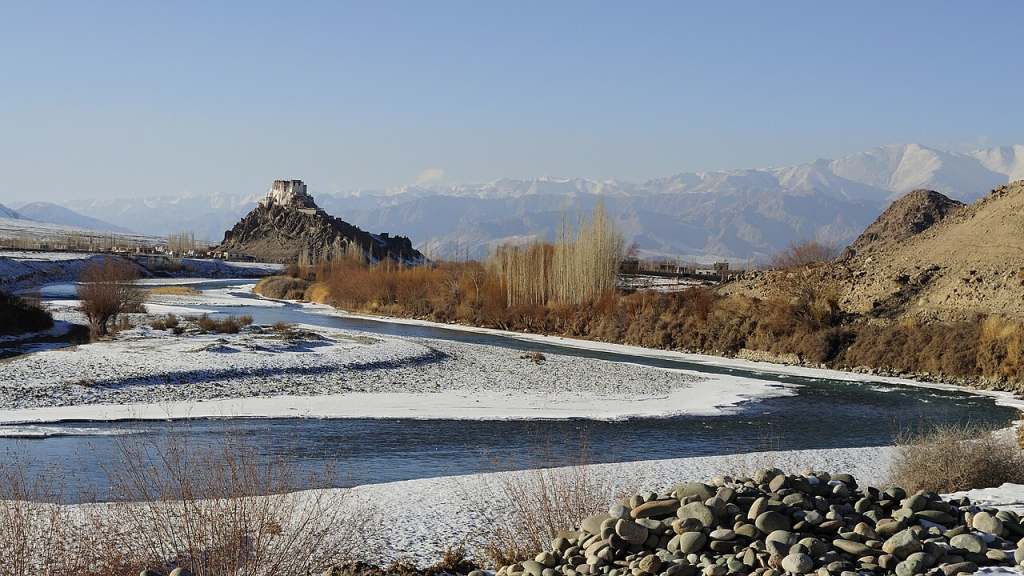
Most trips start in Leh, the capital of Ladakh. Set at 3,500 meters above sea level, Leh is more than just a gateway. Its old town, narrow lanes, and hilltop palace offer insight into Ladakh’s past as a crossroads of trade and culture. Nearby monasteries such as Thiksey, Hemis, and Shey introduce visitors to Tibetan Buddhist traditions that remain very much alive.
Leh is also the ideal base for day excursions during the acclimatization period. Short drives lead to river confluences, high-altitude desert landscapes, and villages where life continues much as it has for generations. Taking these first days slowly is essential and allows the body to adjust naturally to the high altitude.
Nubra Valley – sand dunes and high passes
One of the most striking regions accessible from Leh is the Nubra Valley. Reached via Khardung La pass, the highest motorable road in the world at 5,600 meters, the journey itself is an experience.
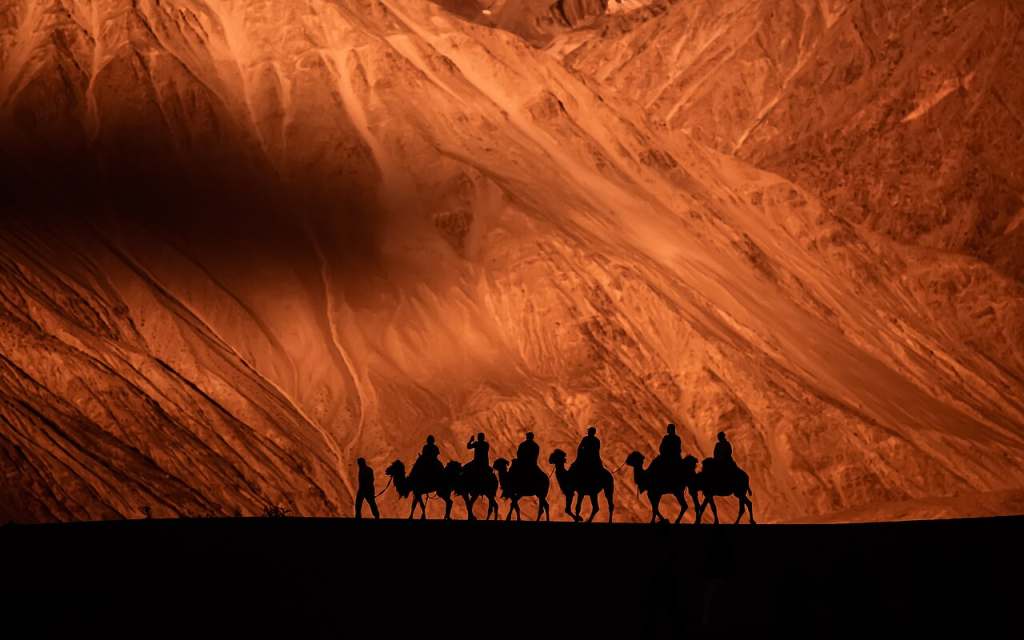
Nubra is famous for its unexpected sand dunes near Hunder village, where double-humped Bactrian camels still roam. Yet the valley is also deeply agricultural, fed by the Shyok and Nubra rivers. Villages like Diskit and Turtuk showcase a gentler, greener Ladakh, with apricot orchards and welcoming homestays.
Turtuk stands out for its distinct culture and history. Opened to visitors only in recent decades, it offers a different perspective on Ladakh, shaped by geography and a unique cultural heritage influenced by Central Asia.

Pangong Lake – a unique landscape
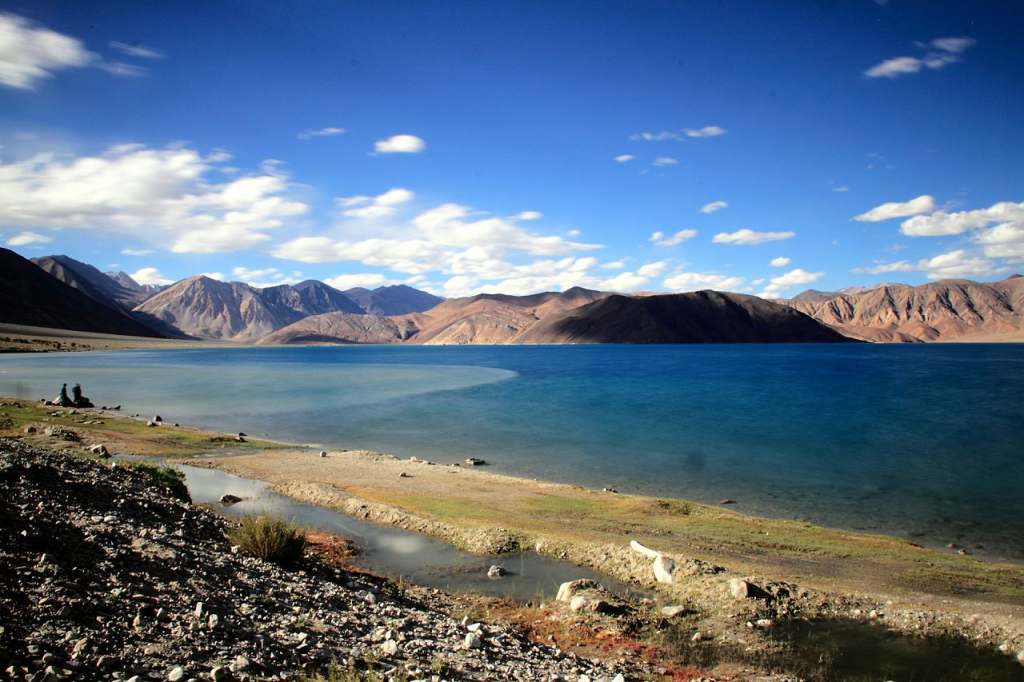
No tour of Ladakh feels complete without visiting Pangong Lake. Stretching across India and Tibet, this high-altitude lake lies at over 4,200 meters and is famous for its constantly changing colors. Depending on the light, Pangong can appear deep blue or turquoise.
The drive to Pangong passes through stark mountain scenery and remote settlements, reinforcing the sense of isolation that defines much of Ladakh. Many travelers choose to stay overnight near the lake, allowing time to experience sunrise and sunset when the landscape feels almost unreal.
Due to its altitude and remote setting, visiting Pangong Lake requires some planning. The drive from Leh takes 4 to 5 hours and passes through high mountain terrain, where weather conditions can change quickly. Allowing time for acclimatization and checking local conditions in advance helps ensure a comfortable and enjoyable visit.

Trekking in Ladakh
While road journeys reveal much of Ladakh’s beauty, trekking offers a deeper connection with the land. Walking through remote valleys, crossing high passes, and staying in village homestays allows travelers to experience Ladakh at a slower, more personal pace.
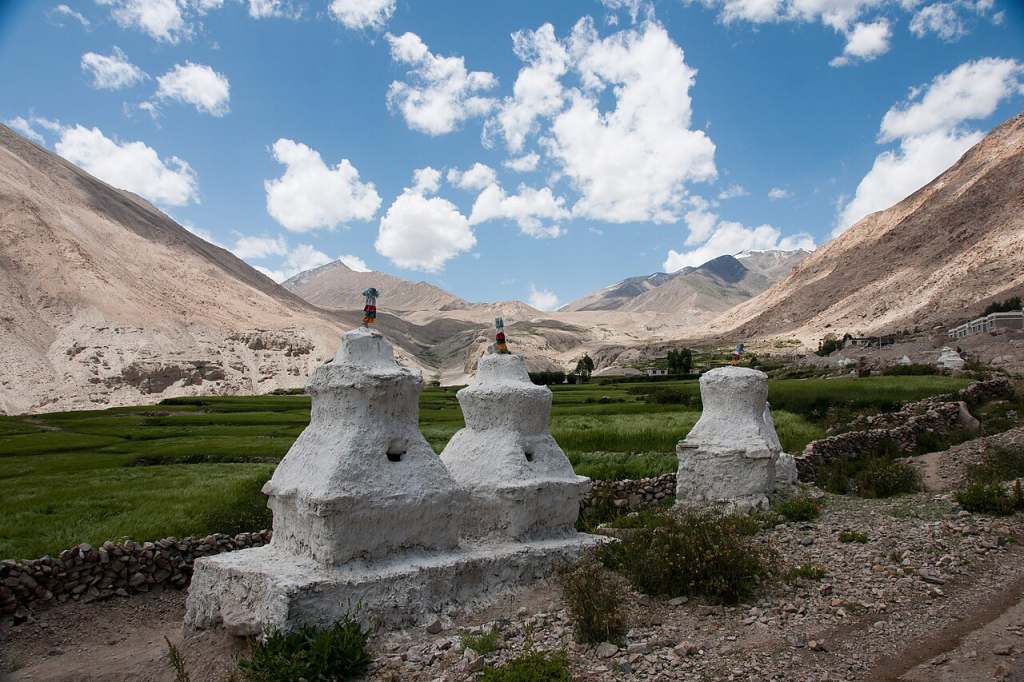
Among the many trekking routes in the region, the Markha valley trek is widely considered the best option. Located within Hemis National Park, it combines dramatic mountain scenery with rich cultural encounters. The trail follows the Markha river, passing through traditional villages, barley fields, and ancient monasteries before climbing toward high passes with expansive Himalayan views.
The Markha Valley passes many villages where trekkers can stay overnight. Wildlife sightings are possible, as the park is home to marmots, blue sheep, and occasionally the elusive snow leopard.
For travelers new to high-altitude trekking, this route offers an excellent introduction, especially when approached with proper acclimatization and a steady walking pace.
Practical Considerations for Touring Ladakh
Ladakh is not a destination for rushed travel. Altitude, weather, and long distances all require thoughtful planning. The best time to visit is generally from June to September, when mountain passes are open and conditions are stable.
Permits is required for certain regions, including Nubra Valley and Pangong Lake and it is advisable to arrange these in advance or through a local agency. Experienced guides and drivers play a crucial role in ensuring safety while also enriching the journey through their knowledge of the region.
Accommodation ranges from comfortable hotels in Leh to simple guesthouses and homestays in remote villages. Staying with local families often becomes a highlight of the trip, offering insight into daily life in the mountains and a chance to share traditional meals.
After Ladakh – a contrast in Rajasthan
After the raw, mineral landscapes of Ladakh, many travelers choose to continue their journey south to Rajasthan. The contrast is striking. Where Ladakh is quiet and expansive, Rajasthan is colorful, vibrant, and steeped in royal history.
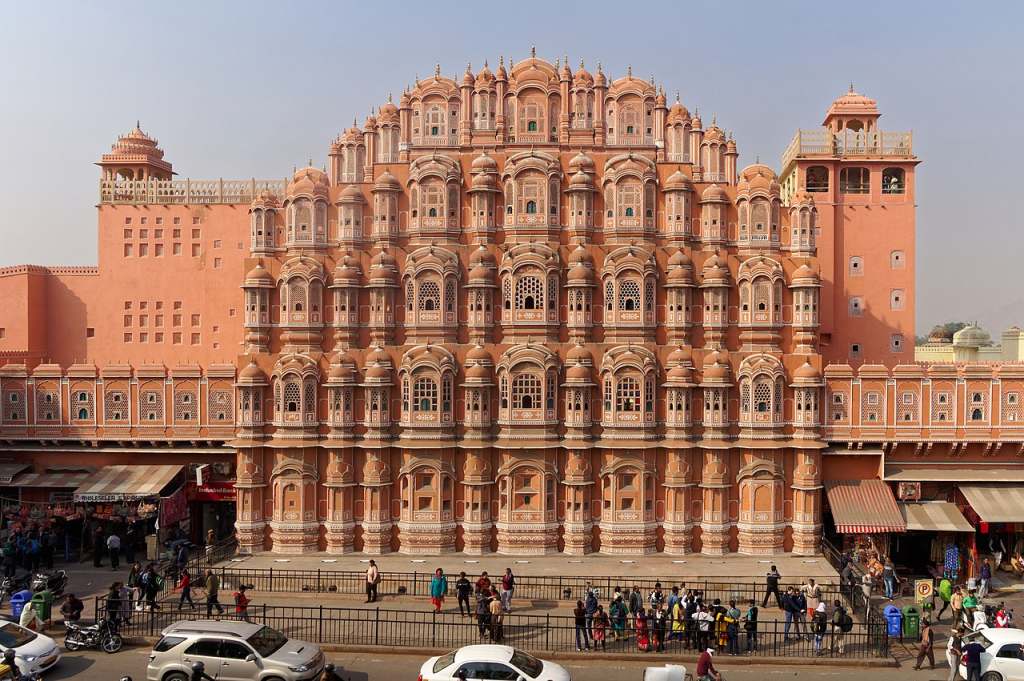
A well-designed Rajasthan tour introduces travelers to cities such as Jaipur, Jodhpur, Pushkar, Udaipur, and Jaisalmer. Hilltop forts dominate desert plains, palaces reflect in tranquil lakes, and lively bazaars bring centuries of tradition to life.
This transition from high-altitude wilderness to richly decorated cities creates a balanced and rewarding journey. After days of silence in the mountains, Rajasthan’s warmth, architecture, and cuisine feel especially welcoming.