


Britain’s historic landmarks attract visitors from across the world. Castles, cathedrals, estates, and heritage towns shape how people experience the country. For travellers with mobility needs, access determines whether these places feel welcoming or restrictive. Thoughtful planning, suitable transport, and clear information now allow more people to experience Britain’s history with confidence.
Accessible Heritage Sites Across Britain
Many historic cities have invested in step-free routes and adapted visitor facilities. Lincoln stands out through coordinated access planning across major landmarks, public spaces, and visitor infrastructure, with accessible attractions in Lincoln reflecting how mobility needs are considered alongside heritage preservation.
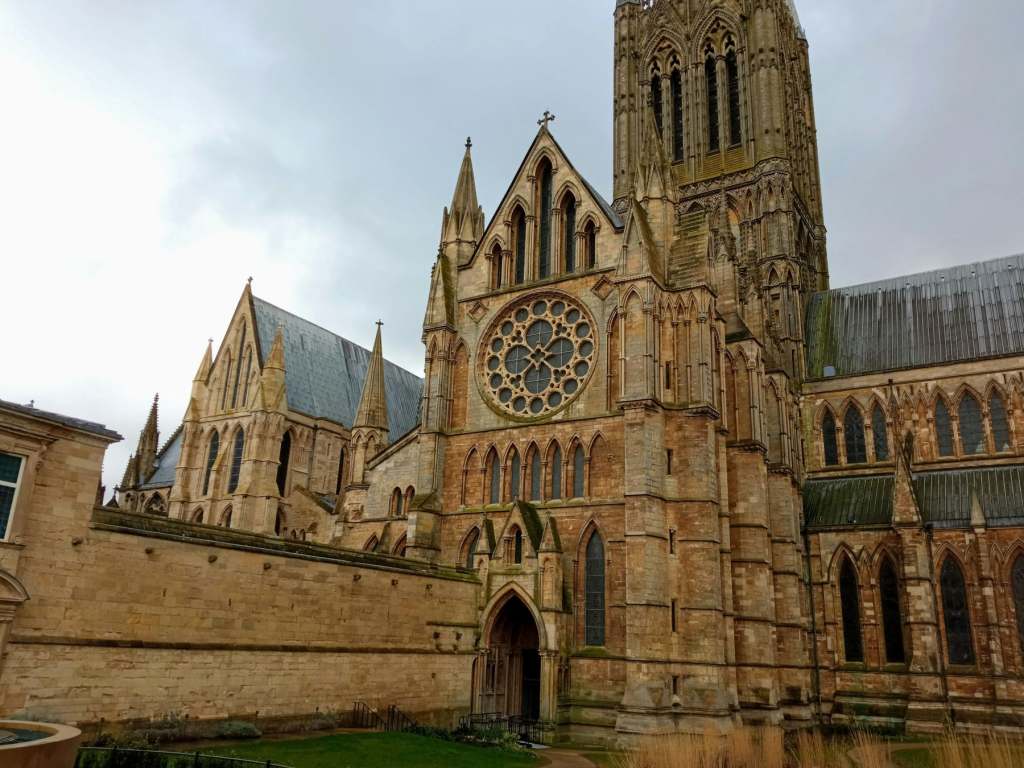
Lincoln Cathedral also demonstrates how accessibility can coexist with preservation. Step-free access, adapted toilets, and lift systems allow visitors to explore large sections of the site without relying on assistance. Staff support remains available where architectural constraints remain.
Outdoor heritage locations often offer the most consistent access. Kew Gardens provides level pathways, tactile maps, and sensory features that support a wide range of mobility needs. Westonbirt Arboretum combines maintained routes with mobility scooter availability, allowing visitors to experience historic landscapes without physical strain.
Accessibility varies by site. Older landmarks built on hills or within defensive layouts may offer partial access rather than full coverage. Checking site-specific access details before travel remains essential.
Planning Transport Between Historic Attractions
Transport planning shapes the entire heritage experience. Many historic sites sit outside city centres or within old street layouts that limit public transport access. Rural estates, hilltop castles, and preserved villages often require private transport to reach comfortably.
Accessible vehicle hire offers flexibility across multi-site itineraries. Travellers who hire a wheelchair accessible vehicle today gain control over timing, route choice, and comfort between destinations. Adapted vehicles with ramps, lowered floors, and secure seating reduce reliance on fixed transport schedules and remove uncertainty when travelling between sites.
Demand for accessible vehicles increases during peak travel months, especially from late spring through early autumn. Early booking supports availability and allows time to confirm vehicle specifications match individual needs.
Understanding Public Transport Limits
Public transport accessibility in Britain has improved, but historic locations still present gaps. Major cities continue to upgrade stations and rolling stock, yet older stations often lack step-free access. Rural bus services may operate infrequently or use vehicles unsuitable for wheelchair users.
Some heritage organisations operate shuttle services from nearby transport hubs. These services vary by location and season and often require advance booking. Checking availability early avoids last-minute changes.
Cities such as York, Edinburgh, and Bath feature cobbled streets, narrow pavements, and steep gradients. Accessible taxis provide short-distance support where walking becomes impractical. Pre-booking local services reduces waiting times and ensures suitable vehicles are available.
Choosing Accessible Accommodation Near Heritage Sites
Accommodation selection affects both comfort and independence. Many historic towns now offer hotels with adapted rooms that meet modern accessibility standards while remaining close to major attractions.
Key features to confirm include step-free entrances, lift access, bathroom layout, and room circulation space. Wet rooms, grab rails, and emergency call systems support independent stays.
Several historic properties now include adapted guest spaces within preserved buildings. Converted gatehouses, lodges, and estates offer accessible units without compromising location. These adaptations often reflect wider accessible housing options for disabled adults, which prioritise independence, safety, and long-term usability.
Using one accessible base location reduces daily travel demands. Cities such as York, Chester, and Edinburgh provide access to multiple heritage sites within short distances, limiting the need for frequent accommodation changes.
Technology Supporting Accessible Travel
Digital tools now support informed planning. Accessibility platforms provide measurements, photographs, and verified visitor feedback that help travellers assess suitability before arrival, supported by digital access information for heritage sites that improves clarity when planning visits to historic locations. These resources reduce uncertainty and support realistic itinerary planning.
Virtual tours extend access further. Many heritage organisations now offer digital walkthroughs of areas that remain physically inaccessible, including towers, galleries, and narrow passageways. These tools complement on-site visits rather than replacing them.
Mobile booking systems also simplify transport and accommodation coordination, supporting last-minute adjustments when conditions change.
Financial Support and Visitor Schemes
Several schemes support accessible heritage visits. Many attractions and cultural venues offer companion admission options for visitors who require assistance, following an essential companion ticket policy that reduces cost barriers while recognising ongoing support needs.
Blue Badge parking improves access at many sites, with designated spaces positioned near entrances where possible. Most heritage organisations publish parking details within their accessibility sections.
Britain’s historic attractions are becoming more accessible through careful planning, improved facilities, and better transport coordination. When mobility needs are considered early, heritage travel becomes practical rather than limiting. Clear access information, suitable accommodation, and reliable transport reduce uncertainty and support independent exploration. With the right preparation, visitors can focus on the experience itself, not the barriers around it. Accessible heritage travel now allows more people to engage with Britain’s history on their own terms.