


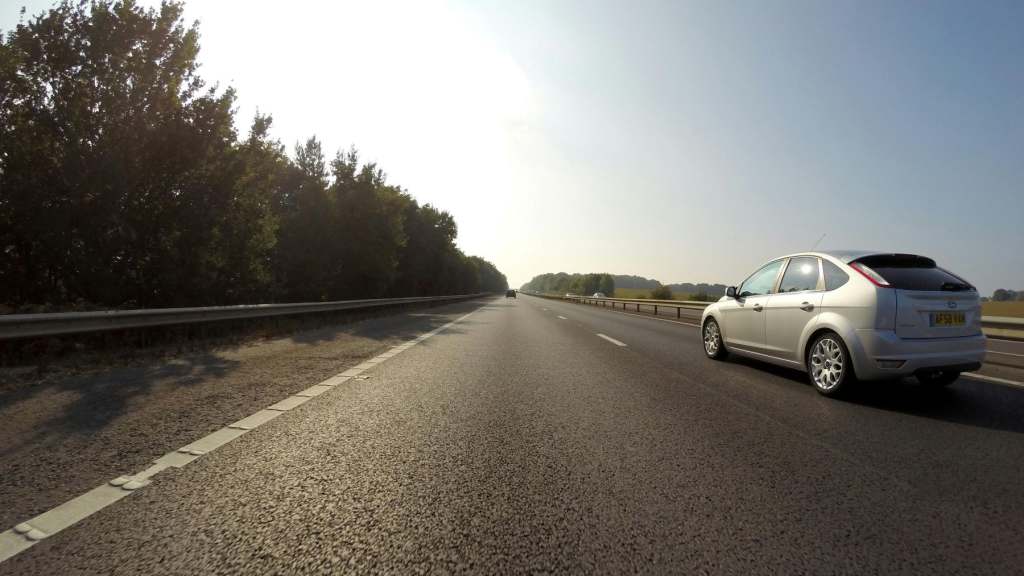
Driving in Europe past the age of 40 is more about control than it is about spontaneity. You’re no longer out to prove anything behind the wheel. You want the trip to go smoothly and predictably, without any stupid, avoidable obstacles that can so easily ruin a long-planned trip.
The roads in Europe are superb. European rules are patchy, rigid, and sometimes counterintuitive, particularly once you leave a country.
It can be a bit confusing. But a little planning can go a long way in helping you drive these roads smoothly and with fewer surprises.
Why Driving in Europe Feels More Complex Than It Used To
Europe is not one driving system. Each country has its own logic when it comes to tolls, speed enforcement, and access rules. What’s legal in one place can quietly become a violation ten kilometers later.
The problem isn’t a driver being irresponsible. It’s keeping track of the rules. Cameras instead of barriers. Digital enforcement instead of police stops. Fines that show up weeks later, long after you’ve forgotten the road you were on.
As a result, seasoned drivers are now putting a lot of time and effort into preparation these days. It’s not out of fear but rather about being in control and getting the most out of their time on the road. They’re looking to limit the number of issues they come across and ultimately save themselves some cash in the long run.
The Toll Trap That Most Drivers Never See Coming
To be honest, most people still think of toll booths in the same old way. Stop, pay, and go. But the truth is that’s no longer the case in most of Europe.
Some European countries have taken a different approach to highway access; they’re using a time-based system. You don’t actually have to stop at a booth anywhere; you’re just supposed to have the right permit before you even get on certain roads. If you don’t get it right, you might not even realize what went wrong until the fine shows up in the mail.
That is where drivers frequently hit a snag, especially those traveling across several countries on the same trip. It is easy to get caught up in thinking about fuel stops and hotels and forget that the mere use of highways may be governed by a different set of rules.
Most experienced travelers today consider vignettes in the same way they consider insurance or GPS: something you figure out calmly in advance, not on the side of the road of a foreign country.
Speed Limits Are Enforced in a Different Manner Than You Are Used To
Europe does not enforce speed limits through visible police presence. It uses systems:
- Average-speed zones track how fast you drive over long distances
- Fixed cameras pop up out of nowhere
- Variable speed limits are constantly changing due to weather or roadwork
Germany, France, Italy, Austria, and Switzerland all enforce speed limits in a different manner, and none of your assumptions will translate well.
At this point, the best course of action is not to memorize all the numbers; it’s too much to remember on your own. It is to drive carefully and as if enforcement is always present. Because most of the time, it is.
Urban Areas Are the Real Danger Zone
Highways are child’s play compared to city streets. Low-emission zones, no-entry traffic areas, and resident-only zones – these aren’t simple suggestions. They are computerized systems programmed to punish offenders without debate.
You can follow the GPS instructions to the letter and still find yourself in a no-entry area if you do not know how to navigate local access restrictions. After 40, the point is not to squeeze your car into the historic center; it is to park outside and remain calm.
Planning Routes Like an Adult (Not an Adventurer)
When you are younger, it is all part of the adventure. You don’t mind the detours or getting lost here and there. When you are older, it is just plain exhausting.
Smart European road trips now boil down to:
- Planning your route in advance.
- Taking the main roads whenever possible.
- Avoiding unnecessary border surprises.
- Reducing mental load while driving.
That means fewer last-minute decisions and more quiet confidence that everything important is already handled.
Experience Is About Removing Friction
Driving in Europe over 40 isn’t harder; it’s just less forgiving of shortcuts. The rules reward preparation, not improvisation.
If you approach the trip the same way you approach everything else at this stage of life (calmly, deliberately, with fewer assumptions), Europe becomes exactly what it should be: a pleasure to drive through, not a system to fight against.