Photographing a festival is one of the most exciting experiences you can have as an event photographer. The unique atmosphere offers a variety of different opportunities to take mesmerizing shots of people having the time of their lives.
However, the long days, busy schedules, and often demanding environment can be challenging to navigate if you are not fully prepared. The most important step you can take is building a master toolkit, including camera lenses, at least two bodies, extra batteries, memory cards, and lens wipes to guarantee you have everything you could need to make the most of your shoot.
Cameras
You should always take two cameras to a festival, using one to shoot while the other is strictly a backup. If you plan to see everything at a festival, there will be a lot of walking involved, and you can expect to rush from one place to another to catch certain acts while they are performing live. Carrying only one camera at a time reduces the load, making it easier to move around with your equipment. This will require you to change lenses more often, but the lighter weight makes it a minor inconvenience.
If you have more than one extra camera to choose from, pack a camera body that requires a different power source. You can never predict what will happen on the day, and if your charging source stops working, having an alternative camera with alternative charging capabilities lets you keep shooting.
Lenses
One of the biggest differences you will experience between shooting smaller, local event venues and larger festivals is that the majority of the time, you will probably be a much larger distance away from the stage.
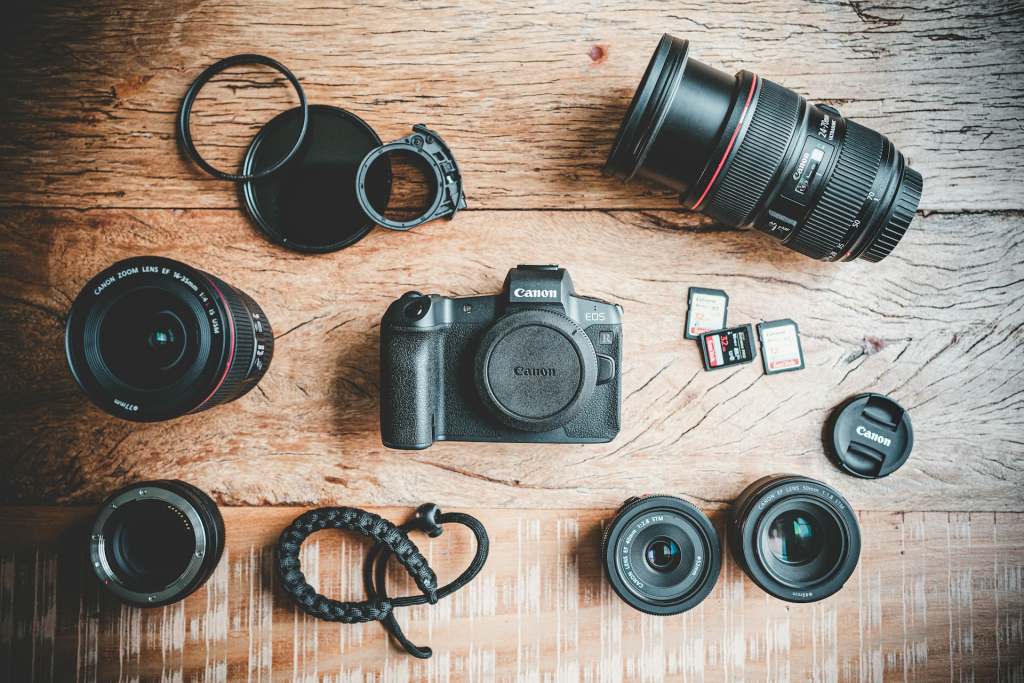
All photographers tend to have specific lenses they enjoy working with most, but for festivals, you will benefit from carrying a zoom lens, an extended lens if you are shooting from the back of the crowd, and a 16-35mm lens for wide stage shots or crowd shots. Be sure to test and clean your lenses at home to ensure everything works correctly and is ready to use upon arrival.
Batteries
It is unrealistic to expect facilities to be available to charge camera batteries as needed, so it is crucial to make sure that everything that needs to be charged is fully charged before leaving the house, including one or two extra sets of batteries, depending on how long the festival is and how much you expect to use your camera.
Alternatively, you can pack a portable battery pack to recharge devices such as your mobile phone or camera battery, if it supports USB charging. It may feel unnecessary, but if possible, always pack an extra charging option to avoid being left in a difficult position if something fails.
Cards
The type and quantity of storage cards you take with you will depend on the type of festival you are attending and how much you hope to capture. For large festivals with multiple different stages and lots on offer, you will want to capture as much as possible, which will require more cards, especially if you don’t plan to take a laptop with you to download photos at the end of each day.
Many experienced festival photographers recommend not using an SD card larger than 32 GB; if the card becomes corrupted, you won’t lose extensive amounts of work. Ensure you have enough cards, plus a few extra, to last the entire event, so you can photograph as much as you want without worrying about running out of space.
Earplugs
One thing people often overlook for festivals is earplugs. While live, loud music and vibrant atmospheres are the reasons people attend these events, it is crucial to protect your hearing, especially if you attend regularly.
Photographers hoping to capture showstopping shots of the crowds and performers will usually find themselves very close to the stage, in front of large speakers that can be extremely loud and dangerous for the ears. Invest in a pair of music-safe earplugs that will let you enjoy the music at a much safer, lower volume.
Camera Bag
You will likely spend more time carrying your camera gear than using it, so it is essential to pack everything in a comfortable, practical bag that allows easy access and keeps your equipment well protected.
However, if you plan to go into the PIT, the high-energy, extremely crowded area right in front of the stage, it may be more practical to ditch the camera bag for a more functional solution. You could opt for a small cross-body bag or belt bag to carry accessories such as extra batteries, lenses, and SD cards, while using a longer body strap to hold your camera for safety.
Lens Wipes
While your camera equipment is arguably the most important part of your photography toolkit, you will benefit from adding a few extra additions to ensure you are fully prepared for whatever comes your way. Whether it’s unexpected rain or flying drinks, there is a very good chance that your camera and lenses might get wet.
In addition to a waterproof camera bag, it is worth carrying a stack of lens wipes and two or three microfiber cloths to rotate, keeping your equipment clean. They are lightweight and take up very little space, making them ideal to keep in your camera bag or backpack throughout the festival.
