


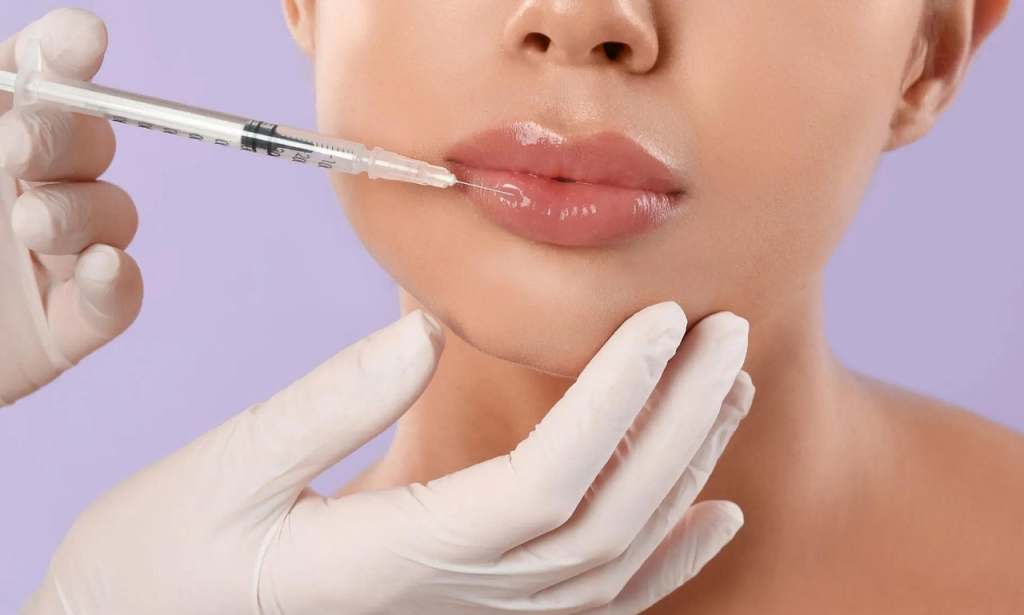
Botox injections have become a popular cosmetic treatment, administered to millions of individuals annually who seek a rejuvenated appearance. Despite its widespread use, misinformation surrounding Botox is abundant, fueling concerns about its safety and effectiveness. As myths proliferate, it’s important to address the realities of what patients can expect before and after undergoing Botox treatment.
To illuminate the truths of Botox, this article dissects the myths and reveals the scientific explanations behind the cosmetic procedure. By exploring what Botox actually does to the skin, the anticipated results, and how to best maintain those effects, individuals can make informed decisions. Below, you’ll find evidence-based insights into the world of Botox treatments.
Debunking Common Botox Myths: Separating Fact From Fiction
One pervasive myth claims that Botox erases all facial expressions, rendering a person’s visage frozen or unnatural. However, when administered correctly by a qualified practitioner, Botox can enhance one’s appearance while maintaining natural facial movements. The goal is to soften lines, not eliminate the ability to express emotions.
Another widespread falsehood is that Botox is highly unsafe and toxic. Contrary to this belief, Botox has a long-standing track record of safety when provided by licensed professionals. The therapeutic use of Botox for various medical conditions further attests to its safety at regulated doses.
To avoid falling for myths, it is advisable to consult with reputable medical professionals and clinics, such as a Rocklin medical spa. Such establishments possess the credentials and experience to safely administer Botox, and they can offer a thorough consultation to address any concerns or misconceptions.
The Science Behind Botox: What Really Happens to Your Skin
Botox works by temporarily inhibiting the signals from the nerves to the muscles, preventing the muscles from contracting and thus reducing the appearance of wrinkles. Specifically, the botulinum toxin type A—Botox’s active ingredient—blocks the release of acetylcholine, which is the neurotransmitter responsible for muscle contraction.
This reduction in muscle activity results in the softening and often the disappearance of fine lines and wrinkles. The treatment is most effective on dynamic wrinkles, which are formed by facial expressions like frowning or squinting. Static wrinkles may need additional treatments like fillers or laser therapy.
To make the most of Botox treatments, seek consultations where practitioners can assess facial muscle dynamics. Reputable clinics will create personalized treatment plans that target only the necessary muscles, preserving a natural-looking facial expression.
Setting Realistic Expectations: Botox Results and Timeline
Understanding the typical timeline for Botox results is vital to setting realistic expectations. Patients often notice initial improvements within a few days post-treatment, but it can take up to two weeks to see the full effects of Botox on the targeted wrinkles and lines.
The longevity of Botox effects can vary, but generally, the results last between three to six months. Factors influencing this duration include the patient’s metabolism, the amount of Botox injected, and the strength of the targeted facial muscles. As muscle movement gradually returns, lines and wrinkles will reappear and require follow-up treatments.
Having an open dialogue with your provider about the anticipated outcome is crucial. Experienced clinicians can help manage expectations, outline a maintenance schedule, and suggest lifestyle modifications that might prolong the effects of Botox.
Post-Botox Care and Maintenance: Ensuring Optimal Outcomes
Following post-procedure care instructions can significantly influence the success of Botox treatments. Immediately after injections, patients are typically advised to refrain from engaging in strenuous activities, laying down, or manipulating the treated areas for several hours to prevent the spread of Botox to unintended muscles.
Long-term maintenance might include regular follow-up injections to maintain the desired effect. Additionally, incorporating a quality skincare regimen, including sun protection and moisturizing, can complement the rejuvenating effects of Botox by preserving overall skin health.
Patients should also maintain consistent communication with their healthcare provider. Scheduling periodic check-ins can ensure that the Botox results are monitored, and any adjustments to the treatment plan can be made swiftly and appropriately.
In conclusion, while Botox myths abound, the truth lies in the science of its effectiveness and safety. Understanding Botox’s mechanisms, setting realistic expectations for results, and following post-treatment care are critical for achieving and maintaining the best possible outcomes. By engaging with qualified healthcare professionals and sticking to sound advice on care and maintenance, patients can enjoy the benefits of Botox treatments with confidence.