Georgia is rapidly emerging as one of Europe’s most exciting travel destinations. Nestled between the Greater Caucasus Mountains and the Black Sea, this ancient country offers a captivating blend of history, culture, breathtaking landscapes, and world-renowned cuisine. Among its many treasures, two cities stand out as essential stops for any traveler: Tbilisi, the vibrant capital, and Kutaisi, one of the oldest continuously inhabited cities in Europe.
Whether you’re drawn to cobblestone streets lined with ornate balconies, centuries-old monasteries perched on hilltops, or dramatic natural wonders hidden underground, Georgia delivers experiences that rival destinations at a fraction of the cost. This guide covers everything you need to know about exploring Tbilisi and Kutaisi — from iconic landmarks to hidden gems, local food, and practical tips for getting around.
Why Georgia Should Be Your Next Travel Destination
Georgia has seen a remarkable surge in tourism over the past few years, and for good reason. The country offers visa-free or visa-on-arrival access for citizens of over 90 countries, making it incredibly accessible. The cost of living is significantly lower than in Western Europe, meaning your travel budget stretches much further here.
Beyond affordability, Georgia is a destination where ancient history and modern energy coexist. You can wander through 5th-century churches in the morning, sample natural wines at a trendy bar in the afternoon, and feast on traditional khinkali (Georgian dumplings) by evening — all without breaking the bank.
The Georgian people are famously hospitable. The tradition of supra — a Georgian feast guided by a toastmaster — captures the warmth of the culture perfectly. Visitors often remark that Georgia feels less like a tourist destination and more like visiting a welcoming friend.
Discovering Tbilisi: Georgia’s Captivating Capital
Tbilisi is a city that surprises at every corner. Spread along the banks of the Mtkvari River, the capital seamlessly blends old-world charm with a cosmopolitan edge. Here are the top experiences you shouldn’t miss.
Old Town: The Heart and Soul of Tbilisi
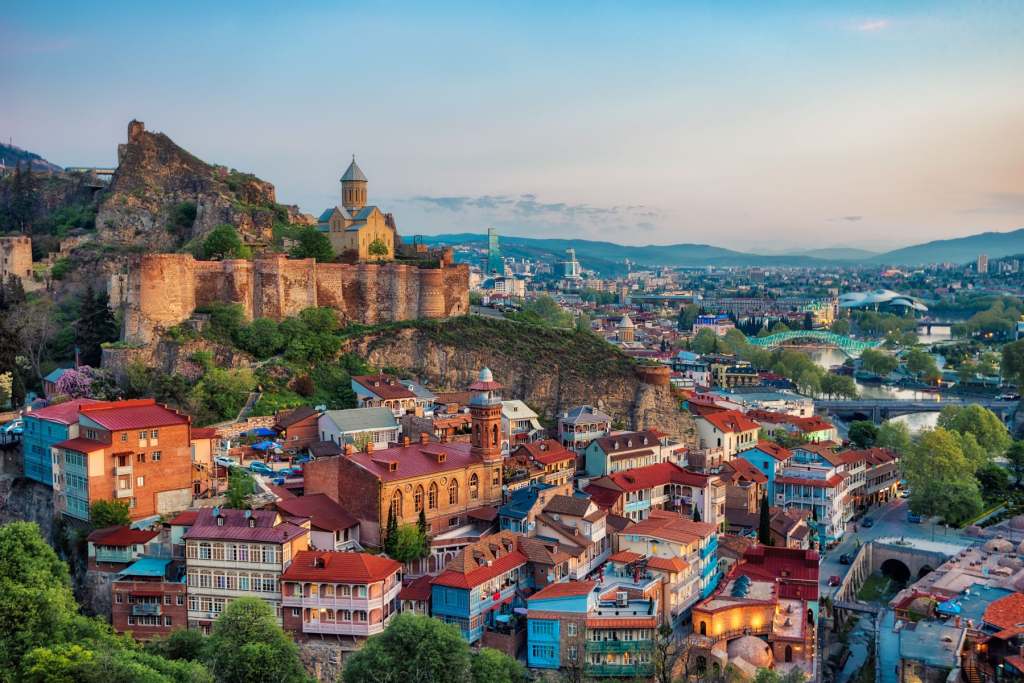
Tbilisi’s Old Town is a labyrinth of narrow, winding streets, colorful houses with carved wooden balconies, and hidden courtyards. The best way to explore it is to simply wander without a fixed plan — every alley reveals something unexpected.
Key highlights in Old Town include:
- Abanotubani (Bath District): Famous for its sulfur baths, this neighborhood has been a gathering place for locals for centuries. The distinctive domed rooftops of the bathhouses are iconic. A private bath session is a must-try experience.
- Leghvtakhevi Waterfall: Just steps from the sulfur baths, this natural waterfall sits right in the middle of the city — a pleasant surprise for first-time visitors.
- Jan Shardeni Street: A picturesque pedestrian street filled with cafés, restaurants, and art galleries. It’s perfect for an evening stroll.
- The Clock Tower of Gabriadze Theatre: This whimsical, slightly leaning tower puts on a small puppet show every hour — a charming Tbilisi quirk.
Iconic Landmarks You Can’t Miss
- Narikala Fortress: Overlooking the city from a hilltop, this 4th-century fortress offers panoramic views of Tbilisi. You can reach it by cable car from Rike Park for a scenic ride.
- Bridge of Peace: A striking modern glass-and-steel pedestrian bridge that beautifully connects old and new Tbilisi. At night, thousands of LED lights illuminate the structure.
- Holy Trinity Cathedral (Sameba): The largest cathedral in Georgia and one of the tallest Orthodox churches in the world. Its golden dome is visible from almost anywhere in the city.
- Mother of Georgia (Kartlis Deda): A 20-meter aluminum statue standing on Sololaki Hill, symbolizing the Georgian national character — she holds a bowl of wine for friends and a sword for enemies.
- Chronicle of Georgia: Often compared to Stonehenge, this massive monument on the outskirts of the city features towering stone pillars carved with scenes from Georgian history. It remains relatively unknown to tourists, making it a true hidden gem.
Culture, Food, and Nightlife
Tbilisi’s food scene is one of the best in the region. Traditional dishes to try include:
- Khachapuri: Georgia’s iconic cheese-filled bread, with the Adjarian style (boat-shaped with a runny egg) being the most famous.
- Khinkali: Juicy soup dumplings, best enjoyed at a no-frills local restaurant where they’re made fresh.
- Mtsvadi: Georgian-style grilled meat, often paired with tkemali (sour plum sauce).
For wine lovers, Georgia is the birthplace of winemaking, with a tradition spanning over 8,000 years. Visit a wine bar in the Vake or Old Town neighborhoods to sample qvevri wines — made in traditional clay vessels buried underground.
Fabrika, a converted Soviet sewing factory, is the epicenter of Tbilisi’s creative scene. It houses cafés, co-working spaces, street art, and a lively courtyard that comes alive at night. The Dry Bridge Flea Market is another highlight, where you can browse Soviet-era memorabilia, antique jewelry, and local artwork.
Day Trips from Tbilisi
Having your own vehicle opens up incredible day trip possibilities from Tbilisi. Popular excursions include:
- Mtskheta: Georgia’s ancient capital and a UNESCO World Heritage Site, just 20 minutes from Tbilisi. Visit the Jvari Monastery and Svetitskhoveli Cathedral.
- Kazbegi (Stepantsminda): A stunning drive along the Georgian Military Highway leads to the iconic Gergeti Trinity Church, set against the backdrop of Mount Kazbek.
- Sighnaghi: Known as the “City of Love,” this charming hilltop town in the Kakheti wine region features panoramic views of the Alazani Valley and some of Georgia’s best wineries.
- David Gareja Monastery Complex: A 6th-century rock-hewn monastery on the border with Azerbaijan, featuring remarkable frescoes and desert-like landscapes.
For these excursions, a car rental in Tbilisi is the most convenient and flexible option. Public transport to many of these destinations is limited, and having your own car allows you to stop at scenic viewpoints and explore at your own pace.
Kutaisi: Georgia’s Ancient Western Gem
 While Tbilisi gets most of the attention, Kutaisi is equally deserving of a spot on your itinerary. As Georgia’s third-largest city and one of the oldest cities in Europe, Kutaisi is rich in history and surrounded by spectacular natural attractions.
Top Attractions in Kutaisi
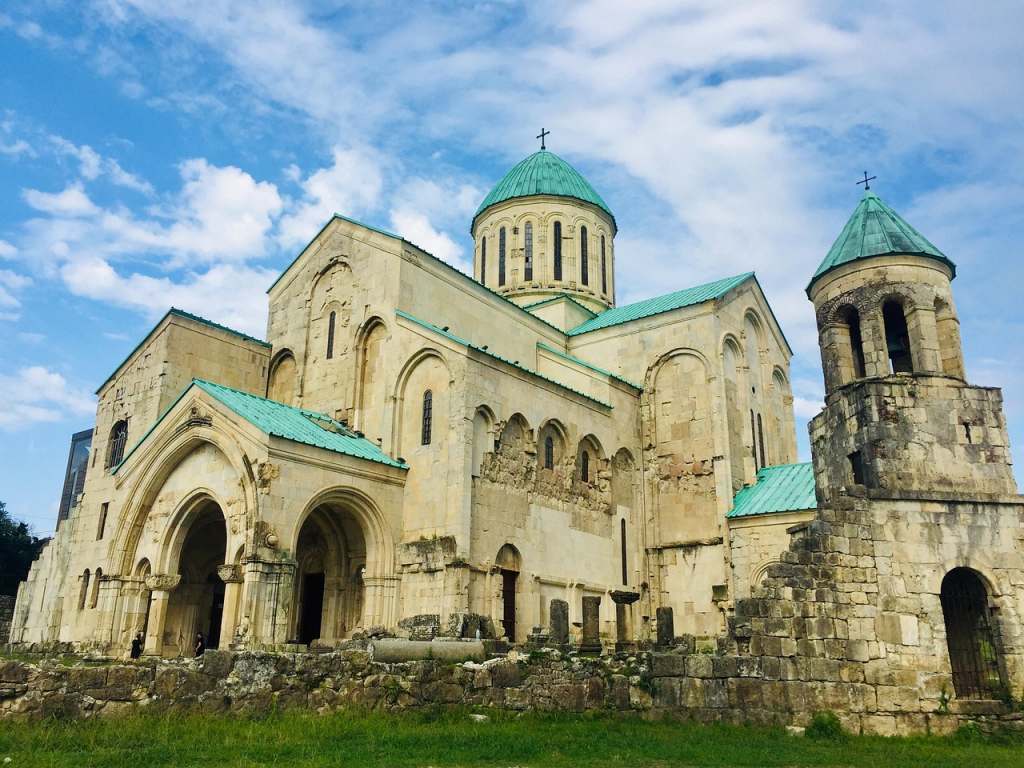
- Bagrati Cathedral: An 11th-century cathedral perched on a hill, offering sweeping views of the city and the Rioni River below. It’s considered a masterpiece of medieval Georgian architecture.
- Colchis Fountain: Located in the city center, this striking fountain features enlarged replicas of archaeological artifacts found across Western Georgia, paying tribute to the ancient Colchian civilization.
- White Bridge: A pedestrian bridge over the Rioni River, popular for sunset views. A small metal figure of a boy with two hats sits on the railing — a beloved local symbol.
- Green Bazaar: Kutaisi’s bustling market is the best place to experience local life. Pick up fresh churchkhela (a traditional walnut-and-grape candy), aromatic spices, and local honey.
- Soviet-era Cable Car: A nostalgic ride that takes you up to an amusement park with panoramic city views. The cable car itself is a piece of history.
Unmissable Day Trips from Kutaisi
Kutaisi serves as the perfect base for exploring some of Georgia’s most dramatic natural wonders:
- Prometheus Cave: One of the largest caves in Georgia, located about 20 kilometers from the city. Inside, you’ll find stunning stalactites, stalagmites, underground rivers, and atmospheric lighting. Boat rides through the cave are available.
- Martvili Canyon: A breathtaking gorge where you can take a boat ride through turquoise waters surrounded by lush, moss-covered cliffs.
- Okatse Canyon: Features a dramatic suspended walkway over a deep gorge — not for the faint-hearted, but the views are extraordinary.
- Gelati Monastery: A UNESCO World Heritage Site founded by King David IV in the 12th century. The monastery’s frescoes are remarkably well-preserved and the complex played a significant role during Georgia’s Golden Age.
- Sataplia Nature Reserve: Home to dinosaur footprints preserved in stone and a glass-floored observation deck offering panoramic mountain views.
These attractions are spread across the region and not easily accessible by public transport. Renting a car is strongly recommended for making the most of your time. A car rental in Kutaisi gives you the freedom to visit multiple sites in a single day and explore the scenic countryside roads that connect them.
Practical Travel Tips for Georgia
Getting Around
Georgia’s intercity transport includes trains, minibuses (marshrutkas), and domestic flights. However, for travelers who want flexibility — especially for reaching monasteries, canyons, and mountain regions — renting a car is by far the best option. Roads between major cities are generally well-maintained, and driving in Georgia gives you access to routes and viewpoints that public transport simply cannot reach.
Best Time to Visit
- Spring (April–June): Pleasant temperatures, blooming landscapes, and fewer crowds.
- Summer (July–August): Warm and ideal for mountain trekking, though popular areas can be busy.
- Autumn (September–October): Arguably the best time, with mild weather, harvest season in wine regions, and golden foliage.
- Winter (November–March): Cold but magical, with ski resorts like Gudauri and Bakuriani in full swing.
Money-Saving Tips
- Eat at local restaurants (sakhlis sadili — home-style restaurants) for authentic food at very low prices.
- Use the Bolt app for affordable taxis within cities.
- Buy wine directly from family-owned cellars in Kakheti for a fraction of shop prices.
- Book accommodations in guesthouses for a more authentic and affordable experience.
Language
Georgian is the official language, and the unique Georgian alphabet adds to the country’s charm. English is increasingly spoken in tourist areas, especially by younger Georgians. Learning a few basic phrases like gamarjoba (hello) and madloba (thank you) will earn you warm smiles everywhere you go.
Final Thoughts
Georgia is a destination that rewards the curious traveler. Tbilisi dazzles with its eclectic mix of ancient and modern, while Kutaisi offers a quieter, deeper connection to Georgian history and nature. Together, these two cities provide the perfect introduction to a country that is full of surprises.
The best way to experience everything Georgia has to offer — from sulfur baths and medieval churches to underground caves and dramatic canyons — is with the freedom to explore on your own terms. Whether you’re starting your journey in Tbilisi or flying into Kutaisi’s international airport, having a rental car transforms a good trip into an unforgettable adventure.
