


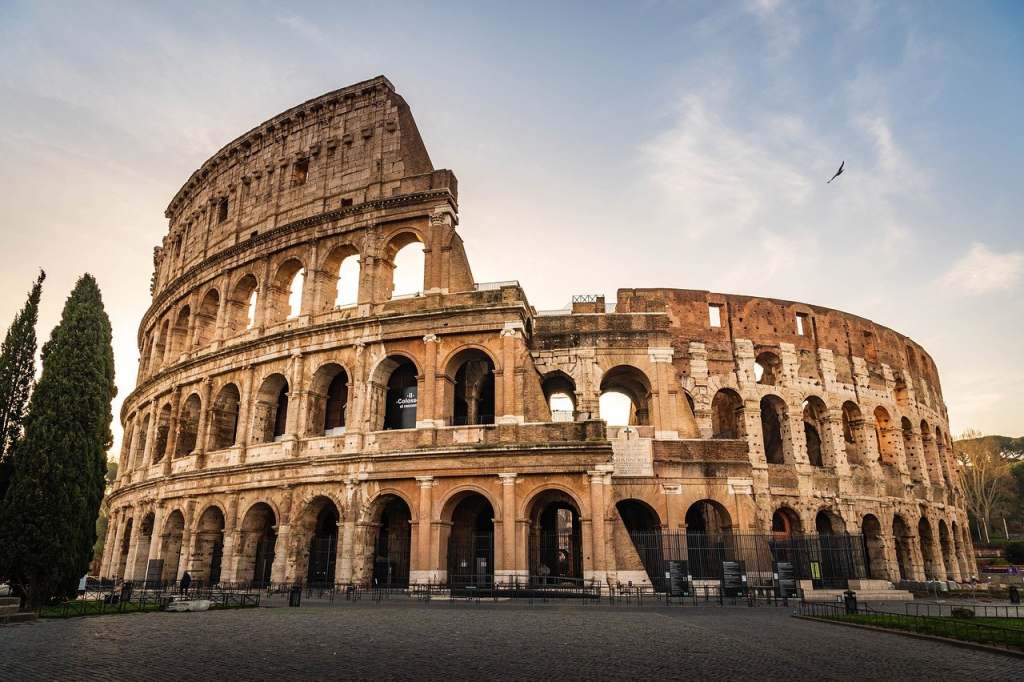
People often say Rome is overwhelming. I used to smile politely when I heard that — until I watched friends try to squeeze the city into a couple of frantic days and leave more tired than inspired.
Rome can be overwhelming. Not because there’s too much to see, but because everything seems to demand attention at the same time. Layers of history, noise, beauty, crowds. For travellers over 40, the real challenge isn’t stamina as much as how to absorb the city without turning each day into a small test of endurance.
At some point — usually after a few trips and more than a few sore feet — something shifts. You stop trying to “do Rome” and start letting it happen. Slowing down feels less like a limitation and more like a quiet strategy. Oddly enough, that’s when Rome begins to make sense.
Walking Rome with intention (and fewer kilometers)
Everyone says Rome should be walked. Fewer people explain how.
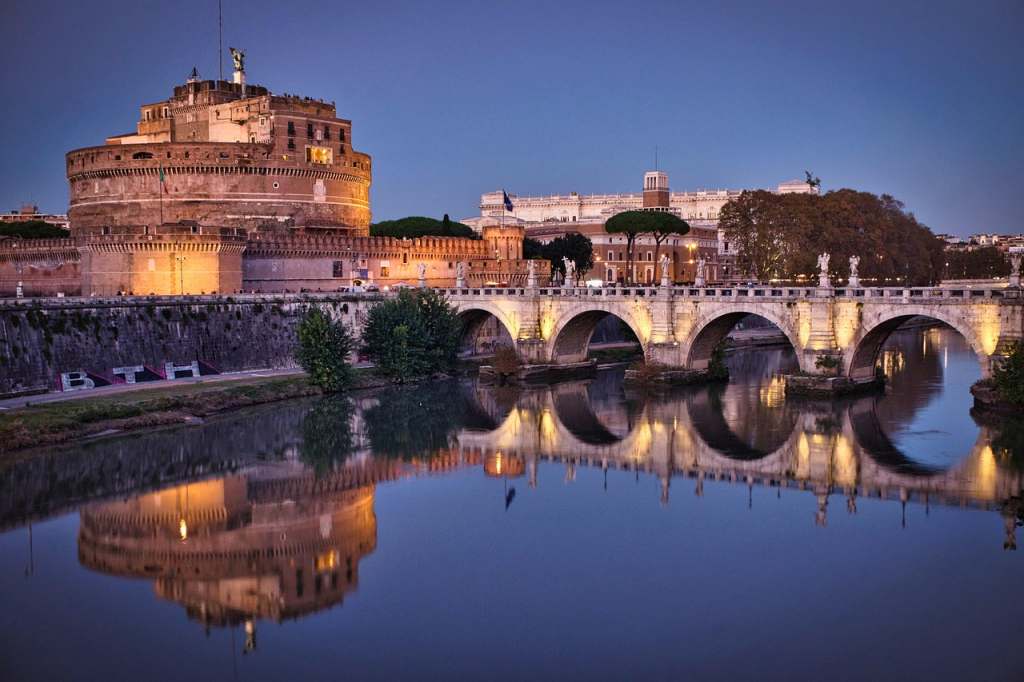
One of my favourite stretches begins near Castel Sant’Angelo. Early in the morning, or just before sunset, the Tiber runs alongside you and the view gradually opens toward St. Peter’s dome. It’s not dramatic in a postcard way. It’s calmer than that. You notice reflections on the water, the rhythm of footsteps, the way the city seems to soften when you stop rushing through it.
Right next to the castle sits Villa Mola Adriana. Most people pass it without noticing. There’s no monument shouting for attention, no must-see label. Just shade, benches, ancient walls in the background. Sometimes that’s exactly what Rome needs to feel human again.
Then there’s the Appian Way. The first time I walked there, I remember thinking it didn’t feel like Rome at all. Basalt stones underfoot, aqueduct fragments in the distance, open fields where traffic should be. Walking — or cycling slowly — along Via Appia Antica is one of the few moments when movement feels restorative rather than demanding.
Over time, I’ve noticed that well-designed walking tours of Rome work best when they feel less like guided performances and more like conversations that unfold street by street.
After a while, you stop caring about routes that look good on paper and start caring about how they feel.
From the Pincio downward: letting the city decide the pace
Some itineraries work better when you let gravity do the planning.
Starting from the Pincian Hill is one of them. The view over Piazza del Popolo is elegant, almost restrained. It’s a place Romans cross more than they linger — which already tells you something.
From there, Via del Corso unfolds naturally. No rush. Window displays, side streets, everyday movement. It’s a street that rewards observation more than purpose.
At this point, the city gives you options. And honestly, both work.
Some days, Piazza di Spagna makes sense — slipping into quieter streets lined with boutiques, old bookshops, and artisan stores. Other days, it doesn’t. The alternative leads toward Piazza Venezia, where scale shifts dramatically and the Imperial Forums begin to dominate the walk.
Just above the Colosseum, Villa Celimontana appears almost by accident. Shaded, understated, oddly peaceful considering what surrounds it. It’s one of those places you don’t plan for, but end up grateful to find.
Markets, food, and the pause you didn’t plan
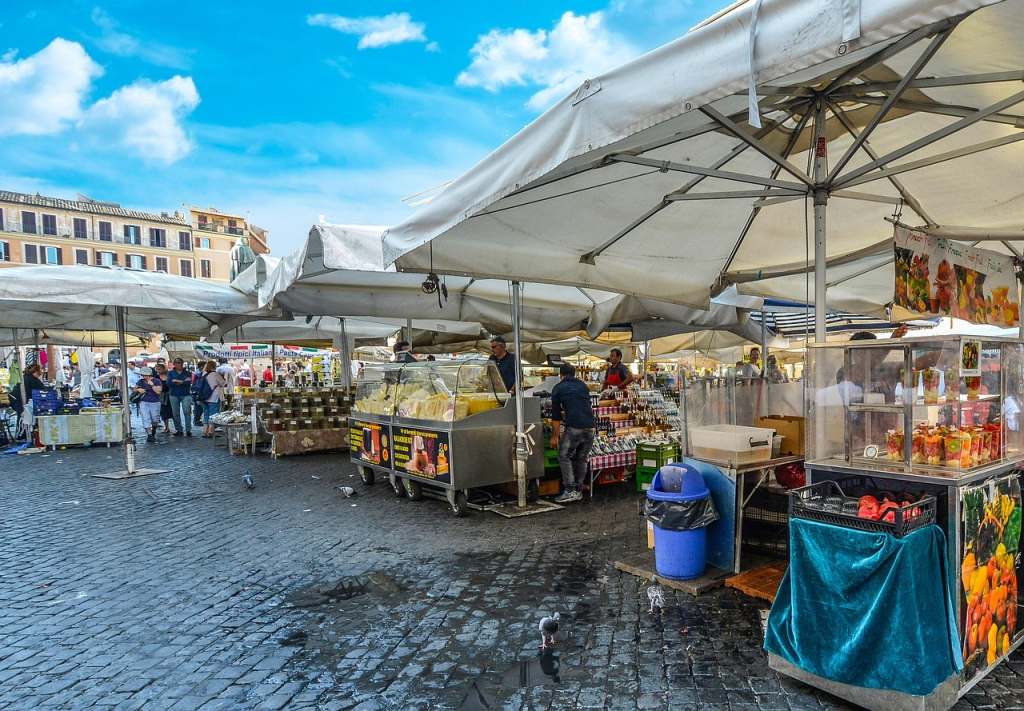

Morning at Campo de’ Fiori Market still feels alive in a way that hasn’t been fully polished away. Vendors calling out prices, locals debating tomatoes, tourists trying not to look lost. Tasting happens naturally — a slice of cheese here, a spoon of sauce there. You don’t need a plan. Curiosity does the work.
From Campo de’ Fiori, the walk toward Trastevere tightens almost without warning. Streets narrow. Shops feel older. Squares feel lived in. Lunch happens because you’re hungry, not because it’s noon.
A small trattoria. A table that wobbles slightly. Service that doesn’t rush you.
That’s Rome, too.
The historic center and its quieter rituals
Piazza Navona looks elegant, theatrical. But once you know it was built over Domitian’s Stadium, the space reads differently. The shape makes sense. The openness breathes differently.
The Pantheon doesn’t reward rushing. I learned that the hard way. The first time I walked in, I thought I’d stay a few minutes. I didn’t. Sitting inside, watching light move across stone, feels oddly appropriate — like the building expects patience.
A short walk away, Sant’Eustachio offers one of those daily rituals Romans don’t talk much about. Coffee here isn’t dramatic. Pistachio cream or classic espresso, it doesn’t matter. What matters is the pause it forces you to take.
Stepping just outside the city, without escaping it
Castel Gandolfo is close enough to feel connected, but distant enough to reset the pace. Lake Albano stretches below, the town stays compact, and time feels less urgent. A meal on a terrace overlooking the water does more than any checklist ever could.
Moments like this work best when logistics fade into the background. Fewer schedules. Less problem-solving. More presence.
Finding balance: freedom, with support when it helps
I’ve learned that the sweet spot often lies somewhere in between.
Walking freely keeps things spontaneous. At the same time, selective local support — a knowledgeable guide here, a private transfer there — makes the city feel manageable rather than exhausting. It’s not about control. It’s about conserving attention for what actually matters.
This balance between independence and local insight is something I’ve explored over the years through my work with RomeLimosTours.com, not as a formula, but as an evolving way to help travelers experience Rome without friction.
Luxury isn’t really the point. Comfort is. And there’s a difference.
Rome reveals itself slowly
Rome has a way of ignoring people in a hurry.
Its character appears gradually — in markets, viewpoints, half-forgotten parks, ancient stones worn smooth by centuries of footsteps. Travelling slowly isn’t a compromise. It’s an advantage.
After 40, that realization tends to arrive naturally.
Because in Rome, the real question isn’t how much you manage to see — but how deeply you allow the city to stay with you.