


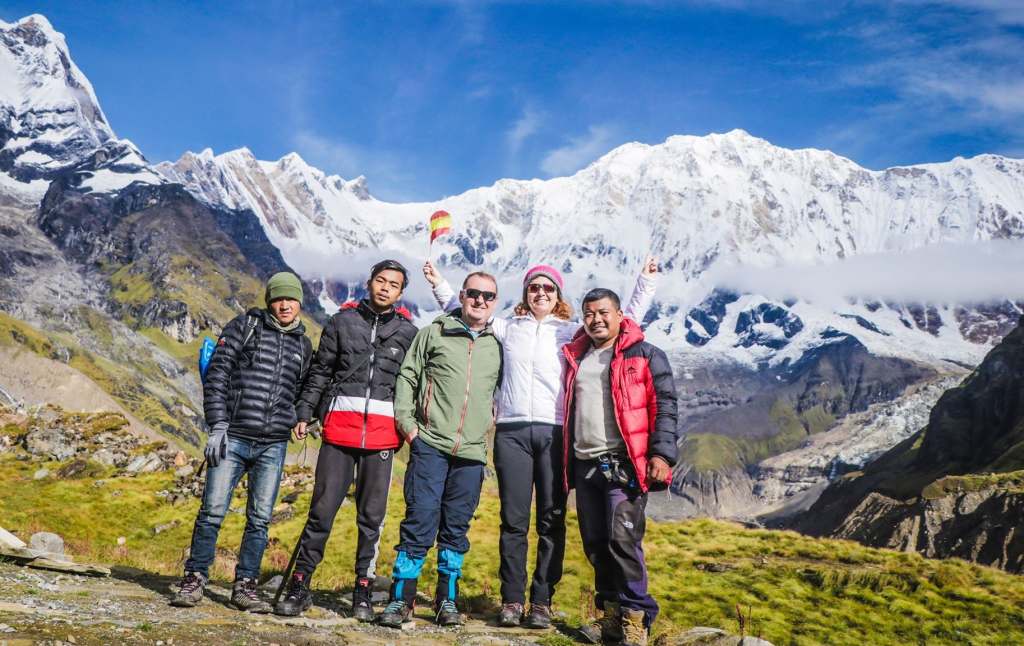
Let’s be honest about the myth that the Himalayas are only for the young and the tireless. The media loves those shots of twenty-somethings sprinting up ridges, treating the world’s highest peaks like a personal gym for physical bragging rights. But if you’ve crossed the forty-year mark, you start to realize the mountains offer a much deeper reward. By this stage of life, the ego-driven “need for speed” has mostly evaporated, replaced by a genuine hunger for perspective. We finally understand that a place as massive as the Annapurna Massif isn’t a racetrack to be conquered. It’s a sanctuary to be absorbed, slowly and intentionally.
The Annapurna Base Camp trek, nestled within the heart of Nepal and widely known as the ABC trek, is perhaps the finest example of a journey that rewards the patient soul. It is a walk into a natural sanctuary, a 360 degree amphitheater of ice and rock that has inspired pilgrims for centuries. For those of us who value responsible and imaginative travel, the slow trek is not just a physical pace. Rather than viewing the mountains as a race to be won, a close look at the ABC trek details reveals a journey that is much more manageable and enjoyable when taken at a deliberate, mature pace. This extended ten day timeframe is ideal for those new to high altitude adventures. It provides the necessary buffer to acclimate properly while fully immersing yourself in the local lifestyle and traditions.
The Logic of the Slow Ascent
Physiologically, the mature traveler has a secret weapon. That weapon is patience. High altitude trekking is less about aerobic capacity and more about the body’s ability to adapt to thinning air. By choosing a 10 day itinerary to the sanctuary, you give your respiratory and circulatory systems the time they need to adjust. This significantly reduces the risk of altitude related discomfort. It ensures that your memories of the trek are of the towering peaks rather than a nagging headache.
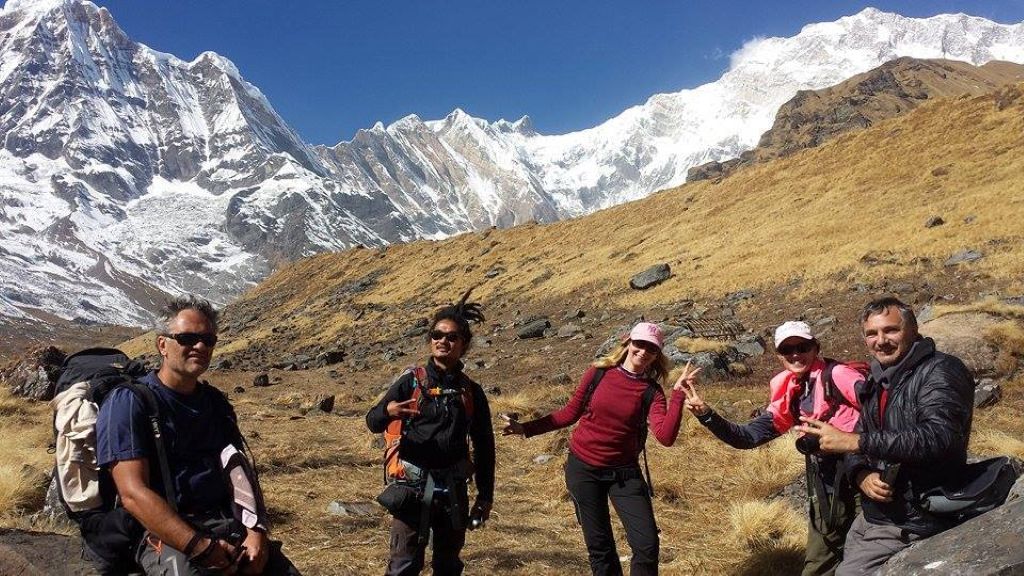

Beyond the physical benefits, a slower pace opens your eyes to the intricate beauty of the Annapurna Conservation Area. When you are not staring at your boots while trying to beat a personal record, you notice the subtle transition from subtropical sub-valleys to alpine meadows. You see the vibrant blood red of the rhododendron forests. You catch glimpses of the elusive langur monkeys swinging through the canopy. You have the time to stop at a wayside chorten or spin a prayer wheel. You can actually engage with the local Gurung people whose heritage is woven into every stone step of the trail.
Preparation: Building Your Mountain Foundation
For a forty-plus traveler, preparation is less about boot camp and more about functional longevity. You do not need to be a marathon runner, but you do need stair stamina to handle the signature stone staircases of the region.
The Legwork: The Annapurna trails are famous for their stone stairs. Spend three months prior to your trip walking on undulating terrain. Focus on eccentric strength, which are the muscles that control your descent. The walk down from the base camp is often harder on the knees than the walk up.
The Gear Philosophy: At this age, we value quality over quantity. Invest in a pair of high end trekking boots with excellent ankle support. Spend at least 50 kilometers breaking them in. Additionally, a pair of lightweight and collapsible trekking poles is non-negotiable. They reduce the impact on your joints by up to 25 percent.
The Pack: Travel independently but travel light. If you are not using a porter, keep your pack weight under 10kg. Focus on layers like merino wool. It is excellent for its moisture wicking and odor resistant properties.

Expectations: Life in the Teahouse
One of the most imaginative aspects of trekking in Nepal is the teahouse culture. For the mature traveler, this is a welcome departure from the roughing it style of camping. Teahouses are family run mountain lodges that offer a surprising level of comfort considering their remote location.
Expect a private room and a communal dining hall heated by a central pot-bellied stove. The food is a highlight. While menus offer Western favorites like pizzas and spaghetti, the traditional Dal Bhat, Gundruk, and Dhindo are the ultimate mountain fuels. These local delicacies provide the sustained energy needed for the climb.
Sustainability and Responsibility
Traveling responsibly is a core tenet for any independent traveler today. The Annapurna region is a delicate ecosystem. As visitors, we have a duty to minimize our footprint. This means using water purification tablets or UV filters instead of buying plastic bottles. By choosing to trek slowly and stay longer in villages like Ghandruk or Chhomrong, you ensure that your travel spend filters directly into the local economy. This supports schools and environmental initiatives through the Annapurna Conservation Area Project.
The Mental Reset
The real kicker of the ABC trek isn’t the physical fitness; it is the mental reset. By the time you hit your forties, your brain is usually a cluttered mess of deadlines, family logistics, and endless digital noise. The sanctuary shuts all of that up. As you push deeper into the high valleys, those loud “to-do” lists from back home just start to evaporate. They get drowned out by the steady, hypnotic rhythm of your own breathing and the repetitive click-clack of your poles against the stone. It is a rare kind of silence that you just can’t find in the city.
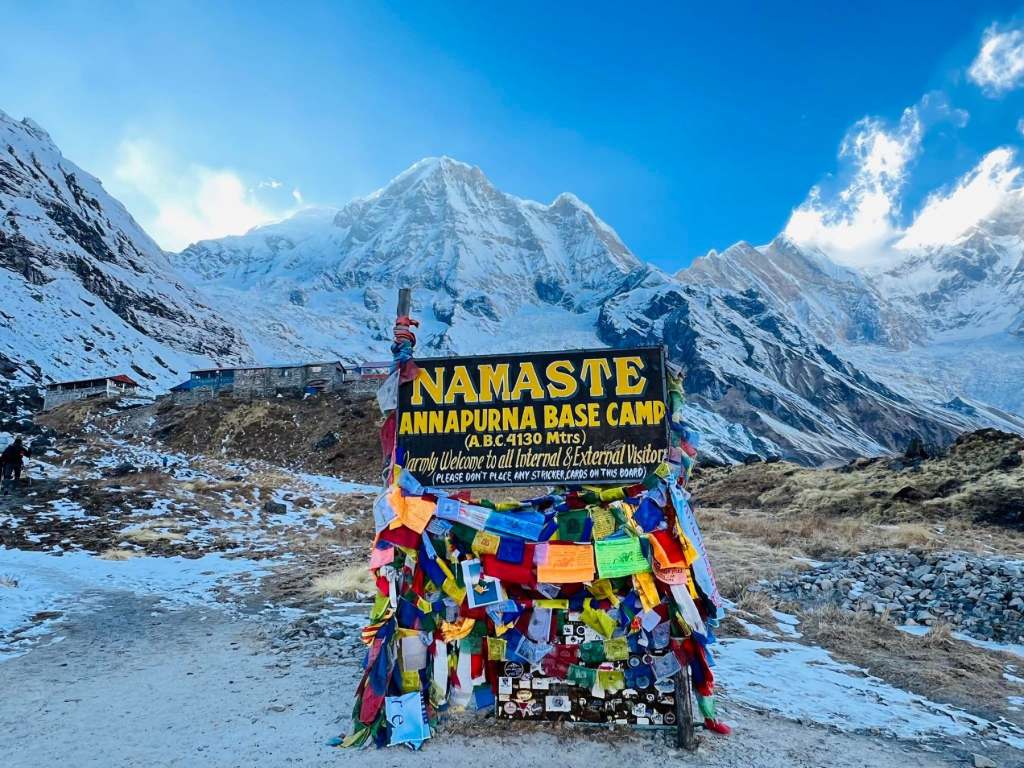
While many beginners immediately look toward an Everest region trekking for the name recognition alone, there is something uniquely intimate about the Annapurna Sanctuary. It offers a sense of enclosure and protection that the wide-open vistas of EBC trek sometimes lack. Reaching the Base Camp at 4,130 meters is a profound moment. Surrounded by peaks like Annapurna I, Machapuchare, and Dhaulagiri, you realize that it was never about the destination. The dream was the walk itself. It was the natural hot springs at Jhinu Danda, the misty mornings in the forest, and the realization that your body is capable of extraordinary things when treated with respect.