


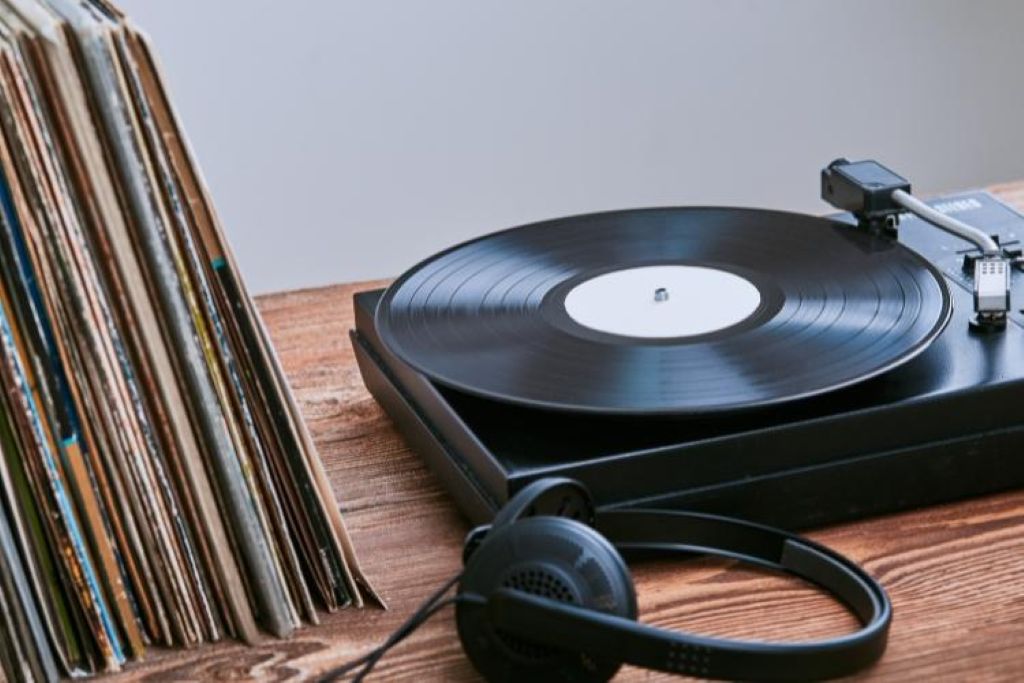
For many music lovers, vinyl records are more than entertainment. They are carefully curated collections, travel companions, and tangible pieces of personal history. Whether you’re relocating, crate-digging in another city, heading to a record fair, or simply bringing a few favorite albums to a vacation rental with a turntable, traveling with vinyl requires thoughtful preparation.
Records are durable in some ways, but they are also vulnerable to heat, pressure, and careless handling. A slight warp or corner bend can affect both sound quality and long-term value. This guide outlines practical, field-tested strategies for packing and caring for vinyl records while traveling, helping you protect your collection wherever the journey takes you.
Understand the Risks Before You Pack
Before placing records in a suitcase or car trunk, it helps to understand what causes damage.
Heat is one of the biggest threats. Vinyl softens at relatively low temperatures, so leaving records in a hot car or in direct sunlight can result in warping.
Pressure is another concern. Records stacked horizontally under weight may develop ring wear, bent corners, or seam splits.
Finally, friction between the vinyl and its inner sleeve can create scuffs if the records are not secured properly.
Recognizing these risks allows you to pack proactively. The goal is to minimize heat exposure, distribute weight evenly, and prevent unnecessary movement during transit.
How to Pack and Protect Your Collection on the Go
Choose the Right Travel Case or Storage Method
The way you transport your records depends on how many you’re bringing and how far you’re traveling.
For short trips with a small selection, a sturdy carry-on suitcase or padded tote can work. The key is to keep records upright, like books on a shelf. Never stack them flat. Vertical storage distributes weight more evenly and reduces stress on the vinyl.
If you’re transporting a larger number of records, consider a hard-shell flight case designed for LPs. These cases provide structural support and cushioning, protecting both sleeves and discs from impact.
For air travel, it’s often safer to carry records on board rather than checking them. Checked luggage is subject to shifting cargo and temperature changes. Keeping your records in the cabin reduces the risk of heat exposure and rough handling.
Prepare Records Properly Before Packing
Packing isn’t just about the outer container. The condition of each record matters.
Start by removing the vinyl disc from its outer sleeve and placing it in a separate protective inner sleeve behind the jacket. This prevents seam splits, which often occur when the record shifts inside the sleeve during travel.
Use high-quality inner sleeves to reduce friction and static. Outer protective sleeves add another layer of defense against scuffs and moisture.
Collectors who pay attention to grading standards and archival storage often follow best practices outlined by specialists such as Evergreen Vinyl. Thoughtful preparation at home mirrors the care used by professional curators and sellers who prioritize condition, proper storage, and handling.
Protect Against Heat and Environmental Changes
Temperature control is essential when traveling with vinyl.
Avoid leaving records in parked vehicles, especially during warm weather. Even a short stop can expose them to damaging heat. If road-tripping, bring records inside with you during overnight stays.
If you’re flying to a destination with extreme temperatures, allow records to acclimate gradually once you arrive. Sudden shifts from cold to warm environments can cause slight warping or condensation buildup.
Humidity is another factor to monitor. While brief exposure won’t typically cause permanent damage, storing records in damp conditions can lead to sleeve deterioration over time. Keep records in dry, climate-stable spaces whenever possible.
Organize and Secure Records During Transit
Movement during travel can lead to edge wear and corner dings. Once records are packed vertically, use padding to prevent them from shifting.
Soft clothing, foam inserts, or bubble wrap placed around the sides of a case can help stabilize the stack. The idea is to eliminate empty space without compressing the records tightly.
If you’re shipping records home after buying them on a trip, use sturdy record mailers with corner protection. Place cardboard pads on both sides of the vinyl and secure the package snugly so it cannot slide around inside the box.
For collectors who regularly buy records while traveling, sourcing from reputable sellers can also reduce risk. Established curators such as https://evergreenvinyl.com provide carefully graded records and protective packaging guidance. Knowing how records should be handled makes it easier to evaluate purchases made abroad.
Traveling With Turntables and Accessories
If your trip involves bringing audio equipment along, the same principles apply: stability and protection.
Remove the platter, secure the tonearm with its lock, and pack the dust cover separately with padding. Wrap cables neatly to avoid strain on connectors. Whenever possible, use original packaging or a case specifically designed for turntables.
Smaller accessories, such as stylus brushes, record-cleaning cloths, and anti-static sleeves, can be packed in a dedicated pouch. Keeping maintenance tools accessible ensures you can clean records before playing them, especially if they’ve traveled through dusty environments.
Maintaining Your Collection After Arrival
Once you reach your destination, unpack records promptly. Store them upright in a cool, dry space away from direct sunlight.
Before playing a record that has traveled, give it a quick cleaning to remove dust or debris collected during transit. This protects both the vinyl and your stylus.
If you’ve purchased new additions during your trip, consider re-sleeving them in archival-quality inner and outer sleeves. Maintaining consistent storage standards across your collection extends the life of each record.
Conclusion
Traveling with vinyl records requires more attention than tossing a playlist onto your phone, but the rewards are tangible. With careful packing, temperature awareness, and proper handling, you can protect your collection while enjoying music wherever you go.
Keep records upright, shield them from heat, minimize movement during transit, and use quality sleeves and cases. Plan ahead if you expect to buy vinyl while traveling, and inspect purchases carefully before bringing them home.
By treating your records with the same care on the road as you would at home, you can preserve both sound quality and long-term value. Thoughtful preparation ensures that your collection remains ready for the next listening session, no matter where your travels take you.