The gap between expectation and reality
Most people arrive in Sri Lanka carrying two things at once: excitement and a quiet uncertainty.
They’ve seen the photographs. Tea-covered hills rolling into mist. Golden beaches stretching empty at sunset. Elephants crossing dusty tracks. Colonial-era villas framed by palms. The imagery is vivid, almost cinematic. And yet, beneath the anticipation sits a question that’s harder to answer: what will it actually feel like, day to day?
Travellers planning holidays in Sri Lanka often find reassurance in working with specialists such as Experience Travel Group, whose thoughtfully designed itineraries help shape that first encounter with clarity and balance. Not because Sri Lanka is chaotic or intimidating — it isn’t — but because it’s layered. And understanding its rhythm makes all the difference.
Sri Lanka rarely overwhelms in the way some destinations do. But it unfolds in shifts — of pace, of landscape, of atmosphere. And those shifts are part of its charm.
The pace: slower than you think — and sometimes that’s the point
One of the first adjustments many travellers make is to timing.
Distances on a map can look modest. The island is, after all, compact. Yet road journeys often take longer than expected. Traffic moves at its own rhythm. Roads wind through villages, past roadside stalls and grazing cattle. Drivers pause. Life happens along the route.
At first, this can feel inefficient. Then, gradually, it begins to feel immersive.
The drive becomes part of the experience rather than an obstacle between points of interest. You notice small temples by the roadside. Children in school uniform cycling home. Sudden glimpses of mountains rising in the distance.
There’s also contrast. Colombo hums with energy — traffic, markets, urban momentum. A few hours later, you may find yourself in tea country where the air is cooler and conversations slow. That transition is rarely abrupt, but it is noticeable.
The first mindset shift often happens here. Slower does not mean lesser. It means layered.
The warmth: hospitality that feels personal
Sri Lankan hospitality is frequently described as warm, and while that word can feel overused, here it carries weight.
Welcomes tend to feel genuine rather than rehearsed. Hosts remember names. Guides share stories. Conversations extend beyond logistics into curiosity — about where you’re from, what you’ve seen so far, what surprised you.
Accommodation, too, often leans towards intimacy rather than grandeur. Boutique heritage hotels, small lodges and family-run guesthouses dominate much of the landscape. Even larger properties tend to feel connected to place rather than detached from it.
Small gestures linger. A cup of tea offered without fuss. A staff member pointing out the best time to walk through a garden. A quiet check-in to ensure you’re comfortable.
None of it is theatrical. It simply feels human.
Scenery shifts: compact geography, surprising variety
Sri Lanka’s geography works in the traveller’s favour — but it still surprises.
The Cultural Triangle in the north-central region feels dry and expansive, with ancient reservoirs and archaeological sites rising from flat terrain. A few hours south, the hill country shifts the atmosphere entirely. Tea estates carpet slopes in green. The air cools. Morning mist hangs longer.
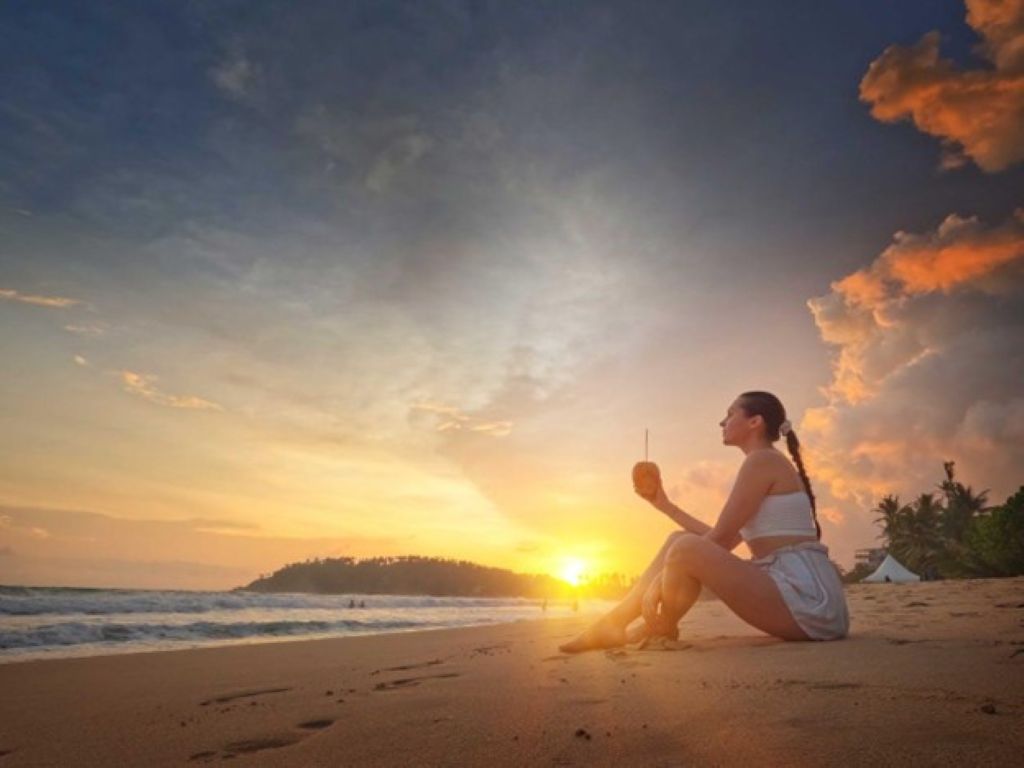
National parks introduce another tone — scrubland, waterholes, dense forest. Coastal regions bring palm-lined beaches and sea breezes. On the east coast, light feels sharper. On the south, sunsets seem softer.
These transitions can happen within a single day’s travel. That variety is part of what makes holidays in Sri Lanka feel rich. But it also requires thoughtful pacing. Moving too quickly can blur the distinctions.
Staying long enough in each environment allows it to settle.
Wildlife encounters: intimate, sometimes unpredictable
For many first-time visitors, wildlife is a highlight.
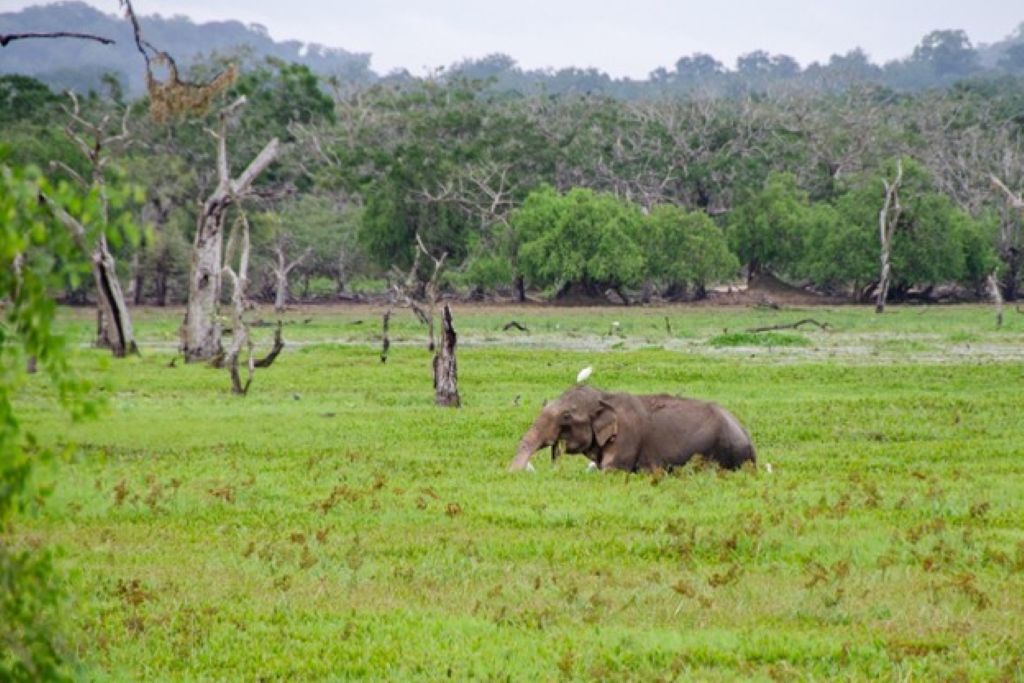
Sri Lanka offers leopards, elephants, sloth bears, crocodiles, extraordinary birdlife — and in season, blue whales off the coast. The scale of parks differs from African safaris; landscapes are often denser, sightings sometimes closer, but also more dependent on patience.
Early starts are common. Morning light brings activity. Drives can be quiet for stretches, punctuated by sudden movement.
It’s worth adjusting expectations here. Not every safari guarantees spectacle. Wildlife follows its own rhythm. The reward is often in the subtlety — a herd moving cautiously at dawn, a leopard resting in partial shade rather than performing for cameras.
That unpredictability adds authenticity. And when moments do align — when animal, light and timing converge — they feel earned.
Cultural etiquette: subtle but important
Sri Lanka’s cultural norms are easy to navigate with attentiveness.
At temples, modest dress is expected. Shoulders and knees covered. Shoes removed before entering certain areas. These gestures aren’t formalities; they’re signs of respect.
Photography is generally welcomed, but awareness matters. Not turning your back to sacred statues for selfies. Asking before photographing individuals.
English is widely spoken, particularly in hospitality and tourism settings, which reduces friction. Yet simple courtesy — a smile, a few local phrases — carries meaning.
None of this feels restrictive. It feels connective.
Food and flavour: spice, variety and flexibility
Sri Lankan cuisine often surprises first-time visitors, and usually in the best way.
Rice and curry form the foundation — but “curry” here means a variety of small dishes, each with distinct flavour and texture. Coconut, lime, cinnamon, chilli, pandan. Fish curries along the coast. Jackfruit and dhal inland.
Spice levels can almost always be adjusted. Dishes carry warmth rather than overwhelming heat, though regional variation exists.
Street food sits comfortably alongside curated dining experiences. Hopper stalls at breakfast. Fresh seafood by the sea. Tea and short eats in hill country bungalows.
For many travellers, food becomes one of the most vivid memories — not just for taste, but for setting.
Accommodation style: comfort with character
Accommodation in Sri Lanka tends to prioritise atmosphere over scale.
Boutique heritage properties occupy former colonial buildings. Jungle lodges blend into surrounding forest. Tea bungalows sit quietly above rolling estates. Beach retreats focus on openness and breeze.
Comfort is present, but often understated. The luxury lies in setting and service rather than extravagance.
This suits travellers seeking connection to place rather than formality. Rooms open onto gardens. Verandas encourage lingering. Evenings feel unhurried.
It’s less about grandeur, more about mood.
Emotional rhythm: intensity balanced with calm
Sri Lanka moves in waves.
Markets buzz with colour and sound. Temples echo with bells and incense. Traffic builds and dissipates. Then, unexpectedly, you find yourself somewhere quiet — a tea terrace at dusk, a stretch of empty beach, a hillside viewpoint with only wind for company.
Alternating these experiences prevents fatigue. It also shapes memory. Intensity feels vivid because it’s balanced by stillness.
Many first-time visitors underestimate how restorative Sri Lanka can be. They anticipate activity. They leave remembering calm.
Some days feel full. Others feel slower than expected. Both belong.
Common first-time concerns — and what tends to happen instead
Before departure, certain questions surface repeatedly.
Is it safe? Generally, yes — with the same common-sense awareness you’d apply elsewhere. Is infrastructure reliable? Increasingly so, particularly on well-planned routes. Will language be a barrier? Rarely in tourism contexts. Are health concerns manageable? With sensible preparation, typically yes.
Preparation smooths edges. Good planning reduces friction. And once on the ground, many travellers remark on how manageable everything feels.
Uncertainty tends to dissolve into familiarity faster than expected.
What travellers often say afterwards
Looking back, first-time visitors often express a similar sentiment: it felt easier than imagined.
Not easier in the sense of bland or predictable, but navigable. Balanced. Deep without being overwhelming.
They speak of wanting to return — to explore a different coast, another national park, more time in the hills. They describe Sri Lanka as exceeding expectations quietly, rather than dramatically.
It isn’t always a place of grand spectacle. It’s a place of accumulation — small impressions layered over days.
Arriving curious, leaving changed
Sri Lanka rewards openness.
It may not unfold exactly as imagined — journeys rarely do — but it meets travellers with warmth, variety and subtle depth. The rhythm becomes familiar. The layers reveal themselves.
First-time trips often begin with uncertainty. In Sri Lanka, they tend to end with clarity — and the quiet sense that you’ve only just begun to understand it.
