


Malta in spring offers a completely different experience compared to the busy summer months, when wildflowers carpet the fields and clifftops, temperatures remain comfortable in the low twenties, and you can explore historic sites without the dense crowds that arrive in July and August. Most visitors come to Malta for beach holidays in summer, but between March and May you’ll see the islands at their greenest and most beautiful, when the countryside comes alive and the focus shifts naturally to landscapes, history and rural areas rather than swimming and sunbathing.
Four days gives you enough time to explore both Malta and Gozo without feeling rushed, covering the main historic cities, ancient temples and dramatic coastlines that make these islands worth visiting. This itinerary is designed around what makes Malta special in spring, when the weather is ideal for walking and the landscapes are at their most scenic.
Day 1: Valletta
Valletta is one of Europe’s smallest capital cities and the entire walled city is a UNESCO World Heritage Site, built by the Knights of St. John in the 1560s following the Great Siege of Malta. Spring weather makes it perfect for spending a full day exploring on foot, wandering the narrow streets and visiting the historic sites without the intense heat that can make summer sightseeing exhausting.
Most visitors stay in areas like Sliema or St. Julian’s and take the bus into Valletta, as buses run frequently and drop you right at the main terminus just outside the city walls. From there you simply walk through City Gate and you’re immediately in the historic centre, although if you’re staying in Valletta itself you can start exploring directly from your accommodation.
Begin at the Triton Fountain just outside the city walls, then pass through City Gate which was redesigned by architect Renzo Piano. Once inside, Valletta reveals itself as a grid of narrow streets lined with limestone buildings, their wooden balconies jutting out over the sidewalks, and baroque churches appearing on nearly every corner.
Your first stop should be St. John’s Co-Cathedral, one of Malta’s most impressive baroque buildings. From the outside it appears quite plain and fortress-like, but the interior is overwhelming in its decoration, with every surface covered in intricate carvings, gilding and elaborate marble floor work. The cathedral houses Caravaggio’s painting “The Beheading of Saint John the Baptist,” which is considered one of his masterpieces, and entry costs around €15 including an audio guide. It’s worth arriving early as the cathedral becomes quite crowded later in the morning.
After visiting the cathedral, spend time wandering through Valletta’s streets, as the city is small enough that you won’t get lost and every street offers something interesting to see. The characteristic wooden balconies, quiet side alleys and grand palazzos with their ornate doorways create a feeling of having stepped back several centuries in time.
For lunch you’ll find plenty of options throughout Valletta. If you want something quick and authentically local, look for a bakery selling pastizzi, which are flaky pastries filled with either ricotta or mushy peas that cost less than a euro each and can be found everywhere across Malta. For a proper sit-down meal, Valletta has everything from traditional Maltese restaurants to Italian cuisine and various international options.
In the afternoon, make your way to the Upper Barrakka Gardens, which sit on a bastion overlooking the Grand Harbour and offer panoramic views across to the Three Cities on the opposite shore. If you time your visit for noon you can watch the Saluting Battery cannon firing, which is a tradition dating back centuries when the cannon would signal to ships arriving in the harbor, although note that the ceremony also takes place at 4pm if you miss the midday firing.
From the Upper Barrakka Gardens, walk down to the waterfront where water taxis run regularly across the harbour. These small boats are well worth taking just for the experience, as the crossing only takes a few minutes but gives you a completely different perspective on Valletta from the water, allowing you to see the impressive fortifications and historic buildings lining the harbour while appreciating just how naturally protected this port really is.
Fort St. Elmo stands at the tip of the Valletta peninsula and now houses the National War Museum, having played a crucial role during the Great Siege of 1565 and again in World War II when Malta came under intense bombardment. The museum displays artifacts from Malta’s military history throughout the centuries, including the George Cross that was awarded to the entire island in 1942 in recognition of the bravery shown during the war, and entry costs €14 for adults.
If World War II history particularly interests you, the Lascaris War Rooms lie beneath the Upper Barrakka Gardens and can be visited on guided tours. These underground tunnels served as the British command centre during the war and later as NATO headquarters, and touring them takes you through the rooms where strategic decisions were made during some of the most critical moments of the Mediterranean campaign.
For dinner, stay in Valletta where you’ll find numerous restaurants, many with outdoor seating in spring where you can enjoy the pleasant evening temperatures. After eating, take time to walk through the streets when they’re illuminated at night and much quieter than during the daytime, which gives a different atmosphere to the city.
Day 2: Mdina, Rabat, and Dingli Cliffs
The second day takes you inland to explore Malta’s medieval past and the dramatic cliffs along the western coastline. Mdina, Rabat and Dingli are located close together in central Malta, which makes them easy to combine in a single day’s visiting.
Buses run regularly from Valletta or Sliema to Mdina, with the journey taking around 30-40 minutes, although if you have a rental car the drive is quicker and gives you more flexibility for visiting Dingli Cliffs later in the day. The roads in this part of Malta are relatively straightforward to navigate.
Mdina served as Malta’s capital for many centuries before the Knights of St. John moved the seat of power to Valletta in the 1500s. Today it’s known as the Silent City because cars are banned from most of the walled city and only around 300 people actually live within the fortifications, which creates an unusually peaceful atmosphere compared to Malta’s busier towns.
You enter through Mdina Gate, an imposing baroque entrance that was built in 1724, and the contrast between the busy roads outside and the quiet cobbled streets inside is immediately noticeable. The streets of Mdina are narrow and winding, lined with honey-coloured limestone buildings, many of which are still private family homes with their facades decorated by ornate doorways and polished brass door knockers. The entire city feels as though time stopped several centuries ago, particularly if you visit early in the morning before the tour groups arrive.
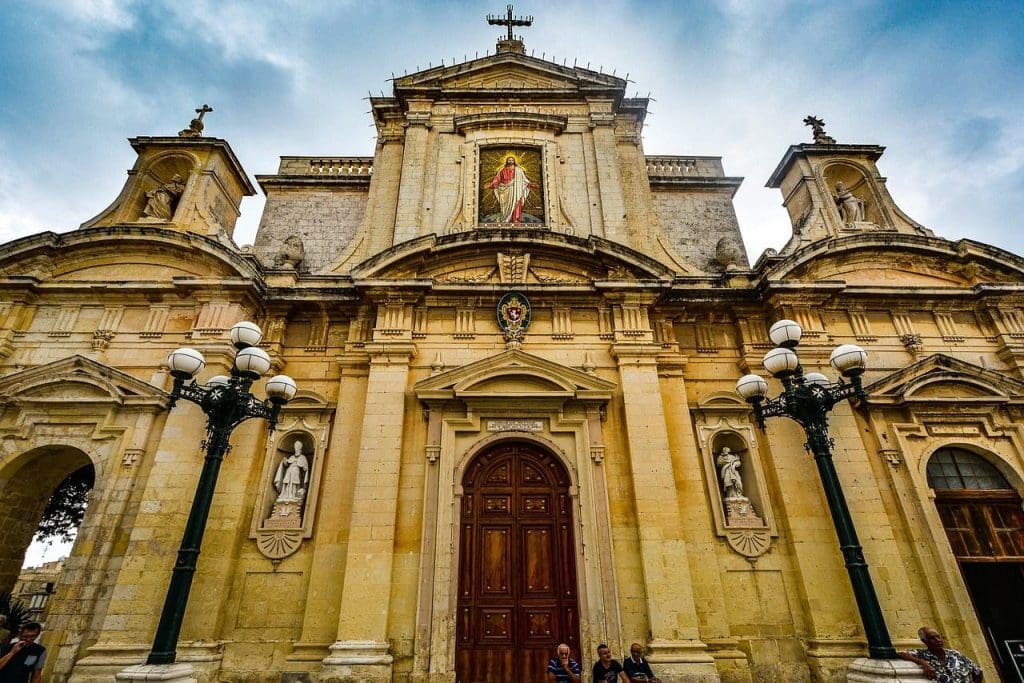
St. Paul’s Cathedral sits in the centre of Mdina and is the city’s architectural highlight. The original cathedral was built in the 12th century but was destroyed in the earthquake of 1693, after which it was rebuilt between 1696 and 1705 in the baroque style you see today. Inside you’ll find marble floors, painted ceiling vaults and ornate decoration throughout, and entry costs €10 for adults.
If you’re interested in historic house museums, Palazzo Falson is worth including in your visit, as this medieval palazzo houses an interesting collection of art, antiques and artifacts that were collected by Captain Olof Frederick Gollcher over his lifetime. The building itself dates back to 1495 and gives you a real sense of how noble families lived in medieval Mdina, with period furnishings and family portraits throughout the rooms.
Walk along Mdina’s bastions for views across the surrounding Maltese countryside, which in spring spreads out below the city walls in different shades of green, often scattered with wildflowers across the fields. On particularly clear days you can see all the way to the coast in multiple directions from this elevated position.
Rabat sits directly outside Mdina’s walls and was actually part of the same city until the Arabs reduced the size of the fortifications during the medieval period. The two towns flow seamlessly into each other and are almost always visited together on the same day, as you can simply walk from one to the other.
The main attractions in Rabat lie underground, starting with St. Paul’s Catacombs which form an extensive network of burial chambers dating back to the 3rd century AD. These early Christian catacombs spread beneath the modern town and visitors can explore sections of them using walkways that have been installed for safety. The catacombs are atmospheric and cool, with carved tombs, agape tables that were used in early Christian funerary rituals, and various symbols decorating the walls.
St. Paul’s Grotto is traditionally believed to be the place where St. Paul stayed after being shipwrecked in Malta in 60 AD, and it sits beneath St. Paul’s Church as an important Catholic pilgrimage site. A single ticket provides access to multiple attractions in Rabat including the grotto, the catacombs and the World War II shelters.
The World War II shelters in Rabat were hand-dug by local residents during the war to provide protection during the frequent air raids that Malta endured. The tunnels extend for hundreds of meters beneath the town, with different chambers that individual families used as their personal shelters during attacks. Some families even added homely touches like tiled floors to make the spaces more comfortable for the long hours they spent underground when the air raid sirens sounded.
Stop for lunch in Rabat where several good restaurants serve traditional Maltese dishes alongside Italian cuisine. In spring it’s worth asking what dishes they have featuring local vegetables and fresh artichokes, as these are at their seasonal best during these months.
Finish your day at Dingli Cliffs, which rise to about 250 meters above sea level and mark the highest point in Malta along the southwest coast. The views from here are genuinely dramatic, looking out over the Mediterranean with the cliffs dropping away beneath you.
Spring is an ideal time to visit Dingli Cliffs, as wildflowers bloom profusely across the clifftops and the surrounding countryside, while the comfortable temperatures make it perfect for walking. Several paths run along the clifftops ranging from short strolls to longer hikes of a few hours, although even if you simply stop at one of the main viewpoints the scenery is impressive enough to make it worthwhile.
The small chapel of St. Mary Magdalene sits picturesquely on the clifftops and makes for a lovely photograph with the blue sea stretching out behind it. The cliffs are also considered one of the best places in Malta to watch the sunset, so if you can time your visit for late afternoon you’ll see the entire coastline bathed in golden light as the sun drops toward the horizon.
There’s a small café near the main viewing area where you can get drinks and light snacks while sitting and enjoying the panoramic views.
Day 3: Gozo Jeep Safari
The third day takes you to Gozo, Malta’s smaller sister island which has a noticeably quieter and more rural character than the main island. Gozo is known for its green valleys, traditional stone-built villages and dramatic coastline, and spring is arguably the best time to visit as the landscape is at its most beautiful with everything lush and green after the winter rains, and wildflowers blooming across the countryside.
While you can explore Gozo independently using buses or a rental car, a jeep safari tour offers particular advantages if you only have one day to spend on the island. These tours are specifically designed to cover all the main highlights efficiently while also taking you through the countryside on farm tracks and minor roads that regular vehicles can’t access and that most independent visitors never discover.
In spring, a jeep safari really allows you to appreciate Gozo’s rural landscapes properly, as the valleys are filled with wildflowers, the terraced fields are green with crops, and traditional farming continues much as it has for centuries. The open-sided safari vehicles provide unobstructed views in all directions and make it easy to take photographs as you drive through the scenic countryside without the barriers that bus windows create.
Most Gozo jeep safari tours include hotel pickup from your accommodation in Malta, the ferry crossing to Gozo, a full day of touring with an experienced local guide, and a traditional Gozitan lunch. Booking with a reputable local tour operator like Yippee Malta ensures better organization with smaller group sizes and guides who have genuine local knowledge of Gozo’s history and culture, rather than just hitting the standard tourist stops without much context or background information.
While the exact routes vary between different operators, most Gozo jeep safaris visit the island’s main attractions along with some lesser-known spots that showcase the rural character of the island.
Victoria, which is also known as Rabat, serves as Gozo’s capital and sits in the centre of the island. Tours typically stop here so you can explore the Cittadella, which is the fortified citadel perched on a hill overlooking the surrounding town. The Cittadella’s history stretches back to the Bronze Age, although the current fortifications were constructed in the 16th century following devastating Ottoman raids in 1551 when nearly the entire population of Gozo was taken into slavery. You can walk along the battlements for panoramic views across the whole island, explore the narrow atmospheric medieval streets, and visit the small baroque cathedral that stands within the walls.
Dwejra Bay on Gozo’s west coast is one of the most visually dramatic locations on the island. The famous Azure Window natural arch that once stood here collapsed during a storm in 2017, but Dwejra remains impressive nonetheless. The Inland Sea is actually a small saltwater lagoon that’s surrounded by towering cliffs and connected to the open Mediterranean through a narrow tunnel that has been carved through the rock by centuries of wave action. Local fishermen operate small boats that take visitors through the tunnel and along the base of the coastal cliffs, offering views that you simply can’t get from land. The dark volcanic rock formations contrasting sharply with the bright turquoise water create an almost otherworldly landscape.
Ta’ Pinu Basilica sits on a hilltop in the countryside between the villages of Gharb and Ghammar, with sweeping views across the surrounding farmland. This impressive basilica was constructed in the early 20th century after a local woman reported hearing the Virgin Mary’s voice at a small chapel that had stood on this site. The neo-Romanesque architecture stands out dramatically against the rural landscape, and inside you’ll find intricate mosaics depicting religious stories and beautiful stained glass windows that fill the interior with coloured light.
The Sannat Cliffs offer some of the most spectacular coastal scenery that Gozo has to offer, with sheer limestone cliffs dropping vertically into the sea far below. In spring, wildflowers cover the clifftops in vibrant colours and the walking paths that run along the cliff edge provide opportunities for beautiful hiking with dramatic sea views.
The Xwejni Salt Pans on Gozo’s north coast have been worked by local families for more than 350 years using traditional methods. These shallow rectangular pools are carved directly into the coastal rock and fill with seawater, which then evaporates under the sun and wind leaving behind salt crystals that are harvested by hand. The geometric patterns created by hundreds of these pools make for an unusual and photogenic landscape, particularly striking when they’re full of water that reflects the blue sky above. Some families still harvest salt here during the summer months using the same techniques their ancestors used centuries ago.
Beyond the main tourist sites, jeep safaris take you through Gozo’s valleys and agricultural areas on dirt tracks and minor roads that regular cars can’t navigate. In spring these valleys are particularly beautiful, with green crops growing in terraced fields divided by traditional stone walls, and you’ll pass old farmhouses and small villages where tourism has made little impact on traditional ways of life. This off-road element really shows you what makes Gozo different from Malta, as it remains more agricultural, more traditional in character, and significantly quieter even during the busier months.
Most tour operators include a traditional Gozitan lunch as part of the day’s itinerary, typically served at a local restaurant or in a rural setting. The meal usually features local specialties like Gozitan bread, cheese, olives and other traditional foods, often accompanied by local wine or water.
Spring is genuinely the ideal time for a Gozo jeep safari, as the landscape is at its absolute best between March and May when everything is green and wildflowers bloom prolifically across the fields and clifftops. The temperatures remain comfortable even in an open vehicle without roof coverage, and you avoid the intense heat that can make summer touring rather uncomfortable. Many visitors come to Gozo in summer with a focus on beaches and swimming, but spring reveals a completely different side of the island where the emphasis shifts naturally to landscapes, countryside and traditional culture.
Day 4: Southern Malta
Your final day explores the southern region of Malta, which is rich in ancient history and traditional fishing culture. This area feels notably quieter and more authentic compared to the heavily developed northern tourist zones around Sliema and St. Julian’s.
Begin your morning at Hagar Qim and Mnajdra, two megalithic temple complexes that rank among the oldest free-standing stone structures anywhere in the world. These temples were constructed between 3600 and 2500 BC, which makes them significantly older than both Stonehenge in England and the Egyptian pyramids, and they demonstrate the sophisticated culture that existed in prehistoric Malta.
Hagar Qim sits on a clifftop position with expansive views across the sea toward the small island of Filfla. The massive stones that form the temple walls weigh several tons each and were positioned with remarkable precision despite the builders having only stone tools at their disposal. The site includes multiple temple structures with altars, decorative carvings and evidence of astronomical alignments that suggest the temples were used for observing celestial events.
A short walk downhill from Hagar Qim brings you to Mnajdra, which occupies a dramatic terrace carved into the hillside below the first temple. This complex is particularly noted for its precise solar alignments, as during the spring and autumn equinoxes the sun’s rays shine directly through the temple doorway and illuminate specific architectural features inside the chambers, which demonstrates the astronomical knowledge of the prehistoric builders.
Both temple sites are now covered by protective tent structures that look somewhat industrial but serve the important purpose of preserving the ancient stones from weathering and erosion. A modern visitor centre at the entrance includes informative displays explaining the temples, the artifacts that have been found during excavations, and what archaeologists have learned about the prehistoric people who built them. A single ticket costing €10 provides access to both temple complexes.
Continue along the southern coast to the Blue Grotto, which is a series of sea caves where the water glows an intense electric blue colour from sunlight reflecting and refracting through the underwater rock formations. Small boats operated by local fishermen take visitors on trips into the caves and along the base of the dramatic coastal cliffs.
The boat trips last approximately 20 minutes and cost around €8 per person, although whether the boats operate depends entirely on sea conditions and weather. In spring particularly, when the sea can be rough and unpredictable, there’s no guarantee that trips will be running on any given day. If sea conditions are suitable the experience is genuinely worthwhile, as the water in the caves takes on that impossibly vivid blue colour that photographs can barely capture, and the caves themselves are impressive natural formations with openings in the cave roofs where shafts of sunlight stream in.
Even if the boat trips aren’t operating due to rough seas, the views from the clifftop viewing platform at Blue Grotto are still quite dramatic, as you can see the cave entrances from above and watch the waves crashing against the base of the cliffs below.
Finish your final day in Marsaxlokk, which is Malta’s largest and most traditional fishing village. The harbour here is filled with colourful luzzu, which are the distinctive traditional Maltese fishing boats painted in bright blues, reds, yellows and greens, with the Eye of Osiris painted on the bow for protection at sea. These boats have been used by Maltese fishermen for centuries, although most are now powered by engines rather than sailed as they once were.
Marsaxlokk is particularly famous for its Sunday morning fish market where locals come to buy fresh fish directly from the fishermen, but the village remains charming and authentic on any day of the week. The waterfront is lined with seafood restaurants, most of which have outdoor tables with views directly over the harbour and the colourful fishing boats. Spring is an ideal time to sit outside here with the comfortable temperatures and gentle sea breeze coming in off the water.
Take time to walk along the full length of the harbour and through the narrow village streets behind the waterfront. Despite being popular with visitors, Marsaxlokk still feels genuinely local and authentic, as actual fishermen continue to work from the harbour and the village operates according to the traditional rhythms of the fishing industry rather than being entirely given over to tourism.
This makes a fitting place for your final meal in Malta, where you can sit by the water eating fresh fish that was probably caught that same morning, watching the boats bobbing in the harbour and reflecting on four days exploring these historic Mediterranean islands.
Practical Information
Spring in Malta runs roughly from March through May, with each month offering slightly different conditions.
March can still see occasional rain and cooler temperatures, particularly early in the month, but wildflowers begin appearing across the countryside and the weather is generally pleasant for sightseeing. Easter falls in either March or April depending on the year, and brings various local religious celebrations and processions.
April is often considered ideal for visiting, with warm days, very little rainfall, and wildflowers at their absolute peak across the fields and clifftops. Daytime temperatures typically range from around 15-21°C, which is perfect for walking and outdoor activities without being too hot.
May sees warmer weather that begins approaching summer levels, with even less rainfall and everything still green from the spring rains. Temperatures climb to around 20-26°C during the day. The sea temperature also starts warming up enough for swimming if you don’t mind water that’s still slightly cool.
Tourist crowds remain quite manageable throughout the spring months, so while you’ll certainly encounter other visitors at major attractions like Valletta and the prehistoric temples, the experience is nothing like the summer rush between June and August when the islands become very crowded.
Malta has an extensive and affordable public bus network that serves most destinations covered in this itinerary. Single journey tickets cost €2 in winter and €2.50 in summer, which is valid for two hours including transfers. Routes run frequently between major destinations, although services can be less reliable in more remote areas and timetables aren’t always strictly followed. Download the Tallinja app to check routes and schedules, although it’s worth noting that actual arrival times may vary from what the app shows.
Rental cars offer more flexibility and independence, particularly for visiting places like Dingli Cliffs where bus services are limited. Driving in Malta takes some adjustment as the roads are often narrow and poorly maintained in places, and local drivers can be quite aggressive. However, having a car for two or three days of your trip can make the experience much more comfortable and efficient. Daily rental rates typically range from around €25-40 depending on the season, type of vehicle and how far in advance you book.
Taxis and ride-sharing services through apps like Bolt or eCabs work well for shorter journeys or when buses aren’t convenient for your schedule. Costs are quite reasonable compared to many other European destinations, although they’re obviously more expensive than public buses.
For the Gozo jeep safari on day three, transport is included in the tour price from your hotel or the nearest designated pickup point in Malta.
Valletta places you right in the heart of the capital with everything within walking distance, although accommodation prices here tend to be higher than in other areas. The location is unbeatable if you want to be able to walk out your door and immediately start exploring.
Sliema offers a wide range of hotels at different price points, along with numerous restaurants, cafes and shops, plus excellent bus connections to all parts of Malta. Many visitors choose to base themselves here as it provides a good balance of facilities and accessibility.
St. Julian’s tends to be livelier with more nightlife options and a younger atmosphere. It’s a good choice for travelers who want restaurants, bars and entertainment options within walking distance of their accommodation.
Mellieha in the north is quieter and more residential, which gives you easier access to the Gozo ferry terminal at Cirkewwa and attractions in northern Malta, although it’s further from Valletta and the southern sites.
For a 4-day trip where you’ll be out exploring each day, any of these areas works perfectly well. Choose based on your budget and the type of atmosphere you prefer rather than worrying too much about location, since the bus network connects all areas efficiently.
Spring weather in Malta is generally mild and pleasant but can be somewhat changeable, particularly in March. Pack layers of clothing as mornings can be quite cool but afternoons often warm up considerably. Bring comfortable walking shoes with good grip and ankle support for exploring historic cities and walking along clifftops. Sun protection including a hat, sunglasses and sunscreen is essential even in spring as the Mediterranean sun can be strong. A light rain jacket or windbreaker is worth bringing just in case of showers. Bring a camera or ensure your phone is charged for capturing the spectacular landscapes and historic sites. A reusable water bottle is useful as Malta’s tap water is perfectly safe to drink.
Spring brings wonderful seasonal produce to Malta’s markets and restaurant menus. Look out for fresh artichokes which are a particular local specialty during spring months and appear in various traditional dishes. Broad beans and peas are at their peak and feature prominently in Maltese cooking. Fresh fish and seafood is available year-round in Malta but is particularly good in spring. Local strawberries and other spring fruits appear in markets and on dessert menus.
Traditional Maltese dishes worth trying during your visit include rabbit stew which is considered the national dish, lampuki pie when it’s available, pastizzi which are flaky pastries filled with ricotta or peas, and ġbejniet which are small rounds of sheep’s milk cheese from Gozo that can be eaten fresh or dried.
This 4-day spring itinerary provides a well-rounded experience of Malta and Gozo that goes well beyond the beach-focused holidays that dominate during summer months. You’ll see historic cities built by the Knights of St. John, ancient temples constructed by prehistoric cultures, dramatic coastal landscapes, traditional fishing villages, and the beautiful green countryside that emerges in spring when wildflowers bloom and everything comes alive after winter. The combination of rich cultural heritage and natural beauty makes Malta compelling throughout the year, but by visiting in spring you experience the islands at their most scenic while enjoying comfortable weather for walking and exploring, plus significantly smaller crowds at all the major attractions.