


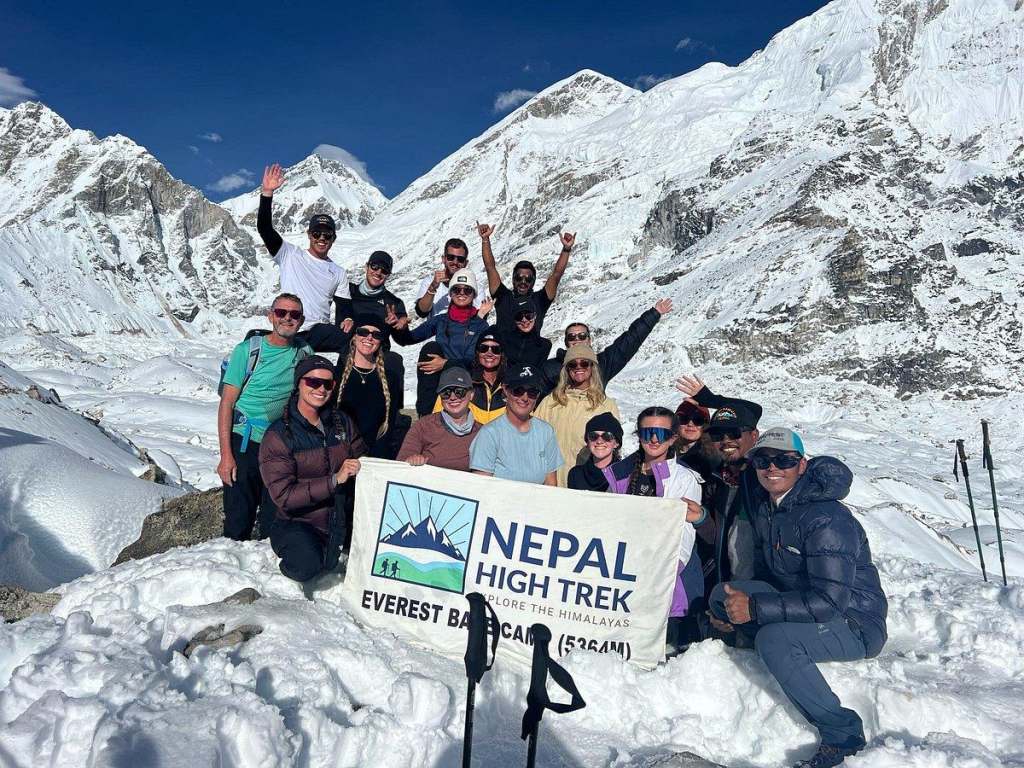
Walking through Nepal’s high mountains is a dream for many travelers. Two of the most famous trekking routes in Nepal are the 7 Days Annapurna Base Camp Trek and the Everest Base Camp Trek. Each offers stunning views, rich culture, and a real adventure. Choosing the right trek depends on your time, fitness level, and what kind of experience you want.
What Makes the Annapurna Base Camp Trek Special?
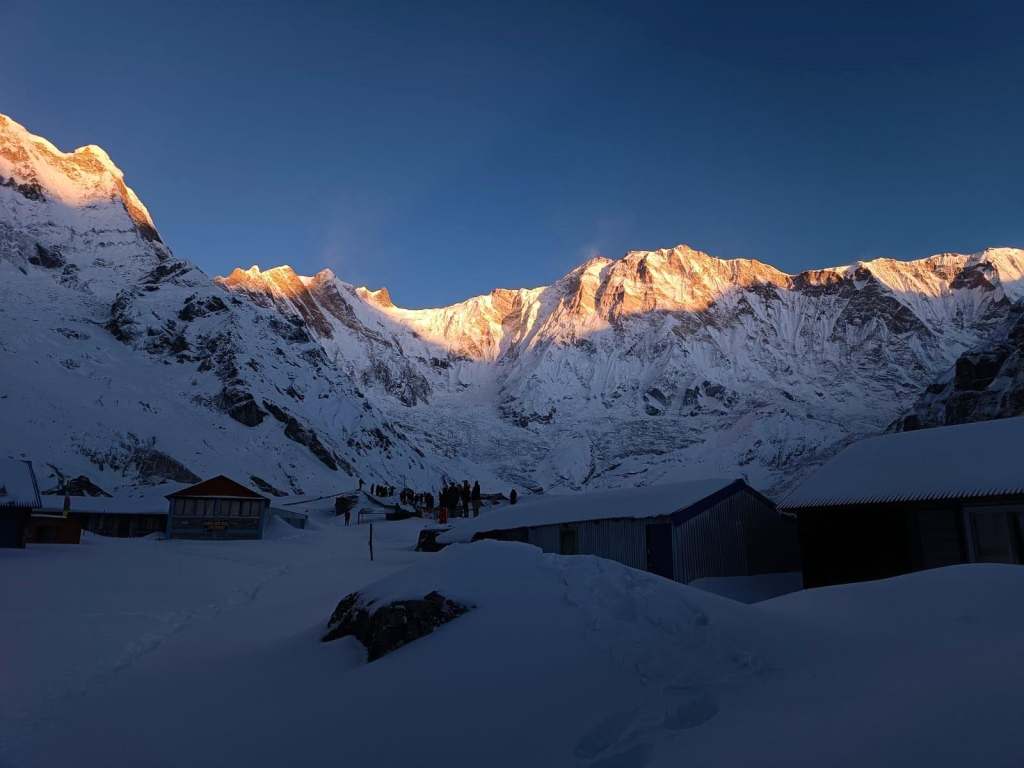
The Annapurna Base Camp trek takes you through lush forests, traditional villages, and sweeping mountain valleys. The trail climbs steadily to the base of Annapurna South at about 4,130 meters, which is lower than Everest Base Camp.
Because of this, many trekkers find it easier to manage altitude and acclimatization. The trek can be done in about seven days, making it a good option if you have limited time and still want a memorable mountain experience.
What Makes the Everest Base Camp Trek Truly Unforgettable
The Everest Base Camp trek is one of the world’s most iconic walks. Starting with a flight to Lukla, the trail climbs high into the Khumbu region and reaches Everest Base Camp at 5,364 meters. Along the way, you’ll pass Sherpa villages and dramatic mountain scenery.
It takes longer than Annapurna, typically 12 to 14 days, but the views of Everest and the surrounding peaks are unforgettable.
Side-by-Side Trek Highlights
Both treks show Nepal’s mountain beauty, but they are different in what they highlight. Annapurna offers a mix of forests, waterfalls, and panoramic views with a strong cultural feel.
Everest focuses on high alpine landscapes and the thrill of being near the world’s tallest peak. Terrain on the EBC trek is rockier and higher, while Annapurna’s trail flows through greener valleys.
How Hard Are These Treks?
The 7 days Annapurna Base Camp Trek route is considered moderately challenging. The daily walking hours are reasonable, and the lower maximum altitude helps many trekkers avoid severe altitude sickness.
Everest Base Camp is generally harder because it reaches higher elevations and involves more days of hiking. Even though neither trek requires climbing skills, the EBC trek’s sustained uphill sections and thinner air make it tougher overall.
Altitude and Safety
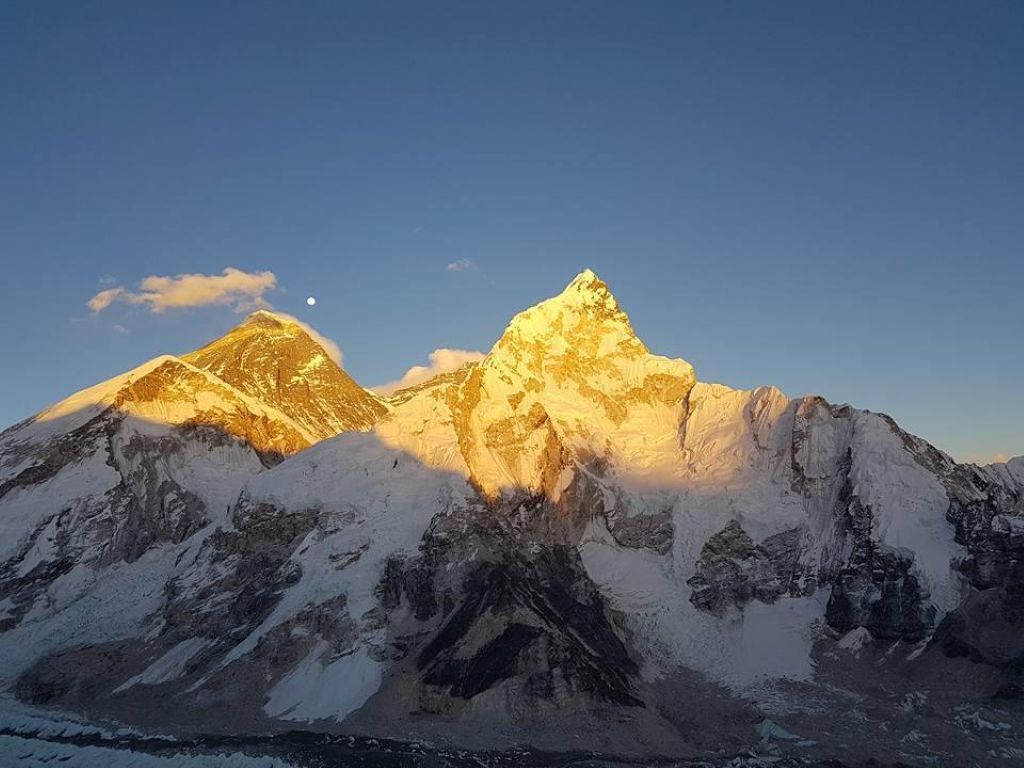
Altitude plays a big role in how difficult a trek feels. On the Annapurna route, you reach around 4,130 meters, and most trekkers can handle this with careful pacing.
On the Everest route, you spend more time above 4,000 meters, and sleeping as high as 5,140 meters increases the risk of altitude sickness. Proper acclimatization, hydration, and listening to your body are key to staying safe on both treks.
Time and Itinerary
If you have only a week, the 7 Days Annapurna Base Camp Trek fits well into a short holiday. It’s structured so you can reach the base camp and return without feeling rushed.
The Everest route normally needs about two weeks. The longer schedule allows for acclimatization days, which help your body adjust to the high altitude.
Transportation and Access
Getting to the start of each trek is part of the journey. Annapurna Base Camp starts near Pokhara, which is easily reachable by road or a short flight from Kathmandu.
The Everest trek usually begins with a flight to Lukla, known for its scenic but weather-dependent runway. This flight can add cost and complexity to your plans.
Cost Factors
Overall, the Annapurna Base Camp trek usually costs less than the Everest Base Camp trek, making it a more budget-friendly choice for many hikers. Permits, transportation, and daily expenses are generally lower than for the Everest trek.
The cost of the Lukla flight alone often makes Everest more expensive. Both treks include teahouse lodging and meals, but higher prices at altitude can add up on EBC.
Accommodation and Food on the Trail
Both treks rely on teahouses for accommodation. These are simple lodges that serve meals and provide basic sleeping arrangements. Annapurna’s lodges often feel more intimate.
While Everest’s trail has more developed facilities in larger villages like Namche Bazaar. Meals usually include local dishes such as dal bhat, noodles, and soups, giving you a taste of Nepal along the way.
When to Go Trekking
Spring (March to May) and autumn (September to November) offer the clearest skies and best weather for trekking in Nepal. These windows bring mostly clear mountain views and reliably calm weather for trekking.
During the monsoon (June to September), rain can make trails slippery. Winter brings colder temperatures, especially on the high parts of the Everest route, but fewer crowds.
Pros of the 7 Days Annapurna Base Camp Trek
- Shorter trek that fits into a busy schedule
- Moderate difficulty suitable for many fitness levels
- Rich natural scenery with forests and rivers
- Lower risk of serious altitude sickness compared to EBC
- More budget-friendly overall
Pros of the Everest Base Camp Trek
- Iconic high-altitude experience near Mount Everest
- Stunning panoramic views of the tallest peaks
- A deep cultural immersion in Sherpa communities
- Challenging adventure for seasoned trekkers
- More developed trail infrastructure
Conclusion: Which Trek Should You Choose?
Both the 7 Days Annapurna Base Camp Trek and the Everest Base Camp Trek are remarkable journeys. If you have limited time, want moderate difficulty, and prefer a mix of scenery and culture, Annapurna Base Camp is a great choice.
If you seek a high-altitude challenge, dramatic mountain vistas, and a longer adventure, Everest Base Camp delivers an unforgettable experience.
Your choice should match your fitness level, available time, and what kind of Himalayan adventure you dream of. We’re Nepal High Trek And Expedition Pvt. Ltd., based in Kathmandu, specializing in treks, climbs, and more for solo travelers and private groups.
Contact us at info@nepalhightrek.com or WhatsApp +977 9851142116.