Ivory Coast is a country that pulses with creative energy, deep history and natural beauty. Long overshadowed by its more famous neighbours, the country is emerging as one of West Africa’s most compelling destinations. You can explore tropical forests in the morning, wander colonial streets in the afternoon, and dance to cutting-edge African music at night.
Abidjan, Ivory Coast
I start my journey in Abidjan, the country’s largest city and economic capital, often described as the “Paris of West Africa.” Built around a network of lagoons, the city blends futuristic architecture with tropical scenery and lively street life. Three times the size of London, a network of modern highways makes it easy to get around.
During the day, Treichville Market, the city’s biggest, is a good place to get a glimpse of local life. Butchers, fishmongers, fruit and vegetable sellers sit side by side with coloured textiles while seamstresses and barbers ply their trade on the pavement.
The southern coastline is lined with golden beaches, lagoons and fishing villages.
Assinie, east of the city, is perhaps the most famous, with 18 km of golden sand. These beaches, framed by palm trees and warm Atlantic waters, represent the classic tropical dream, yet remain relatively uncrowded. And they’re easily accessible from Abidjan’s International Airport.
Yamoussoukro
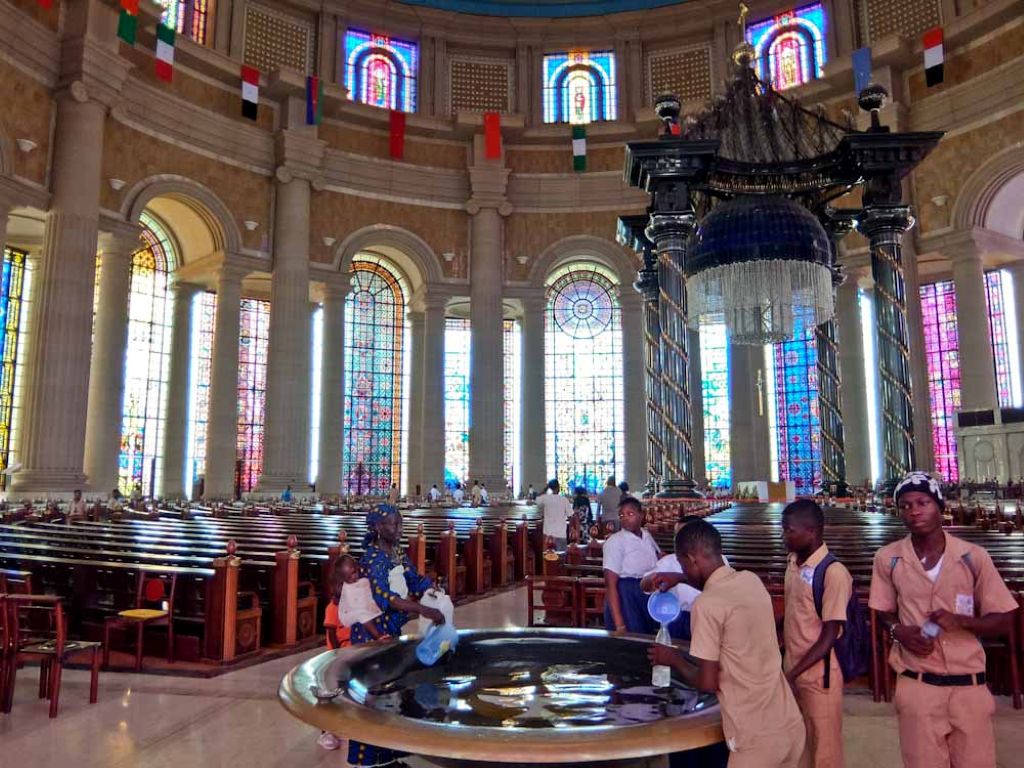
Three hours away, in the interior, lies Yamoussoukro, the political capital and birthplace of the nation’s first president. Félix Houphouët-Boigny. The city’s most famous landmark is the Basilica of Our Lady of Peace, completed in 1989 and listed in the Guinness Book of Records as the largest church in the world.
Its enormous dome rises above palm trees and manicured gardens, taller than St. Peter’s Basilica in Rome. Inside it can hold 18,000 worshippers and there’s space for around 300,000 outside. The basilica is constructed with marble imported from Italy and the windows contain 8,400m2 of contemporary stained glass from France.
Man
Driving far west, the land rises into forested highlands with mist drifting between emerald peaks. Man, the “city of 18 mountains”, sits in a dramatic landscape near the Nimba mountain range, on the Ko River. It’s one of the prettiest in the country and the cultural heartland of the Dan people. They’re known for their wooden masks, representing spirits, ancestors and animals.
Waterfalls of Zadêpleu
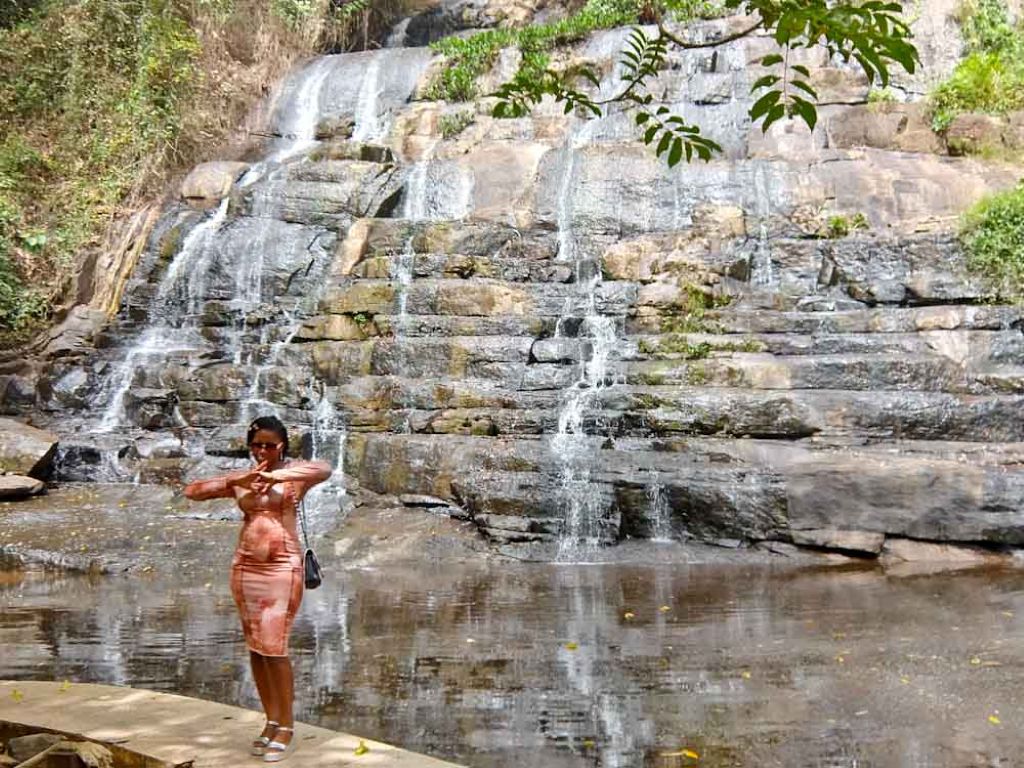
Just a short distance from the city, the waterfall system descends approximately 20 metres across layers of granite rock, creating a striking natural staircase. The rock strata, smoothed by centuries of running water, form a series of terraces that catch and pool the clear stream, ending in natural basins perfect for cooling dips.
Vine Bridge of Douepleu
Suspended above the Cavally River 80 km from Man, this fragile-looking bridge stretches across the Cavally River. It’s formed entirely from thick forest lianas twisted and woven together and anchored by large trees on either side. According to Yacouba tradition, the bridge is built in a single night by initiates who possess special knowledge. Don’t offend the spirits by crossing in your shoes.
Wêhêde Festival
The sound of massed drumming echoes through the late afternoon, the polyrhythms wildly infectious. The dancers, in multi-coloured traditional costumes, move closer, swaying to the beat. Suddenly one reaches out to me, grabs my hand and I’m making my debut on the African stage.
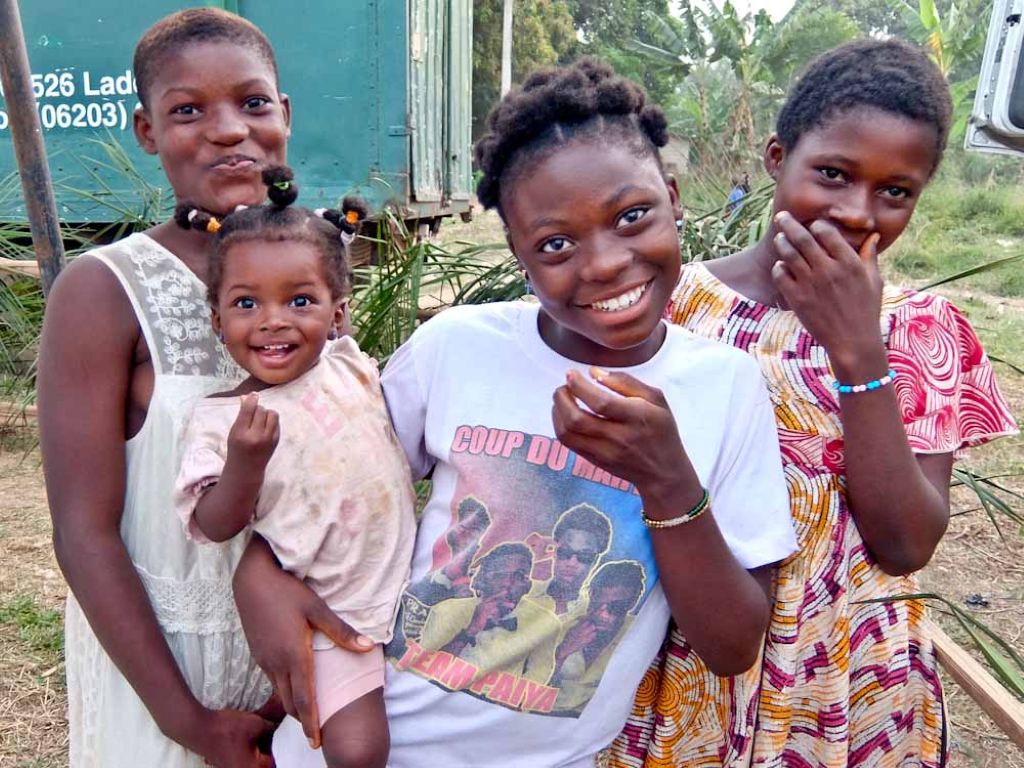
I’m at the annual Wêhêde Festival, taking place near the border with Liberia. This is the region of the Wê people and villagers come to celebrate shared history and customs. As I’m finding out, outsiders are warmly welcomed and this is an event definitely not staged for tourists.
Masked performers appear in elaborate costumes made of fabric, raffia and carved wood. The festival is also the venue for storytelling, ceremonies and community gatherings. Elders pass down traditions to younger generations, ensuring that their culture continues to live on.
Dancing is one way of working up an appetite and there’s plenty of local food on offer. Here you can taste traditional dishes prepared by village cooks, including cassava, plantains, spicy sauces and forest game. Cooking competitions celebrate local culinary heritage, while communal meals bring together elders, youth and visitors alike.
From the vibrant cityscape of Abidjan and its palm-lined Atlantic beaches to tropical forests and villages lost in time, Côte d’Ivoire is a vivid introduction to contemporary Africa. It’s easy to get around and there are plenty of decent places to stay. But, ultimately it’s the warmth of the people that stands out. Forget tacky souvenirs, this is the memory I’ll be taking home with me.
Information about Ivory Coast
Air France flies to Abidjan from London Heathrow via Paris.
My Sublime Côte d’Ivoire has information about the country.
The Bradt Guide to Ivory Coast is indispensable.
The Sofitel Abidjan has a wide range of facilities. La Maison Palmier in Abidjan, is a luxury base with swimming pool and great restaurant. La Maison d’Akoula in Assinie is a boutique hotel with lagoon and beach access.
Photos by Rupert Parker.
