


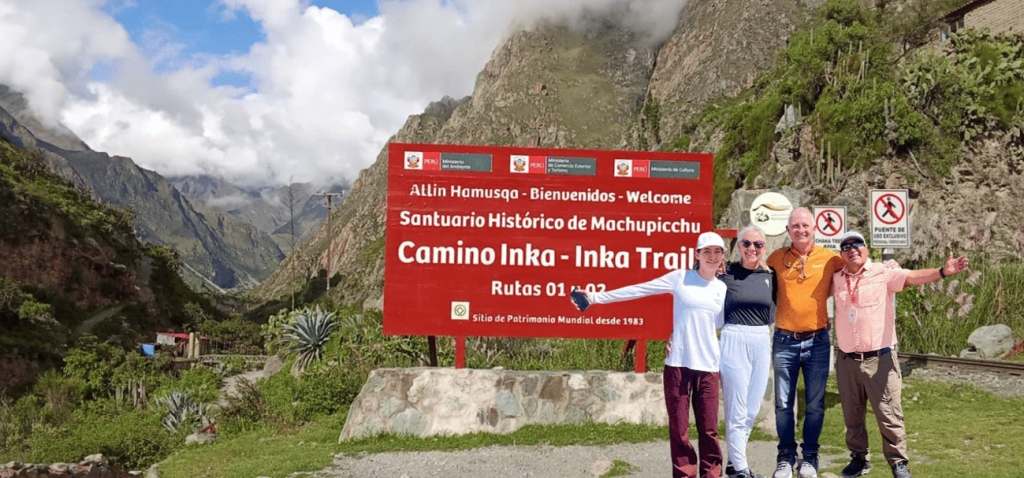
The Inca Trail to Machu Picchu is one of the world’s most famous treks and a must-do adventure in Peru. The trail follows ancient stone paths built by the Incas, leading you through stunning Andean scenery, cloud forests, and fascinating archaeological sites before you reach Machu Picchu at the Sun Gate (Inti Punku).
Unlike arriving by train, hiking the best Inca Trail tours creates a deeper, more meaningful connection to the destination. Each step reveals part of a journey shaped by history, nature, and culture, making the arrival at Machu Picchu an unforgettable moment.
This complete guide covers everything you need to know, including routes, permits, costs, difficulty, packing tips, and expert advice to help you plan your trip with confidence.
Inca Trail Routes Explained (Short vs Classic)
The Inca Trail to Machu Picchu offers two main routes: The Classic 4-day trek for a full adventure, and the Short 2-day version for a faster, more accessible hike that still includes the iconic arrival at the Sun Gate.
Classic Inca Trail (4 Days / 3 Nights)
Distance: 43 km / 26.5 miles
Difficulty: Moderate to challenging
Camping: 3 nights along the trail
Multiple archaeological sites: main one Llactapata, Sayacmarka, Phuyupatamarka, Intipata and Wiñayhuayna.
The 4 Day Classic Inca Trail Hike offers a comprehensive trekking experience. Over four days, hiker’s cross mountain passes, traverse diverse ecosystems, and visit several Inca ruins.
This route is ideal for travelers seeking a deeper connection with nature, history, and a rewarding physical challenge.
Short Inca Trail (2 Days / 1 Night)
Distance: 12 km / 6.5 miles
Difficulty: Moderate
No camping required
Includes Wiñay Wayna and Sun Gate
The 2-day Short Inca Trail hike is a more accessible alternative that includes key highlights. It combines a scenic hike, cultural sites, and entrance to Machu Picchu through the Sun Gate.
This option suits travelers with limited time or those seeking a balance between adventure and comfort.
Luxury Inca Trail Experience
The Inca Trail now features a luxury option for travelers seeking a curated experience. This 4 day Luxury Inca Trail trek combines the classic route with enhanced comfort, including hot showers, professional massage therapists, gourmet meals, and personalized service. Each aspect is designed to ensure a memorable and indulgent journey to Machu Picchu.
Inca Trail Permits and Availability
Access to the Inca Trail is regulated, with a limited number of daily permits issued to protect the trail and preserve its heritage. Understanding how Inca Trail permit availability works is essential for every hiker planning this incredible route.
Permits are mandatory for all hikers and must be booked through an authorized tour operator.
Classic Inca Trail: 500 permits per day (including hikers, guides, porters, and cooks)
Short Inca Trail: 250 permits per day
Since these numbers include staff, the actual number of spots for travelers is lower. The Classic Inca Trail often sells out 3 to 6 months in advance, especially during peak season.
The Short Inca Trail is generally easier to book but can sell out during busy months. Booking early helps secure your preferred dates.
How Much Does the Inca Trail Cost?
The cost of the Inca Trail depends on service level, group size, and tour operator quality.
Typical price ranges:
Short Inca Trail: $500 – $650 USD
Classic Inca Trail: $750 – $900 USD
These prices typically include permits, transportation, guides, meals, and often train tickets and accommodation.
What Affects the Price?
Several factors influence the final cost:
Train category: Standard vs panoramic trains
Hotel quality: Basic or upgraded accommodation
Group size: Smaller groups offer a more personalized experience
Guide experience: Knowledgeable guides enhance the journey
Operator reputation: better logistics, safety, and service
While lower-cost options are available, selecting a reputable operator usually ensures a smoother, safer, and higher-quality experience.
Best Time to Hike the Inca Trail
The Inca Trail is open year-round, but weather and crowd levels vary by season.
Dry Season (April – October)
- Clear skies and better visibility
- Ideal trekking conditions
- Higher demand and more visitors
This period is ideal for hiking, especially for those who prioritize stable weather and clear mountain views.
Rainy Season (November – March)
- Lush, green landscapes
- Fewer tourists on the trail
- Higher chance of rain, usually in short periods
Although conditions are wetter, the scenery is vibrant, offering a different yet rewarding experience.
Best months overall: May, June, and September, which offer a balance of good weather and moderate crowds.
How Difficult Is the Inca Trail?
The difficulty of the Inca Trail depends on the route, altitude, and individual fitness, but both options require preparation.
Classic Inca Trail: More physically demanding due to longer distances and high-altitude passes
Short Inca Trail: Moderate difficulty, suitable for most travelers with basic fitness
Altitude is a primary challenge, even for experienced hikers. Spending at least 2–3 days in Cusco or the Sacred Valley before the trek is recommended for proper acclimatization.
With proper preparation and pacing, most travelers find the experience challenging yet achievable and highly rewarding.
What to Pack for the Inca Trail
Packing efficiently is essential for comfort on the Inca Trail, as weather and terrain can change throughout the day.
Daypack Essentials
A well-organized daypack should include only essentials to keep your hike light and efficient:
- Passport (required for trail access and Machu Picchu entry)
- Water (at least 2L) for hydration at altitude
- Energy snacks for sustained energy
- Rain jacket or poncho for changing weather
- Sunscreen, sunglasses, and hat for sun exposure
Carrying only essentials improves comfort, especially on uphill sections.
Clothing Tips
Layering is the most effective clothing strategy for the Inca Trail. Early mornings are cool, while midday temperatures rise under direct sunlight.
Lightweight, breathable clothing with a warm outer layer allows you to adapt to changing conditions during the hike.
Tips to Avoid Common Mistakes
Proper preparation can enhance your experience, while small mistakes may affect comfort and enjoyment.
Common mistakes to avoid:
- Booking permits too late, especially during peak season
- Skipping acclimatization, which increases the risk of altitude discomfort
- Overpacking makes the hike unnecessarily difficult
- Choosing a tour based only on price, rather than overall quality
Avoiding these issues helps ensure a smoother, safer, and more enjoyable trek.
Is the Inca Trail Worth It?
The Inca Trail is widely regarded as one of the most rewarding trekking experiences in the world.
It combines history, culture, and natural beauty in a way few destinations offer. Walking original Inca pathways, discovering archaeological sites, and arriving at Machu Picchu through the Sun Gate creates a memorable experience.
For many travelers, it is the highlight of their trip to Peru and one of their most meaningful adventures.
Alternative Ways to Reach Machu Picchu
While the Inca Trail is the most well-known route, there are several other ways to visit Machu Picchu depending on your travel preferences.
Popular alternatives include:
- Scenic train journeys through the Sacred Valley, offering comfort and panoramic views
- Cultural tours, combining visits to traditional villages and Inca sites
- Alternative treks, which explore different landscapes and less crowded routes
These options offer flexibility for travelers seeking a different pace or experience.
Choosing the Right Tour Operator
Choosing the right tour operator is a key decision when planning the Inca Trail.
A reliable operator ensures proper logistics, safety, and a higher-quality experience.
Key factors to consider:
- Licensed and authorized operator
- Small group sizes for a more personalized experience
- Experienced and knowledgeable guides
- Strong reviews and reputation
- Clear communication before booking
Cusco-based operators such as Champions Peru Travel specialize in organizing well-structured, personalized Inca Trail experiences, combining local expertise with high service standards.
Final Thoughts
The Inca Trail to Machu Picchu is more than a hike; it is a journey through history, culture, and some of the most impressive landscapes in the Andes.
From the first steps on ancient stone paths to the arrival at Machu Picchu, every moment contributes to an experience that extends beyond the destination.
With proper planning, preparation, and a trusted operator, this journey is both achievable and memorable.