


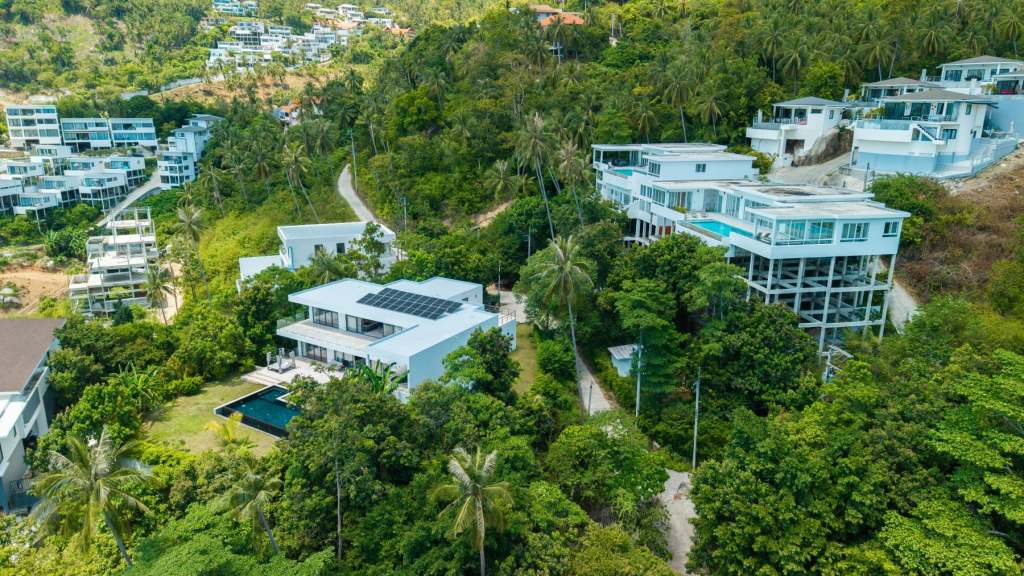
Global-Property.Investments, a digital hub for property seekers, has carved out a unique niche by spotlighting Thailand’s dynamic real estate scene. But this isn’t just about buying property—it’s about tapping into the powerful undercurrent where tourism, lifestyle, and investment converge. In this guide, we dive deep into Thailand’s residential real estate while stitching in global patterns, investor psychology, and the increasingly digital tools redefining how we own and earn from property.
A Glimpse at Global Markets: Where We Stand
Around the world, real estate markets are tiptoeing toward recovery. In the third quarter of 2025, home prices across 55 of the world’s biggest markets edged up by 2.4% year-over-year, up slightly from the previous quarter. Meanwhile, in the Asia-Pacific region, real estate investment volumes fell by 6%, totaling 71.9 billion USD for the first half of the year. Economic uncertainty remains, but in places like North America and parts of Europe, conditions are ripening for a late-2025 bounceback. Lending is slowly becoming more accessible, and the appetite for prime property is stirring once again.
Tourism’s Subtle Power in Property Markets
Property demand isn’t just driven by job centers and urban sprawl anymore. Increasingly, it’s about where people want to be. Thailand saw nearly 33 million international visitors in 2025, and those travelers didn’t just spend 1.53 trillion baht on hotels and tours—they sparked real estate interest in scenic, culture-rich pockets of the country. Beachfront condos in Phuket. Rooftop apartments in Bangkok. Villas tucked into the mountains of Chiang Mai. Travel is creating a fresh layer of demand—one driven by experience, not just necessity.
Zooming In: Thailand’s Residential Pulse
Thailand’s housing market is a patchwork of contrasts. As of Q4 2025, the Nationwide Residential Property Price Index rose by 3.79% from the year prior. The South, buoyed by tourism, surged by 5.48%, while the North followed closely behind at 4.04%. Bangkok, however, slipped into the red with a marginal decline of 0.70%, weighed down by affordability constraints and a shifting urban-rural preference post-pandemic.
Prices reflect this tug-of-war. Condos averaged 114,000 baht per square metre in the first half of 2025. Villas showed more range, swinging between 60,000 and 95,000 baht depending on location and view. This disparity speaks to the magnetism of tourist zones—where demand is global and supply can’t be replicated.
Cash Flow Meets Coastal Views
Rental yields in Thailand aren’t one-size-fits-all. Larger luxury units tend to hover around the 4% mark, attractive for those chasing long-term appreciation. But compact, well-placed studios or one-bedroom units in prime tourist corridors can push past 8%, thanks to strong short-term rental demand. Detached homes and townhouses sit comfortably in the 5–6% range, offering balanced returns with lower volatility.
Here’s a snapshot of the numbers:
| Metric | Value |
|---|---|
| Global house price growth (Q3 2025) | +2.4% YoY |
| APAC investment flows (H1 2025) | USD 71.9 billion, -6% YoY |
| Condo price (Bangkok, H1 2025) | 114,000 baht/sqm |
| Villa price (regional, H1 2025) | 60,000–95,000 baht/sqm |
| Rental yields (Thailand, 2026) | 4–8% |
| PropTech adoption | >60% of transactions online |
Digital Real Estate: From Screen to Signature
Buying property used to mean days of site visits, cross-border banking hassles, and pages of paperwork. Not anymore. In Thailand, more than 60% of real estate deals now start online. Artificial intelligence powers listing recommendations. Virtual tours replace open houses. Smart contracts sealed by blockchain are emerging. This digital leap has rewritten the script—investors can now research, purchase, and manage a Thai property without leaving their home country.
Phuket: Where Sand Meets ROI
Of all Thailand’s investment-ready locales, Phuket property for sale wears the crown. Average condo prices in 2025 hit 144,000 baht per square metre. Villas came in around 70,000 baht, with branded properties fetching up to 28% more due to their global appeal and built-in trust factor. Think luxury condos tied to hotel chains with concierge services and resort-style amenities.
Rental returns on the island tell their own story: 5% to 7% yields during peak season aren’t uncommon. It’s a market built on year-round demand—from honeymooners and holidaymakers to long-stay digital nomads.
Strategies That Sync with Travel Rhythms
Investing in Thailand isn’t just about where you buy—it’s when and how. A few savvy approaches:
- Seasonal Alignment: Focus on regions with peak demand from November to April (especially along the Andaman Coast) to lock in higher short-term rental rates.
- Festival Focus: Tap into major holidays like Songkran and Loy Krathong by offering culturally themed stay packages.
- Geographic Mix: Combine high-yield islands like Phuket with capital appreciation plays in cities such as Bangkok or Chiang Mai.
- Local Expertise: Collaborate with licensed property managers who can oversee maintenance, marketing, and guest services across top platforms.
Top Thai Hotspots for Hybrid Property Portfolios
- Phuket – Beachfront condos and villas in areas with strong tourist appeal.
- Bangkok – Central condos ideal for professionals and business travelers.
- Chiang Mai – Boutique villas nestled in cultural districts with rising expat appeal.
- Pattaya – Budget-friendly coastal units with steady rental turnover.
- Hua Hin – Seaside resorts favored by retirees and wellness-focused travelers.
One Investor, One Island, Zero Hassle
Consider a recent case: a European buyer used a digital real estate platform to scout, secure, and set up a three-bedroom villa in Phuket. After one physical visit, the deal was signed. A furnishing package was selected online. A local management company took over from there—handling guest bookings, cleaning, and upkeep. Within six months, the villa posted a 6.5% gross rental yield. This model proves that with the right tech and team, even international investors can succeed without being permanently on-site.
Conclusion: Real Estate With a Passport
Thailand sits at the intersection of affordability, adventure, and access. As tourism rebounds and tech transforms real estate, investors no longer need to choose between a profitable property and a desirable location. In Thailand, you can have both. Whether you’re drawn to island tranquility, urban energy, or cultural charm, there’s a path for crafting a property portfolio that travels with you—across seasons, across geographies, and across lifestyles.