For much of the past few years, travel has been defined by one powerful phrase: revenge travel. From packed airports to soaring hotel prices, millions of travellers, particularly in the United States, have been eager to make up for lost time after the pandemic.
But as we move through 2026, a new question has begun to emerge. Are people travelling less? With rising costs, economic uncertainty and changing lifestyles, some commentators have even suggested that vacations are over.
The reality of modern travel is far more complex. While the American revenge travel surge may be slowing, American travel remains strong. It is simply evolving.
What Is Revenge Travel?
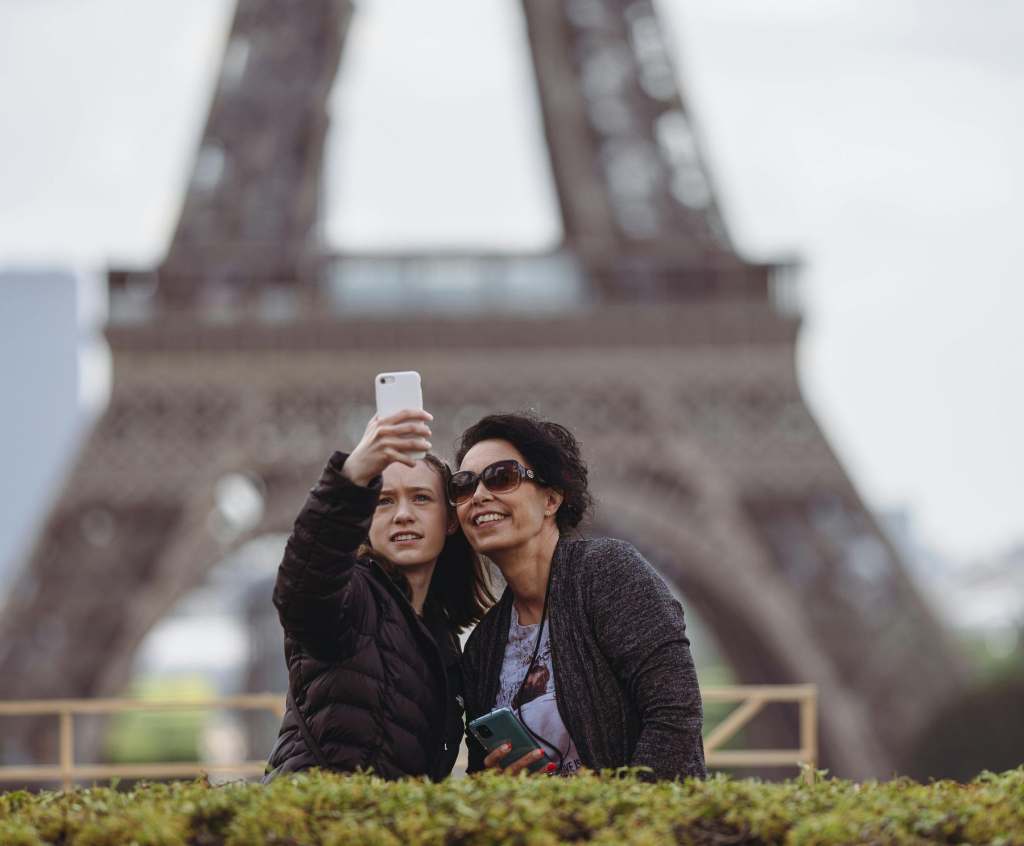
The phrase revenge travel first gained popularity as the world began reopening after the global pandemic. It describes the surge in travel demand from people determined to compensate for months or even years of cancelled trips, postponed holidays and restricted movement.
Instead of cautiously returning to travel, many people moved in the opposite direction. They booked bucket list experiences, long-haul holidays and luxury escapes that had previously been delayed.
For many American travellers, revenge travel meant returning to Europe in large numbers, rediscovering domestic destinations or finally taking a long-planned adventure holiday.
Airlines, hotels and tour operators experienced extraordinary demand between 2022 and 2024 as travellers prioritised experiences over material purchases. For a period, it seemed that the entire world had decided to travel at the same time.
American Travel Trends in the Revenge Travel Era
American travel has played a major role in the global tourism rebound. The United States remains one of the largest outbound travel markets in the world and its travellers have helped revive tourism economies from Spain to Japan.
Domestic travel within the US has also thrived. National parks, coastal destinations and major cities have seen strong visitor numbers as Americans rediscovered their own country.

The revenge travel era also brought noticeable shifts in travel behaviour.
Many travellers began taking longer trips but fewer of them. Others focused on more meaningful experiences rather than simply ticking off destinations. Wellness retreats, cultural immersion and nature based travel all grew in popularity.
Remote working also transformed American travel habits. With the ability to work from almost anywhere, some travellers extended holidays into temporary relocations and blurred the line between work and leisure.
Are People Travelling Less in 2026?
Despite headlines suggesting a slowdown, the idea that people are suddenly travelling far less in 2026 is something of an exaggeration.
What is happening instead is a normalisation after several years of exceptional demand. The extraordinary spike caused by revenge travel could never last forever.
Higher airfares, inflation and global economic uncertainty have certainly made some travellers more cautious. Some families are reducing the number of trips they take each year or choosing destinations closer to home.
However, the desire to travel has not disappeared. Surveys consistently show that people still value experiences, particularly travel, more than many other forms of spending.
Instead of abandoning travel, many people are adapting their plans. Shorter breaks, shoulder season travel and better value destinations are all becoming more common.
Travel demand is stabilising rather than collapsing.
Vacations Are Over Not Quite
Occasionally dramatic headlines claim that vacations are over. Some commentators argue that people can no longer afford holidays or that changing work patterns are eliminating traditional breaks.
In reality the opposite may be true.
Travel is becoming more flexible rather than disappearing. Remote work has allowed some people to travel for longer periods while continuing to work. Others are embracing the idea of a workation and combining business with leisure.
Younger travellers in particular continue to prioritise experiences over possessions. Social media has also helped fuel the desire to explore new destinations and cultures.
Rather than disappearing, the concept of a vacation is evolving.
The Rise of More Meaningful Travel
One of the lasting legacies of revenge travel may be a shift in how people travel rather than how often.
After experiencing lockdowns and travel restrictions, many travellers have become more intentional about where they go and why.

Instead of rushing through multiple destinations, travellers are increasingly choosing slower and more immersive experiences. Cultural festivals, culinary tourism and local traditions are attracting growing interest.
Sustainability is also becoming a stronger influence. Travellers are paying closer attention to the environmental and cultural impact of their journeys, seeking responsible travel options and supporting local communities.
The Future of American Travel
American travel will likely remain a major force in global tourism in the coming years. While the dramatic surge of revenge travel may be fading, the fundamental desire to explore the world remains strong.
What may change is the way people plan their trips. Flexibility, value and meaningful experiences are likely to define the next phase of travel trends.
For travellers this could actually be good news. As demand stabilises, destinations may become less crowded, prices may ease and travel may become more sustainable.
Despite the occasional claim that vacations are over, the enduring human urge to discover new places suggests otherwise.
Revenge travel may have been born out of a unique moment in history, but it has reminded millions of people of something important. Travel is not just a luxury. It is an experience many people are unwilling to give up.
