


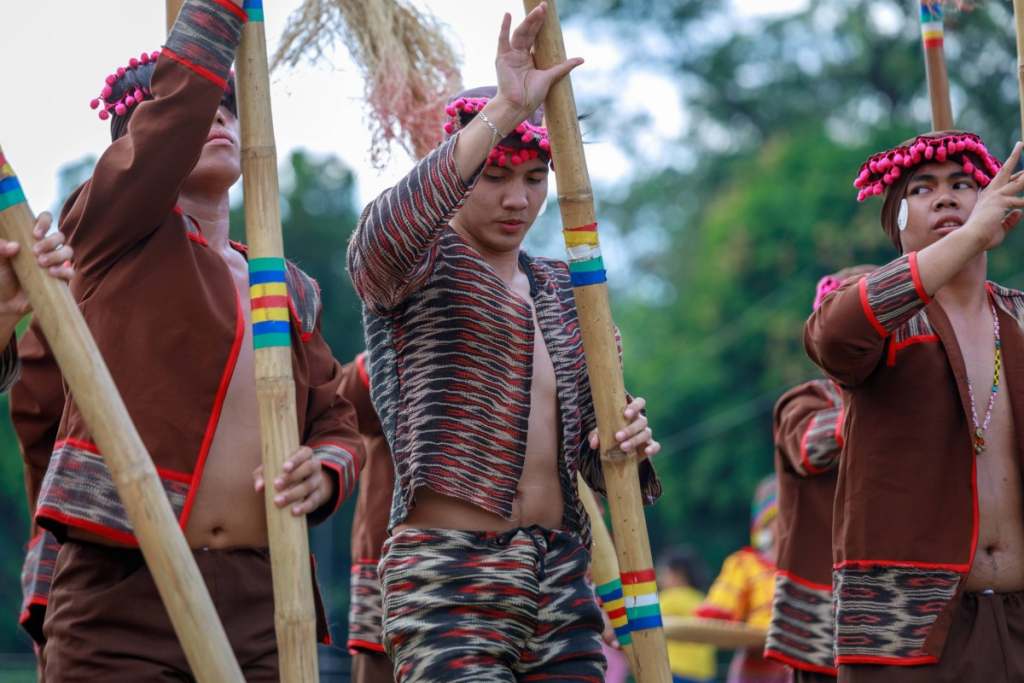
The Philippines has a branding problem, not in the damaging sense, but in the incomplete sense. Anyone who has scrolled through travel content about the country has been served the same visual diet: turquoise water, limestone cliffs, powdery sand.
All of it real, all of it incredibly beautiful. But that framing accounts for maybe ten percent of what makes the Philippines worth a serious trip. The other ninety percent involves indigenous communities keeping centuries-old textile traditions alive, rice terraces carved into mountains over 2,000 years ago, and a cultural landscape built from over 180 distinct languages and ethnic groups. It possesses a diversity that most visitors fly straight over on their way to the beach.
Sustainable cultural tourism in the Philippines is growing, and it’s worth paying attention to. Getting into the country is straightforward because the Philippines operates a digital entry system, and sorting your documentation before departure is simple when you use eTravel for Philippines with HandleVisa to process your arrival card ahead of time rather than scrambling with paperwork at the airport.
The Ifugao and the Rice Terraces of Banaue
If there’s one place in the Philippines that completely reframes what a cultural experience can be, it’s the Cordillera region in northern Luzon. The Banaue Rice Terraces, carved into the mountains by the Ifugao people approximately 2,000 years ago, are a UNESCO World Heritage Site, but more importantly, they’re a living agricultural system still actively maintained by the communities who built them.
Sustainable tourism here means community-guided treks through working terrace systems, staying in locally owned guesthouses, and putting money directly into the hands of Ifugao families rather than large tour operators based in Manila. Several community programs now run weaving demonstrations and cultural immersion experiences that give visitors insight into how the Ifugao’s relationship with the land actually functions, rather than a surface-level photo stop.
The terraces face real pressure from declining interest among younger generations in maintaining them, and from climate-related disruptions to the water systems that keep them alive. Tourism revenue, directed thoughtfully, has become one of the tools being used to make traditional farming economically viable enough to continue. That makes how you spend your money here unusually consequential.
The T’boli and Their Dreamweavers
In South Cotabato on the island of Mindanao, the T’boli people maintain one of the most remarkable textile traditions in Southeast Asia. T’nalak cloth is woven from abaca fiber using a resist-dyeing technique, and T’boli master weavers (known as dreamweavers) traditionally create their patterns from dreams rather than set templates. Every piece is unique.
Community-based cultural tourism around Lake Sebu gives visitors direct access to weaving demonstrations and the opportunity to purchase textiles from the artisans themselves. This matters more than it might seem. The textiles sold at airport gift shops are typically machine-produced imitations that share nothing but a passing visual resemblance with the real thing. Going to the source is both a more honest transaction and an incomparably better experience.
Batanes, The Cultural Pocket
Batanes, the northernmost province of the Philippines, sits closer to Taiwan than to Manila and operates on an entirely different rhythm from the rest of the archipelago. The Ivatan people built their culture around the realities of living in one of the most typhoon-prone areas on the planet. Their traditional stone houses are called sinadumparan and were engineered to withstand extreme weather and have been doing exactly that for centuries.
Tourism in Batanes has remained deliberately small in scale, partly by circumstance, because getting there requires a flight from Manila with limited availability. It is also partly by community intent. Local residents have been vocal about not wanting the kind of rapid development that has altered the character of other Philippine destinations. Travelers who make the effort to get there consistently describe a pace and cultural integrity that’s very hard to find elsewhere in the region.
Vigan’s Colonial Heritage
Vigan in Ilocos Sur is one of the best-preserved colonial towns in Asia, with a UNESCO World Heritage designation to match. Its cobblestone streets and Spanish-era architecture attract significant visitor numbers, and the sustainable tourism conversation here centers less on protecting nature and more on managing built heritage responsibly.
Local advocacy groups have pushed back against the commercialization of the town’s historic core, working to restrict vehicle traffic in key areas and ensure that the horse-drawn carriage rides meet proper animal welfare standards. The crafts produced in Vigan, including burnay pottery and abel woven fabric, are true local products with long documented histories. Buying from artisan cooperatives rather than generic souvenir shops is a simple choice with a real impact.
How to Approach Sustainable Cultural Tourism
Community-based tourism experiences across the Philippines generally require more advance planning than standard resort travel. Many programs operate with limited capacity by design, and some require booking directly through local community organizations rather than through mainstream travel platforms. In short, its not easy! But the payoff is well worth it.
The peak tourist season runs from November through April when weather is most predictable across the majority of the archipelago. If your focus is cultural rather than beach-oriented, the shoulder months offer a compelling alternative when crowds are thinner at heritage sites, and navigating between destinations tends to be more manageable.
Learning even a handful of words in Filipino, or in the regional language of wherever you’re headed, shifts how interactions unfold in ways that are hard to overstate. And asking before pointing a camera at people is basic respect that goes a long way.
The Philippines holds cultural experiences that stand up to anything else in Southeast Asia. The work is simply convincing travelers to look past the beach imagery long enough to find them.