


It’s unsurprising to learn that Munich residents drink more beer than anywhere else in the world, after all the Oktoberfest is the world’s biggest annual beer festival, and their beer is governed by strict purity laws. You could be forgiven for thinking that the Bavarian capital is just about booze, but as I found out during a whistlestop 48 hours in Munich, the city has rather more to offer.
The first thing to do is grab yourself a Munich City Pass or a Munich City Card. With prices starting about a fiver, these allow free travel on the local metro, trams, buses and trains, as well as free, or reduced-price admission to scores of museums and attractions.
Day One
10am: After breakfast, jump aboard one of the Munich Hop-On Hop-Off open-top double-decker sightseeing buses, it’s free with your City Pass, near the main railway station for an hour-long trip to familiarise yourself with Munich. There are three different routes (Red, Purple and Blue) each lasting about an hour. I take the Red One round the city centre, while the Purple one goes out to the Olympic Park and the Blue one passes the Englischer Garten.
11am: Bus trip over, stroll leisurely up to Marienplatz, the traffic-free square in the centre of the city. During the Middle Ages, jousting tournaments were held here but now it’s full of smart shops, several bars and a few buskers.
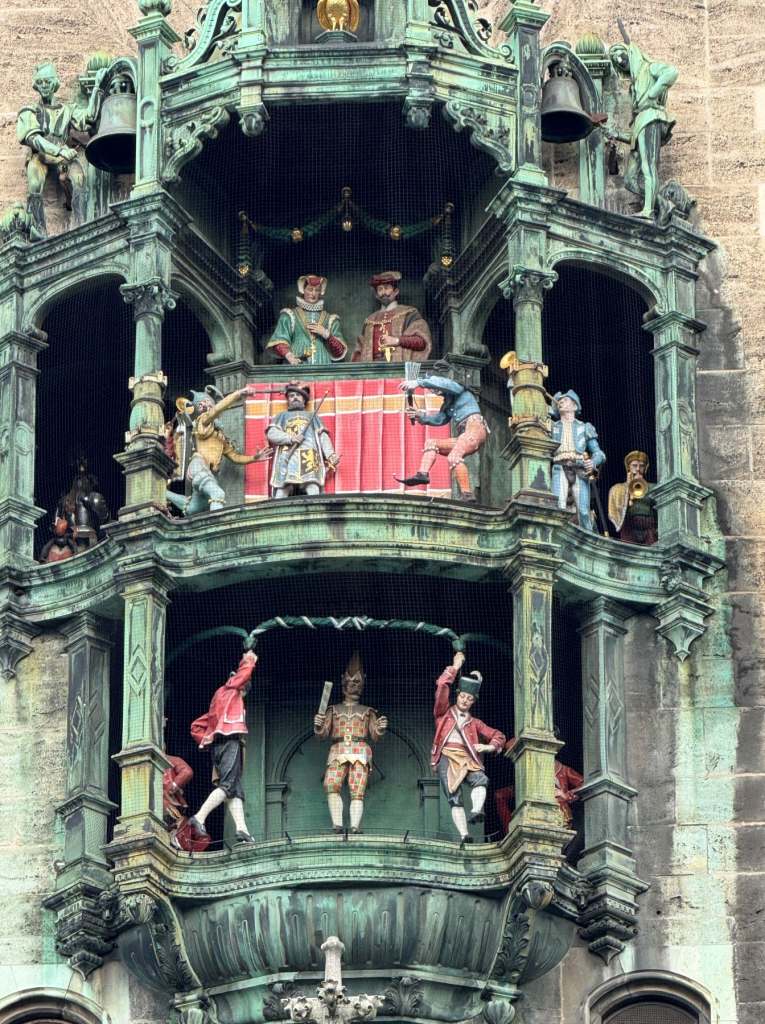
Noon: Make sure to be outside the town hall to watch the amazing glockenspiel clock spring into life after chiming 12 times. For 15 minutes, mechanical figures emerge to act out historical tales about the city in the 16th century.

12.30pm: Nip round the corner to find the small but fascinating Beer and Oktoberfest Museum, tucked away down a little alley.
Here you will learn how the city’s six major breweries draw Ice Age water from 250m deep wells, and, under 16th century Bavarian purity laws, are only allowed to add barley and hops.
There’s also an interesting history of Oktoberfest, the world’s largest beer festival, when some seven million people flock to Munich for 16 days of non-stop drinking and partying.
The museum has a bar and restaurant, making it the ideal spot for lunch. You can grab a couple of Bavarian white sausages with a pretzel and a beer for 10.5euros.
2pm: Back to the town hall to join a fascinating two-hour walking tour of the old city with an English-speaking guide. Book in advance, but it’s free with the Munich City Pass.
You’ll see the Frauenkirche, the15th century Gothic cathedral, with its distinctive twin onion-domed towers and learn the legend of the mysterious Devil’s Footprint in the entrance hall.
A few minutes away is the Residenz Palace, the magnificent home of Bavarian dukes and kings from 1508 to 1918, meticulously restored to its former glory after being almost destroyed during the second world war.
And just time to pop into the Hofbrauhaus, which boasts that it is “the world’s most famous tavern”. But more of that this evening.
4pm: After all that walking, relax in the Japanese Tea House, in the Englischer Garten, which, at more than 5km long, is one of the world’s largest city parks.
7pm: Back to the Hofbrauhaus for a traditional German dinner and to sample some of their excellent beer. The city’s biggest tourist attraction, Wolfgang Amadeus Mozart, Vladimir Lenin and Adolf Hitler have all drunk there over the years since it opened in 1897.
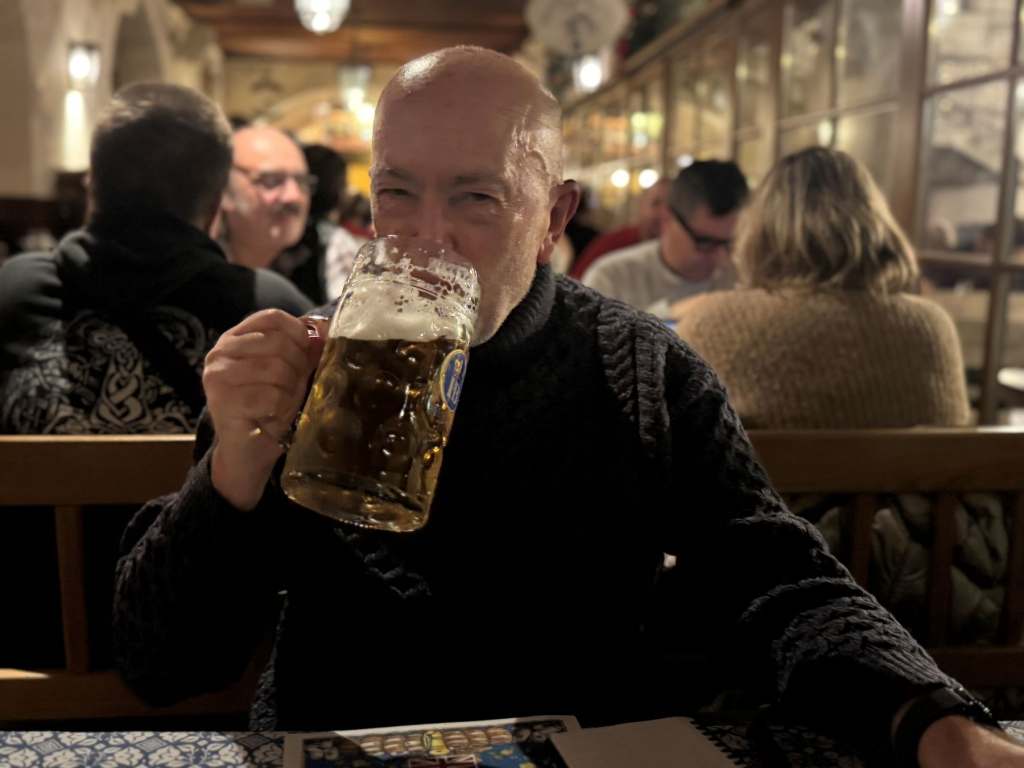
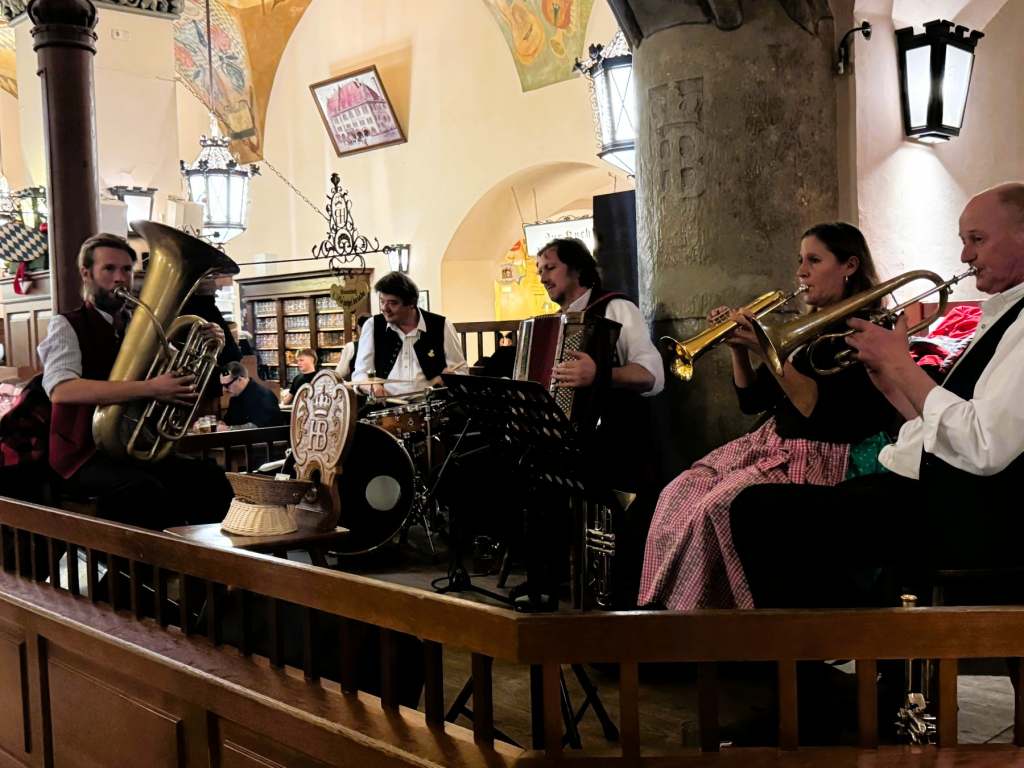
The place can seat 1,300 and a brass band plays jovial Bavarian drinking songs while waiters, dressed in traditional lederhosen, and waitresses, wearing dirndl skirts, scurry round carrying perhaps a dozen dimpled-glass beer mugs, known as masskrugs, all full to the brim.
I’m told the record is 18, and with each litre glass of beer weighing 2.5kg, that takes some doing. Especially as the waiting staff take pride in not spilling a drop.
As for dinner, well, I recommend their speciality pork knuckle, served with homemade dark sauce and potato dumpling. Absolutely scrumptious. But beware of the beer; take my word, it is deceptively strong!
DAY TWO
9.26am: A rather sobering experience today as you hop on a train to Dachau, some 12 miles away. The City Pass covers the fare, entry is free and there’s a free English language tour every morning at 11am, although it is advisable to book ahead.
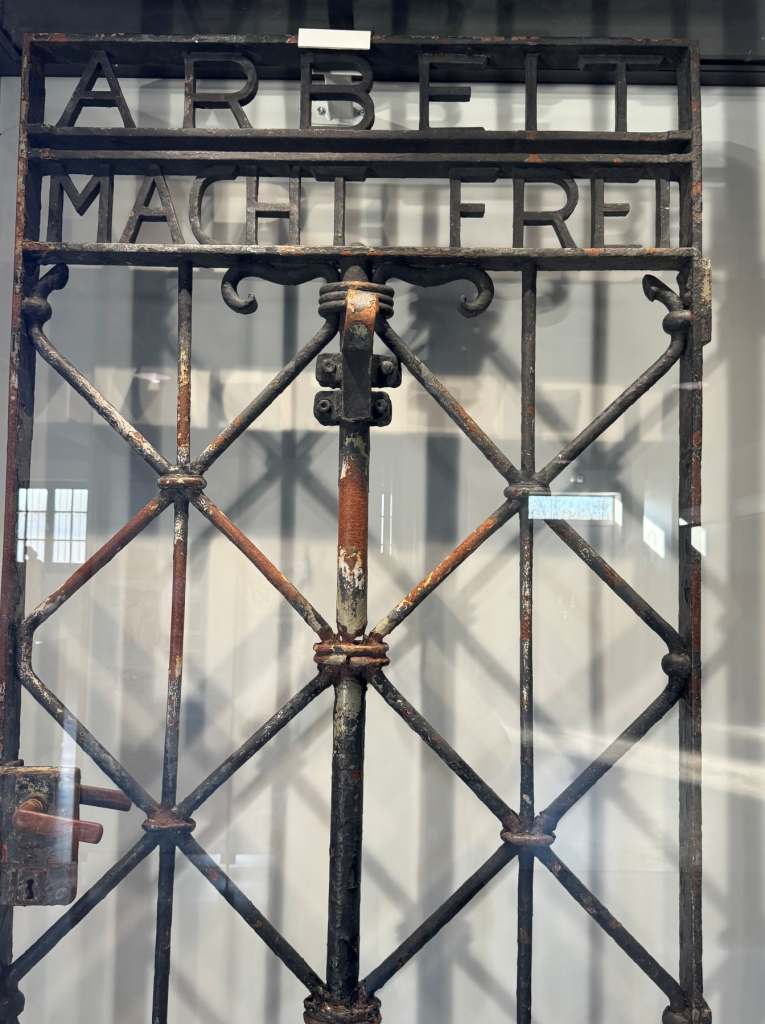
Munich is where Hitler and the Nazis came to power during the 1920s and as the second world war loomed Dachau, built in 1933 as a “re-education camp” for their political opponents – described as “grumblers” or “rabble-rousers” – became the model for Germany’s concentration camps.
By the time the fighting was over, more than 200,000 prisoners including Jews, homosexuals, gypsies and “dissidents” from all over Europe had been incarcerated here. Around 43,000 died, most from malnutrition or disease, rather than actually being executed.
Many though did meet their end in the grim gas chambers, which were capable of “exterminating” up to 150 people in just 20 minutes. You can walk through them past the sign saying “Brausebad”, which means “Showers”. But once unsuspecting prisoners turned the tap, it was prussic acid poison gas rather than water which gushed out.
Next door was the camp’s crematorium, with its five furnaces, ready to get rid of the bodies.
When horrified US soldiers finally liberated Dachau on April 29, 1945, they discovered more than 30 railway trucks parked nearby full of dead bodies while some 30,000 starving prisoners were still locked inside the camp.
The tour takes two hours, and you need at least another hour to visit various exhibitions scattered through the site.
Then after a late lunch in the visitor centre cafeteria, instead of taking the bus back to the railway station, stroll there along the Path of Remembrance which follows the route SS officers once marched terrified prisoners the other way.
4pm: Squeeze in a trip round the Bayern Munich football team’s Allianz Arena.
See some of the many trophies won by the Germany’s most successful team in the museum, before a 60-minute guided tour of the stadium. Again, all free with the City Pass.
7.30pm: Time for some culture at Munich’s National Theatre – the country’s biggest opera house and one of the Europe’s most beautiful theatres. There’s invariably a concert, ballet or opera being performed with the Bayerische Staatsorchester, which recently celebrated its 500th anniversary, making it one of the world’s oldest and most traditional ensembles.
11pm: A taxi back to the hotel after your 48 hours in Munich. You’ve seen a lot, yet barely scratched the surface of this fascinating Bavarian city. So next time, best linger a little longer!
48 Hours in Munich
For more details of what to do in 48 hours in Munich, check out: www.muenchen.de/en/home