


Active travel takes on a different meaning over time. It’s less about ticking off big-name experiences and more about exploring places that require some effort, whether that’s altitude, terrain, or simply staying engaged for long stretches of the day. Some trips focus on steady physical challenges, while others combine activity with wildlife or changing landscapes.
The five destinations below, from high Himalayan lakes to African rivers and Andean trails, ask something of you physically while offering a close-up view of how these places function day to day.
Trekking the Remote Gokyo Lakes in Nepal
A trek to the Gokyo Lakes begins with a flight into Lukla, which sets the tone straight away. The runway is short, and once you’re off the plane, everything feels pared back. From there, the trail passes through places like Phakding and Namche Bazaar, where the Saturday market draws local traders who carry goods up from the lower valleys. Namche sits in a natural bowl, with bakeries, gear shops, and stone houses stacked along the slope.
Further up, the landscape opens out. The route toward Gokyo passes through Dole and Machhermo, where lodges thin out, and the air becomes noticeably sharper. By the time trekkers reach the first of the lakes, the setting is quieter than the Everest Base Camp trail. The turquoise water at Gokyo, with Cho Oyu rising behind it, is a view that stays with you long after the trek is over.
If you’re keen to experience the Gokyo Lakes trek, it helps to understand the key details. The trek typically takes around 12 to 14 days, including acclimatisation stops in Namche Bazaar and Machhermo. Daily walking usually ranges from five to seven hours, often on uneven terrain with steady altitude gain. Lodges are pretty basic, with shared dining areas where trekkers gather in the evenings. Guides usually monitor oxygen levels and pace the ascent carefully, which is crucial once you pass 4,000 metres.
Ice Climbing and Glacier Hiking in Iceland
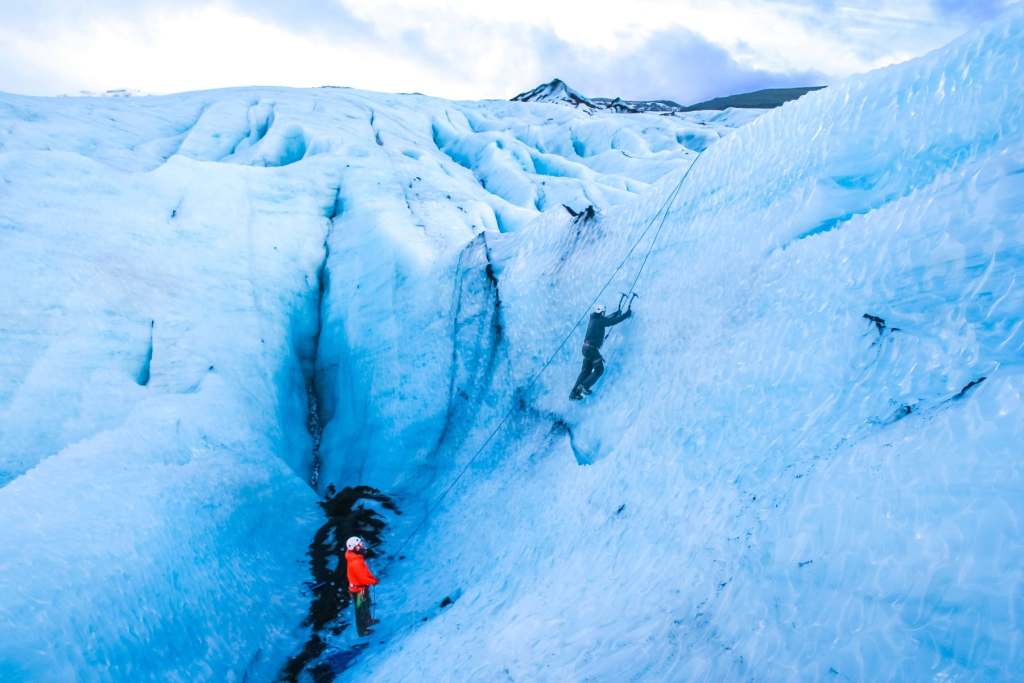
Ice climbing and glacier hiking in Iceland usually begin on the country’s south coast, where some of the most accessible ice formations sit just off the Ring Road. Sites like Sólheimajökull are often used for guided climbs, with equipment fitted at the base before stepping onto the ice. The glacier surface shifts depending on conditions, with compact blue sections, shallow crevasses, and ridges that guides use to introduce basic climbing techniques.
On the ice, conditions shift depending on the season. Guides cut steps into the surface and fix ropes along steeper sections. The ice itself varies in colour, from dense blue sections to softer, white layers where air has been trapped. Crampons grip the surface, and the movement becomes steadier as you get used to the footing.
Vatnajökull, further east, offers a different scale. Near Skaftafell, trails lead to glacier tongues where guided hikes start early in the day. Ice caves form during the winter months, with narrow entrances that open into wider chambers. It’s a more technical experience, with guides explaining how the glacier shifts over time.
Family Wildlife Safaris in South Africa
Johannesburg often acts as the entry point for South African safaris, with OR Tambo International Airport connecting to smaller regional airports. From there, areas like Hoedspruit and Skukuza lead into the Greater Kruger region. Roads within Kruger National Park are mostly well-maintained, with clear signage between rest camps such as Lower Sabie and Satara.
Game drives usually start early, when animals are more active. Guides track movement across open plains and riverbanks, pointing out details that are easy to miss from a distance. Around the Sabie River, sightings often include elephants moving between water sources, while lions tend to rest under trees during the heat of the day.
The most amazing family safari holidays in South Africa focus on well-run reserves with experienced guides and flexible game drives, often adapted for children, along with guided bush walks in controlled areas. Vehicles are open-sided, allowing for clear views while also exposing you to the weather.
Between drives, many lodges include educational sessions on wildlife tracking, conservation, and local ecosystems, helping younger travellers engage with more than just the sightings.
White Water Rafting the Zambezi River
Victoria Falls is hard to ignore when you arrive for white-water rafting on the Zambezi River. The sound carries through town, especially near the entrance along Livingstone Way. The falls sit on the border between Zambia and Zimbabwe, with viewpoints like Knife-Edge Bridge offering a direct look into the gorge below.
The rafting section starts downstream from the falls, where the Zambezi narrows and picks up speed. Rapids here are graded among the highest commercially run in the world. Names like “The Washing Machine” and “Oblivion” reflect how powerful the water can get during peak flow season.
Rafting trips usually begin with a steep descent into the gorge, which can feel harder than the rafting itself. Once on the water, guides run through safety briefings before setting off.
Between rapids, there are calmer stretches where you can look up at the basalt cliffs rising on either side. At the end of the run, the climb back out is long and exposed, especially in the heat. It’s one of those days where the physical effort doesn’t really stop.
Mountain Biking through the Peruvian Andes
Cusco sits at over 3,300 metres, and it takes a day or two to adjust. Streets like Calle Hatunrumiyoc, with its precisely cut Inca stone walls, are a good place to start getting used to the altitude. Outside the city, the terrain changes quickly.
Mountain biking routes often begin near Abra Málaga, a high pass where the air is thin, and temperatures drop. From there, trails descend through cloud forest, passing small villages and roadside markets selling fruit and basic goods. The surface varies between gravel, dirt tracks, and occasional paved sections.
In the Sacred Valley, areas around Ollantaytambo and Maras offer more technical riding. The salt terraces at Maras, still in use today, sit in stepped formations along the hillside. Trails nearby cut across open land with views of the Urubamba River below.
Riders often stop in villages along the way, where daily life continues without much attention to passing bikes. It’s a demanding ride in places, especially with the altitude still in play, but it gives a close look at how people live across this part of the Andes.
Ready to push your physical limits?
If you want to challenge yourself on your next big adventure, these trips are worth considering. Nepal brings altitude and long days on foot. Iceland focuses on technical movement across ice. South Africa combines early starts with time spent outdoors tracking wildlife. The Zambezi tests endurance with fast-moving water and steep terrain, while the Andes add altitude to already demanding rides.
Whether you prefer steady, multi-day effort or shorter bursts of intensity, these are trips you’ll definitely remember long after they’re over.