


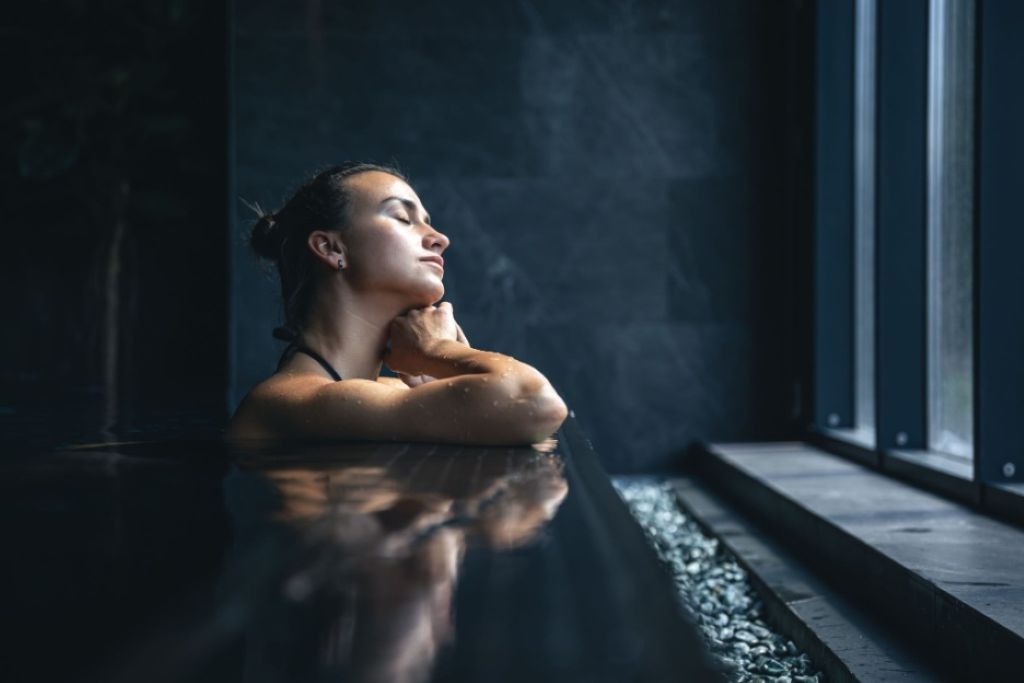
Miami runs hot in every sense. The city throws blazing sunshine at relentless social schedules, and somewhere between the beach clubs and business meetings, visitors realized they needed proper recovery time. The spa scene here grew to match that intensity. These transcend quiet rooms with whale sounds playing.
Miami’s wellness culture evolved past the basic hotel massage setup. The top places now compete on actual clinical know-how rather than just pretty decor. Treatments blend European methods with Latin American traditions, creating something that goes well beyond simple relaxation.
Enhancing luxury spa experiences starts with choosing the right service combinations for specific wellness goals.
What Makes Miami Spas Different
Geography shapes the whole game here. Living between ocean salt air and punishing humidity while getting hammered by UV rays year-round does a number on skin. Local spas figured this out and started developing treatments that actually counter these specific stresses instead of importing generic luxury formulas from colder climates.
Brickell and Sunny Isles Beach became the main wellness corridor. The serious operations here sprawl across 20,000 square feet or more—massive facilities with multiple treatment wings. The Miami luxury spa blueprint includes thermal contrast zones, oceanfront chill-out areas, and treatment menus pulling from half a dozen different countries.
The gap between premium spots and basic hotel offerings comes down to staff credentials, professional-grade equipment, and whether they’re actually tracking outcomes. Better locations hire licensed therapists who’ve done specialized training in sports recovery, post-surgical work, and therapeutic lymphatic drainage instead of just someone who took a weekend certification course.
How Treatments Actually Work Here
Swedish massage still shows up on menus, but most clients skip it for targeted sessions. Deep tissue work goes after specific muscle problems. Lymphatic drainage helps bounce back from flights, late nights, and general travel punishment. Sports massage mixes stretching with serious pressure work – athletes and active travelers use it to stay mobile during trips.
Facials borrowed heavily from medical aesthetics. LED panels stimulate collagen. Microcurrent devices tone facial muscles. Chemical peels use clinical-strength formulas that need proper aftercare protocols. The consultations, custom plans, and follow-up schedules make these treatment rooms feel more like a dermatology clinic than a day spa. According to the American Academy of Dermatology, professional facial treatments can significantly improve skin texture and reduce visible signs of aging when performed consistently.
Heat, Cold, and Water Therapy
Modern spas don’t involve just massage tables. Thermal contrast therapy cycles between hot and cold to boost circulation, cut inflammation, and speed recovery. Standard sequence: dry sauna, then steam room, then cold plunge, repeated a few times.
The Global Wellness Institute reports wellness tourism hit $639 billion in 2023, with thermal bathing among the fastest-growing segments. Miami grabbed serious market share by taking European traditions and dropping them into beachfront settings.
Himalayan salt rooms let guests breathe in minerals. Crystal steam rooms mix heat with aromatherapy. Experience showers alternate water temperature and pressure to wake up the nervous system.
Couples Treatments Beyond Romance
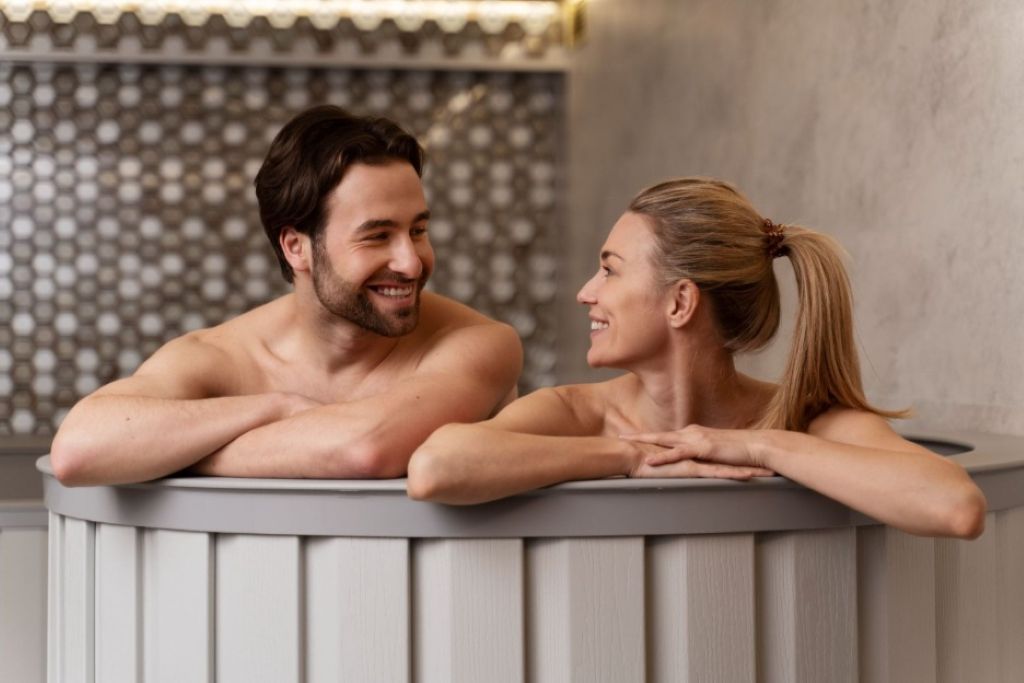
Source: Freepik.com
Miami pulls in couples wanting shared wellness time. Private suites fit two people with side-by-side beds, dedicated therapists for each person, and longer time blocks. Most include steam showers, private outdoor space, and separate areas to decompress afterward.
The couples category expanded past anniversary trips. Business partners book joint sessions after conferences. Mothers bring daughters, fathers bring sons. Sharing the experience creates connection while still addressing individual needs.
Expect higher pricing for couples work: premium space and coordinating two therapists costs more. Smart move: schedule Tuesday or Wednesday instead of weekends. Skip the premium rates and packed facilities.
Booking Without Getting Ripped Off
November through April brings northern visitors flooding Miami, which means packed spas. Summer offers better availability and occasional deals, though pool traffic picks up during peak afternoon hours.
Book ahead. Popular therapists and prime slots disappear weeks out, especially Friday through Sunday. Weekday mornings give the quietest experience with the cleanest facilities.
Packages cost less per treatment but come with fixed menus. Multi-day passes make sense when staying three nights or longer. Individual bookings run higher but let guests pick their preferred therapist and exact services.
Recovery Programs That Actually Help
Post-flight protocols tackle circulation problems, dehydration, and jet lag. Lymphatic drainage brings down leg and foot swelling. Scalp work kills headache tension. Stimulating aromatherapy oils help reset scrambled sleep patterns, making spa treatments particularly valuable for post-travel recovery.
Athletic recovery targets sore muscles, stressed joints, and overuse injuries. Deep tissue breaks up adhesions. Stretching improves range of motion. Sports massage runs completely different from relaxation work – heavier pressure, faster pace, specific outcomes.
Miami’s spa world sits where luxury travel meets real wellness. The city draws people who treat self-care like necessary maintenance rather than occasional treats. That clientele pushed facilities toward better standards, stronger training, and results guests can actually measure.