


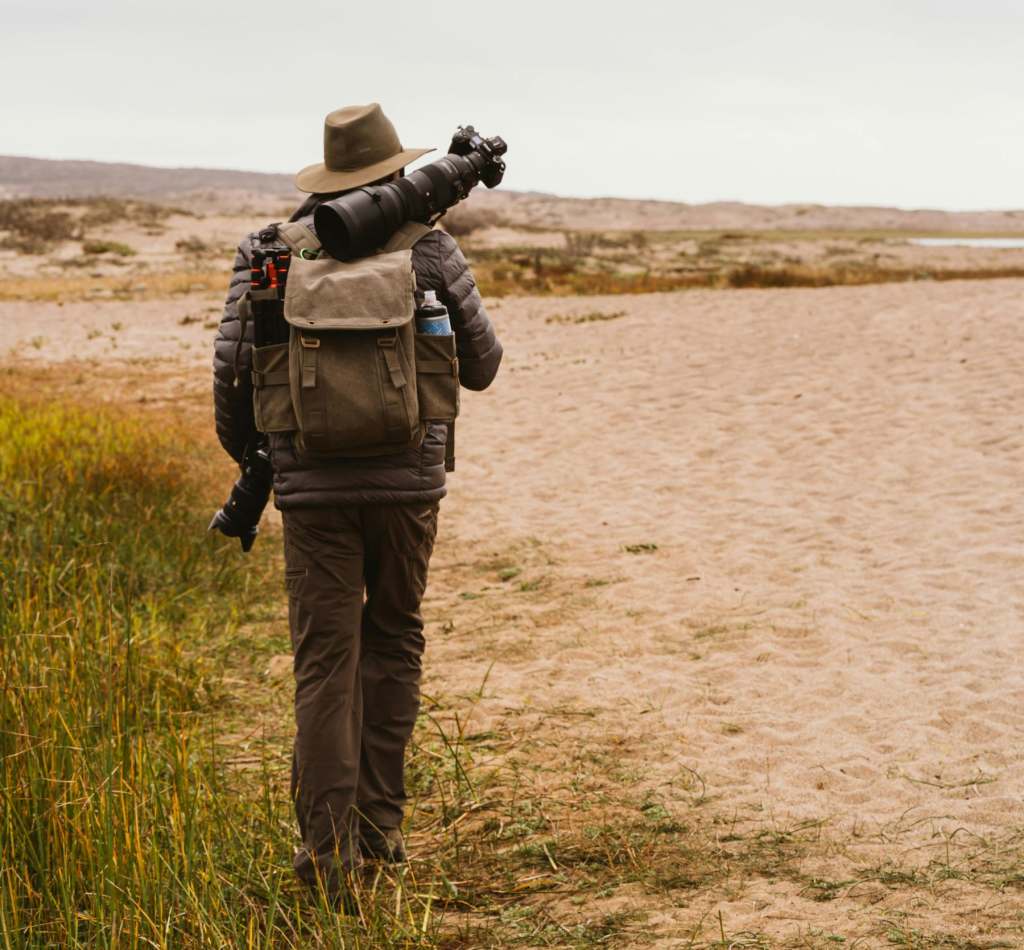
Most hiking emergencies do not begin as disasters. They usually begin as small problems — a missed turn, changing weather, wet gear, dehydration, or fading daylight. The Mountaineers, a Seattle climbing club, assembled the original Ten Essentials in the 1930s to answer two important questions: Can a hiker prevent an emergency, and can a hiker survive one if it happens anyway? The modern list groups gear into 10 essential systems, and every item earns its place by mattering most on the worst day of a trip. A 2021 study of day hikers found that the people who carried more of these systems faced fewer situations they could not handle. The 10 backpacking essentials below belong in every wilderness pack, whether for a summer trek, winter hike, short trail, or multi-day backpacking trip. The first five help prevent and manage emergencies, while the last five help a hiker survive an unexpected night outdoors.
- Reliable Navigation
Navigation keeps a hiker found. A paper map of the area and a basic compass weigh almost nothing and need no battery, which matters when a phone dies in the cold or loses signal in a canyon. A GPS unit or phone app adds convenience on top of the map and compass, as long as the underlying skill is there. The hiker who can read terrain and follow a bearing stays oriented when the screen goes dark. A whistle and a charged phone round out the system, since signaling for help is part of staying found.
- Sun Protection
Sun protection guards skin and eyes against UV radiation, which intensifies with altitude and bounces off snow and water. A sunscreen rated SPF 30 or higher, sunglasses that block UVA and UVB, and a wide-brimmed hat cover the basics. Reapply the sunscreen every couple of hours, since sweat and water strip it faster than the label suggests. Clothing with a UPF rating extends that protection without reapplication. Sunburn and snow blindness are avoidable injuries that can still end a trip, and the gear to prevent them weighs almost nothing.
- Insulating Layers
Insulation covers the gap between the temperature at the trailhead and the temperature on an exposed ridge at dusk. An extra warm layer, packed even on a warm forecast, handles a sudden drop, a long delay, or an unplanned night out. Wool and synthetic fills keep warming when damp, while down loses loft once wet. Mountain weather changes faster than valley forecasts predict, so the spare layer belongs in the pack even when the forecast looks mild.
- A Dependable Headlamp
Illumination means a headlamp rather than a phone flashlight. A headlamp frees both hands for setup, cooking, or first aid after dark, and it spares the phone battery a hiker may need for an emergency call. Trips take longer than planned more often than they finish early, and a wrong turn or a slow descent can put the last miles after sunset. Pack spare batteries and confirm they work before leaving, because a dead light is the same as no light.
- A Cutting Tool and Repair Kit
The tools system covers cutting and repair, the quiet work that keeps a trip moving. A blade opens food, cuts cord and tape, trims moleskin, and prepares kindling, while a small repair kit of duct tape, cordage, and a needle fixes a torn pack or a broken strap. A folding knife, a multi-tool, or everyday carry knives cover most field tasks, and a multi-tool adds pliers and a driver for stove repairs. A single reliable blade, packed every trip, prevents a small failure from ending the day.
- First Aid Supplies
A first aid kit handles the injuries that actually happen on the trail, which are blisters, cuts, sprains, and minor burns rather than serious emergencies. A basic kit holds blister dressings, tape, antiseptic, gauze, and any personal medications. Knowing the basic first aid steps matters as much as carrying the kit, so a short course is worth more than a heavier kit. Refill the kit after every trip so the next one starts complete.
- Fire and Ignition
Fire provides warmth, a way to dry out, and a signal in an emergency. Pack a pair of ignition sources, such as a windproof lighter and waterproof matches, plus a fire starter that lights wet wood. Store them in a waterproof container, because a soaked match is useless. Check local fire restrictions before the trip, since burn bans are common in dry months and often come with steep fines.
- High-Calorie Food
Nutrition on a long day means carrying more food than a hiker expects to need. Backpacking can burn 2,500 to 4,500 calories a day, and an extra day’s worth of calorie-dense food covers a delay or an unplanned night outdoors. Nuts, dried fruit, nut butter, energy bars, and freeze-dried meals pack the most energy per ounce. Food that needs no cooking is the safest backup, because it still works when a stove fails or fuel runs out.
- Water and Treatment
Hydration keeps the body and the mind working properly. A hiker loses 0.5 to 1 liter of water an hour in heat, and even mild dehydration clouds judgment before it is felt as thirst. Plan the route around known water sources and carry enough to reach the next one safely. Drinking small amounts often beats draining a full bottle at camp. A filter or chemical tablets treat backcountry water, and a backup method matters because a single filter can clog or freeze. On long, hot days, the body must replace nutrients lost in sweat, since water alone cannot restore the sodium balance.
- Emergency Shelter
Emergency shelter turns an unplanned night from a crisis into an inconvenience. An emergency space blanket weighs only a few ounces, a bivy sack adds more protection, and an ultralight tarp with cord can cover a group. Any of them blocks wind and rain and traps body heat when a hiker is stranded or injured. This is the system most often skipped and most regretted, because the night a hiker needs it is never the night they planned for. Stored at the bottom of the pack and forgotten until needed, it is one of the cheapest forms of insurance a hiker can carry.
Packing the List Every Time
The Ten Essentials work as a system because the items support each other. Navigation prevents the wrong turn that strands a hiker, and shelter, fire, and insulation keep that hiker alive until morning if it happens anyway. None of these items is expensive, and the full set weighs only a few pounds. The discipline is packing them every trip, even the short ones, because the easy day hike is exactly where hikers often leave safety gear behind. A backpack built around these 10 essential systems can handle most trail emergencies before they become serious.
Conclusion
The best backpacking gear is not always the most expensive or the lightest. The gear that matters most is the gear that helps a hiker stay safe, prepared, and capable when conditions suddenly change. These 10 backpacking essentials have remained important for decades because they solve the most common problems hikers face in the wilderness, from navigation mistakes and bad weather to dehydration and unexpected delays. Carrying them on every trip builds good habits, improves wilderness safety, and turns small setbacks into manageable situations rather than emergencies. Whether heading out for a short day hike or a multi-day backcountry adventure, packing these essentials is one of the smartest decisions any wilderness hiker can make.