


Movies and TV series can change how people see a place. A beach, castle, hotel, street, or desert may already have local value, but once it appears on screen, it can become part of a global travel story. This trend is often called set-jetting, meaning travelers choose destinations because they recognize them from films or TV.
The trend has grown as streaming platforms, movie discovery sites such as 123movies, and social media make filming locations easier to identify and share. For destinations, this attention can bring tourism revenue, guided tours, hotel demand, and wider recognition. It can also create pressure when visitor numbers rise faster than local communities can manage.
How Screen Tourism Turns Places Into Travel Landmarks
A location becomes more than a backdrop when audiences connect it with a memorable story. New Zealand is one of the clearest examples. Its landscapes became strongly linked with fantasy cinema, and places such as Matamata and Tongariro National Park gained long-term appeal among travelers interested in real filming locations. Hobbiton became a permanent attraction with guided tours and themed experiences.
Dubrovnik in Croatia followed a similar path after being used as a major filming location for Game of Thrones. Its old town already had strong historical value, but screen exposure gave it a second identity as a fan destination. Visitors began booking walking tours that connected city landmarks with scenes from the show. This brought economic benefits, along with concerns about crowd control.
Wadi Rum in Jordan shows how repeated appearances can shape a destination’s image. Its red desert and rock formations have often been used for science fiction and adventure settings. Over time, the area became familiar to viewers as a cinematic desert landscape, increasing demand for jeep tours, overnight camps, and film-related itineraries.
Cities, Hotels, and Small Towns With Screen Appeal
Large cities often benefit from repeated screen exposure because they offer many recognizable sites. New York, Paris, and London have appeared in many productions, making them natural destinations for themed walking routes. A traveler in London might visit King’s Cross Station because of its Harry Potter connection, then combine that stop with other screen-linked landmarks. This shows how film tourism often blends with traditional sightseeing.
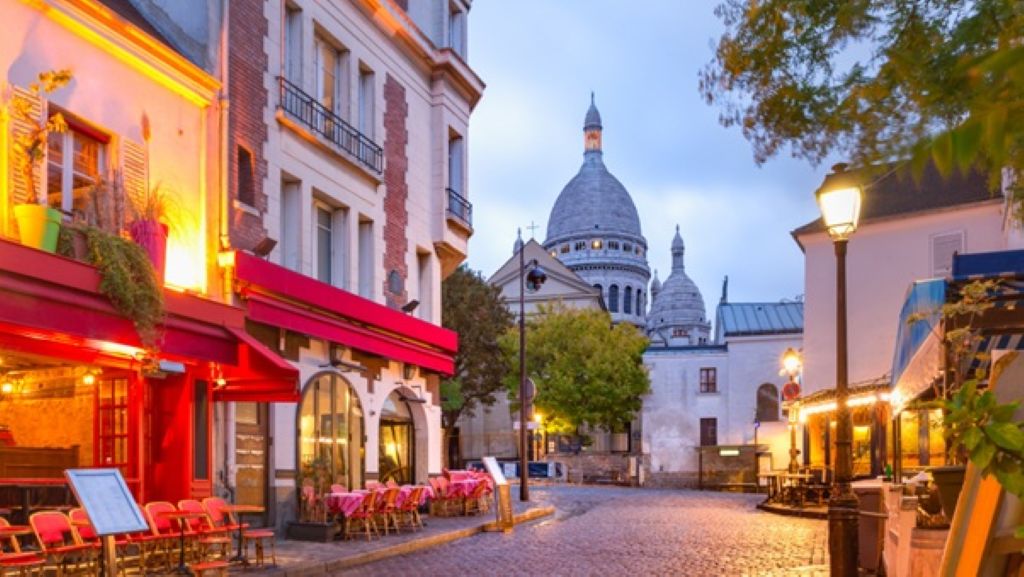
Paris already had global recognition, but recent television exposure renewed attention around specific neighborhoods, cafes, streets, and squares. Visitors may not travel only because of one show, but entertainment platforms and film catalog sites such as spacemov can still influence which screen-linked places people choose to research first.
Hotels can also become part of set-jetting. Properties in Hawaii and Sicily gained extra attention after appearing in The White Lotus. In these cases, travelers may want to stay at, photograph, or visit the exact property shown on screen.
Small towns can feel the impact even more strongly. Forks, Washington became associated with Twilight, leading local businesses to adapt with themed tours and merchandise. Darby, Montana also gained attention because of Yellowstone.
5 Factors That Help Screen Locations Become Travel Hotspots
- Visual distinctiveness
Unusual landscapes, historic streets, coastlines, or recognizable buildings are easier for viewers to remember. - Strong story association
A place becomes more appealing when audiences connect it with a specific screen world or atmosphere. - Easy visitor access
Locations near airports, hotels, transport routes, and guided tours are more likely to attract real visitors. - Local tourism support
Tourism boards, guides, and cultural groups can help visitors understand where scenes were filmed and how to visit responsibly. - Social media visibility
Photos, videos, and fan itineraries can keep a location visible long after a film or series first appears.
Benefits and Risks for Popular Filming Destinations
Screen tourism can support local economies through hotel stays, restaurants, tours, transport, and cultural site visits. It can also bring attention to places that were previously less known internationally. For example, a visitor planning a film-inspired trip to Jordan may add Wadi Rum to an itinerary that also includes nearby historic and cultural sites.
However, rapid popularity can create challenges. Maya Bay in Thailand became heavily visited after appearing in a film, and visitor pressure eventually led authorities to close the site temporarily for environmental recovery. Skellig Michael in Ireland also required stricter visitor controls because of its fragile setting and heritage value.
Online communities such as simpcity can also be useful spaces for travelers to discuss tech tools, maps, and planning resources before visiting screen-famous locations. This matters because screen stories can simplify destinations. A city, island, or village should not be reduced to a single fictional identity.
Conclusion
Destinations that become popular through movies and TV series show how strongly screen culture can influence travel behavior. A filming location can turn into a landmark, a hotel can become part of a travel wish list, and a small town can receive attention from visitors who might never have known it otherwise.
The strongest examples are not only the places that attract fans. They are the destinations that manage interest carefully, protect local character, and give travelers meaningful context beyond the screen connection. Set-jetting is likely to remain important, but its long-term value depends on balance: celebrating the stories that made a place famous while respecting the real communities, landscapes, and histories behind them.