


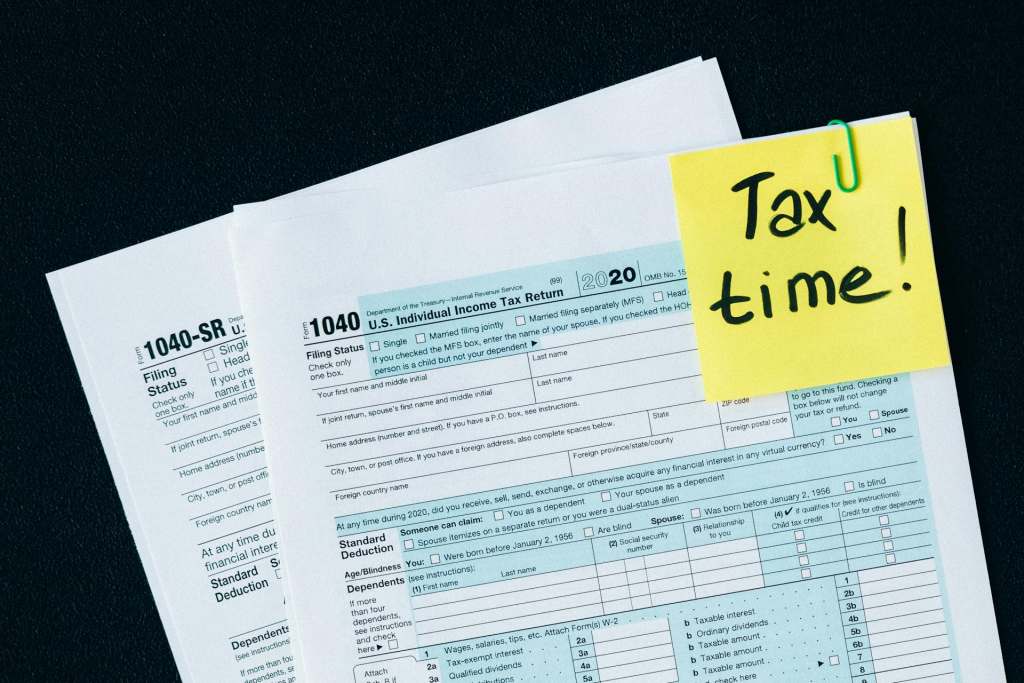
Almost 9 million Americans are living or traveling outside the United States at any point in time. Complying with U.S. tax law when you’re constantly moving around can be stressful. Fortunately, managing your U.S. tax obligations while on long-term travel is achievable with proper processes in place.
This guide will review the essentials regarding U.S taxes during long travel. It covers basics like filing thresholds and processes. The guide can help you maintain compliance regardless of your location.
Understand Your Filing Obligations First
You need to file your federal tax returns regardless of your time spent abroad if your income exceeds the standard filing thresholds. As a United States citizen, your worldwide earnings will be included in your federal taxable income and are, therefore, reportable.
Filing doesn’t mean you automatically owe the IRS money. There are many credits to reduce your taxable income. If appropriately applied to your tax situation, you can avoid double taxation and protect your finances.
Comparing the FEIE and Foreign Tax Credit
The Foreign Earned Income Exclusion (FEIE) and the Foreign Tax Credit (FTC) are both valuable tools for reducing or eliminating your U.S. tax liability for living abroad. The FEIE allows you to exclude a large portion of foreign earned income if you qualify under either the physical presence test (number of days spent living outside the U.S.) or the bona fide resident test.
This tool is especially useful for digital nomads or those working from low-cost countries. The Foreign Tax Credit allows you to use the taxes you already paid in the foreign country to offset your U.S. tax liability. This typically works well for those who live in higher-tax jurisdictions.
Your income profile and time spent doing business in different jurisdictions will affect which tool is right for you. There are situations where using a combination of these tools could produce the best outcome.
FBAR and FATCA Report Requirements You Should Not Forget
Income is not the only thing you must report when you file your taxes. If you maintain funds in foreign accounts, you may need to file other forms in addition to your income tax return.
The FBAR (Foreign Bank Account Report) form must be filed if at any moment during the year, the total value of all your foreign accounts exceeded $10,000. You must also report other foreign assets when you prepare your U.S. income tax return under FATCA rules.
Failure to file these forms could lead to very stiff penalties. Many long-term travelers use online platforms like Expatfile for US expat tax filing. This way, there is a low likelihood of making a mistake. Here are more tips to reduce complications.
- Cut as many formal ties as possible before leaving
- Establish residency in a no-income-tax state if feasible
- Keep clear documentation of your travel and living arrangements
Remember that Federal taxes are only part of the equation. Depending on your last state of residence, you may still have state tax obligations.
Be Aware Of Deadlines
Although living overseas gives you extra time to get things done, deadlines still exist. U.S. citizens living abroad will automatically receive a two-month extension on filing their tax returns. This changes the standard filing deadline from April to mid-June.
In addition, taxpayers who need longer than this may apply for an extension until October. However, interest will begin accruing on any tax owed as of the April filing deadline. To avoid losing track of when to pay your taxes, treat April as your financial deadline, regardless of when you actually file your return.
Simplifying U.S. Taxes While Living and Traveling Abroad
When navigating U.S. tax obligations regarding long-term travel abroad, mastering the myriad of complicated tax laws is not necessary. What is necessary is to understand the basics, build a system that will work wherever you are, and understand your reporting obligations.
This way, the process of completing the required documentation becomes very simple. Seeking professional services is another way to make things even easier.