


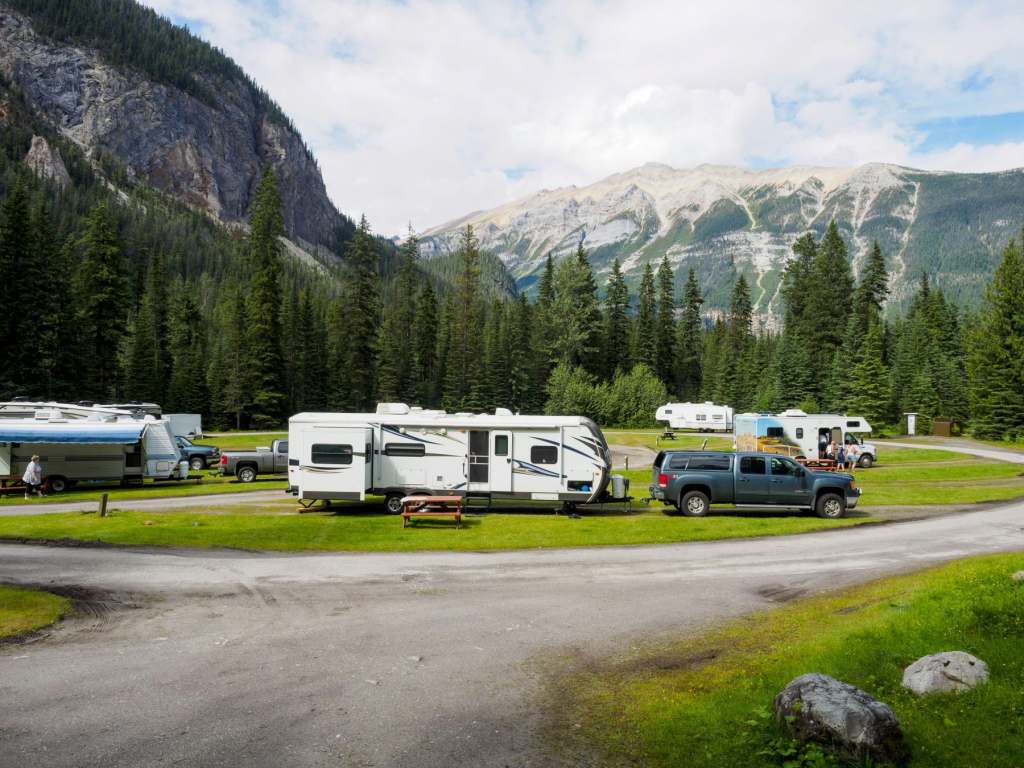
There is a kind of travel no flight or hotel can replicate, waking up somewhere remote, having everything you need, and deciding daily whether to stay or move on or choosing an RV warranty. No checkout times, transfer queues, just the road.
RV travel in America delivers exactly this. And for independent-minded travelers who have already done the conventional trips and want something with more texture and freedom, it tends to become the travel format they wish they had discovered sooner.
Before you start your journey, the number of decisions ahead can feel overwhelming. From choosing your ideal RV to planning a route that fits your vehicle, this guide works through all the essentials to help you move confidently from inspiration to action.
Choosing the Right RV for How You Actually Travel
The biggest mistake first-time RV travelers make is choosing a vehicle based solely on size or price, without carefully considering how they plan to use it. The right RV is the one that fits your travel style, not the biggest one you can afford or the smallest one that fits your budget.
| RV Type | Best For | Pros | Cons | Buy Price Range |
| Class A Motorhome | Extended trips, large families, full time travel | Maximum space, residential amenities, self contained | High fuel cost, challenging to park, expensive | $100,000 to $500,000 plus |
| Class B Campervan | Solo travelers, couples, urban and scenic routes | Easy to drive, fuel efficient, fits standard parking | Limited space, fewer amenities | $80,000 to $200,000 plus |
| Class C Motorhome | Families, first time buyers, versatile travel | Good balance of space and drivability, more affordable than Class A | Less spacious than Class A, moderate fuel economy | $70,000 to $150,000 plus |
| Travel Trailer | Budget conscious buyers, those with a tow vehicle | Affordable, wide range of sizes, unhitch at campsite | Needs capable tow vehicle, requires practice to reverse | $15,000 to $80,000 plus |
| Fifth Wheel | Pickup truck owners, long term stays | Very spacious, stable towing, residential feel | Needs heavy duty truck, hitch takes up truck bed | $30,000 to $150,000 plus |
For independent travelers on extended road trips across varied terrain, the Class C motorhome strikes the best balance of comfort, drivability, and operating costs. It is manageable enough for a first timer to feel confident behind the wheel while still offering enough living space to spend several weeks on the road without feeling cramped.
For couples who want something more nimble and fuel-efficient, a Class B campervan covers everything two people need and fits into spaces that larger rigs cannot reach.
Expert Tip: Rent before you buy. Spending time in both Class C and B models shows what suits your style better than research. Rental platforms let you try a real unit for less and help make decisions based on experience.
What RV Travel Actually Costs
Understanding the real cost of RV travel is key to an enjoyable experience. Expenses include fuel (often the highest ongoing cost), campground fees, insurance, maintenance, and tolls. Factoring these in before your trip helps prevent financial stress during your journey.
| Expense Category | Average Cost | How to Manage It |
| RV purchase or rental | Buy: varies widely. Rent: $100 to $400 per night | Buy used to avoid steepest depreciation. Rent off peak for better rates. |
| Fuel | $0.15 to $0.40 per mile depending on class | Larger rigs average 8 to 12 miles per gallon. Build this into daily budgets. |
| Campground fees | $30 to $150 per night depending on site type | National park sites book out months ahead. Boondocking is free on public land. |
| Insurance | $1,500 to $5,000 annually for owned RV | Use RV specific providers. Progressive and National General offer tailored policies. |
| Maintenance | $1,000 to $4,000 annually | Follow manufacturer service schedules and keep full records. |
| Food and supplies | Similar to home cooking costs | Cooking in the RV is significantly cheaper than eating out daily. |
Fuel costs are often underestimated. A Class C averaging ten miles per gallon on a two-week cross-country route will consume substantial fuel, which could cost hundreds of dollars depending on current prices. Factor in fluctuating local gas prices and total mileage before you leave to avoid surprises.
Expert Tip: Always set aside a contingency fund of at least ten percent of your total trip budget for unexpected repairs or unplanned detours. RV travel rewards flexibility, and flexibility costs money. Having a buffer means a mechanical issue becomes an inconvenience rather than a trip-ending event.
Buying vs Renting: Making the Right Call
Whether buying or renting makes more sense depends entirely on how frequently you plan to travel.
If you’re trying RV travel or planning just a few trips a year, renting is more sensible. You avoid depreciation, storage, insurance, and maintenance, and can experiment with types before committing.
If you plan to travel extensively, more than four or five trips per year, or longer extended journeys, ownership starts to make financial sense. The running costs per trip drop significantly once you own outright, and there is no comparison between the convenience of having your own rig ready whenever you want it.
For buyers, a two to three-year-old unit in good condition from a reputable private seller or dealer represents the best value. The steepest depreciation has already been absorbed by the first owner. Use NADA Guides to verify fair market value before making any offer.
Finding quality used RVs is easier now. Modern platforms let buyers search nationwide, filter by type and condition, and some use AI matching for focused results. TrueRVs offers a streamlined experience for buyers.
Planning a Route Worth the Journey
Route planning for an RV trip requires more thought than a standard road trip. Your vehicle has height, weight, and sometimes propane restrictions that standard navigation tools do not account for.
Use an RV-specific app like RV Life GPS. It routes you around restrictions and is genuinely necessary for larger rigs.
For campground bookings, recreation.gov handles national park reservations and fills months in advance for peak season dates. Hipcamp offers access to private land sites not available through standard booking channels. For free camping on public land, the Bureau of Land Management website lists dispersed camping areas across the western states where you can park for up to fourteen days at no cost.
Some of the most rewarding RV routes in America reward slow travel and flexibility:
The Pacific Coast Highway from Southern California to Oregon runs along ocean cliffs with pull-offs that only make sense when you have the freedom to stop whenever the view demands it.
The route from Yellowstone through Grand Teton and south into Zion and Bryce Canyon moves through some of the most concentrated landscapes in the country. Being inside the park perimeter before day visitors arrive changes the experience entirely.
The Blue Ridge Parkway through Virginia and North Carolina is designed for unhurried driving through Appalachian ridgelines, with no commercial vehicles and no traffic lights for nearly 500 miles.
Expert Tip: Plan your first RV trip as a shorter shakedown run of four to five days before committing to a longer journey. Every RV has quirks, and driving a large vehicle in varied conditions takes some adjustment. A shorter first trip lets you find your rhythm before you tackle a two-week route.
Essential Checks Before Every Departure
A pre-trip inspection takes fifteen minutes and prevents the kind of problems that ruin a journey.
Check tire pressure on every tire, including the spare. RV tires carry heavy loads, and pressure drops significantly affect handling. Inspect fluid levels on motorhomes, including engine oil, coolant, and brake fluid. Test all lights, including brake lights and indicators. Verify that all exterior compartments are latched and all interior items are secured before moving.
For the campsite setup on arrival, level the RV before deploying slide-outs. Connect shore power through a surge protector rather than directly. Use a water pressure regulator when connecting to campground water supplies. These are small habits that protect the vehicle and its systems from easily avoidable damage.
Frequently Asked Questions
Do I need a special license to drive an RV? In most US states, a standard driver’s license covers RVs up to a certain weight. Requirements vary by state, so check your specific state DMV before driving anything over 26,000 pounds gross vehicle weight.
Is RV travel genuinely more affordable than hotels? For trips longer than a week, yes. The combined cost of campground fees and cooking in the RV consistently comes in below the equivalent hotel and restaurant spend for the same duration.
How far in advance should I book national park campgrounds? A minimum of 6 months’ notice for peak season at popular parks. Reservations on recreation.gov open exactly 6 months in advance, and the most desirable sites fill within hours of becoming available.
What is the most important thing to check when buying a used RV? Water damage. It is the most common and most costly issue in used units and is not always visible without a thorough inspection of the roof seals, slide-out seams, and interior walls and flooring.