Few road trips spark as much debate as Route 66 versus the Pacific Coast Highway. Both routes have earned their reputations, but they appeal to very different kinds of travelers, and choosing the wrong one can turn a dream drive into a mismatch.
For those drawn to a genuine cross-country road trip, Route 66 offers something the PCH simply cannot: range, variety, and decades of roadside Americana layered across eight states. It suits travelers who want to cover ground, explore small towns, and follow a route that has its own mythology. The Pacific Coast Highway, by contrast, rewards slow travel and deliberate stops. Stretching along California’s coastline, it trades cultural breadth for concentrated natural beauty, making it a stronger fit for anyone who wants ocean views, unhurried pacing, and a trip that can be done in a long weekend or a full week without feeling rushed.
Both routes are iconic. The difference is in what a traveler wants to carry home from the experience.
Quick Match by Travel Style
Both routes are worth doing. The question is which one fits the way you actually travel.
Choose Route 66 if You Want Character and Range
Route 66 is the better pick for travelers who want a longer, looser, culture-rich experience. It spans eight states, passes through dozens of small towns, and rewards those who are happy to wander without a fixed agenda. If the idea of a cross-country road trip with open-ended days and unexpected detours sounds appealing, this is the route that delivers it.
Choose the Pacific Coast Highway for Scenery
The Pacific Coast Highway suits a different travel style entirely. It is shorter, more visually consistent, and easier to plan around a tight schedule. Slow travel feels natural here because the scenery is the destination. For anyone who wants ocean views, a defined path, and a trip that can be completed in a few days without feeling rushed, the coast is the stronger match.
What the Trip Feels Like Day to Day
A route’s reputation is one thing. What it actually feels like to drive it, day after day, is another. That daily rhythm is often what determines whether a trip feels energizing or exhausting, and it is worth thinking through before committing to either road.
Route 66 Rewards Detours and Roadside Stops
Driving Route 66 means accepting that the best moments often happen off-script. A road trip itinerary along this route works best when it is treated as a loose framework rather than a fixed schedule.
Travelers who enjoy stopping at a quirky diner, doubling back for a photo, or adding an unplanned night in a small town will find the route genuinely rewarding. Driving time varies widely depending on how often the car pulls over, and that unpredictability is part of the appeal.
Those who rely heavily on Google Maps to optimize efficiency sometimes find the inland pace disorienting at first, but most adapt quickly once scenic stops start replacing strict timelines.
The Coast Suits a Slower, View-First Rhythm
The Pacific Coast Highway runs on a different logic. Scenic stops here are more curated, more visually consistent, and less likely to surprise, which suits travelers drawn to a travel style that recharges your soul rather than one that tests their spontaneity.
A coastal road trip itinerary tends to be easier to plan in advance, with shorter driving time between meaningful stops. Slow travel feels natural here because the scenery does most of the work.
Time, Budget, and Company Can Change the Pick
The style match covered above is a useful starting point, but practical factors often end up being the deciding ones. Available time, budget, and who is riding along can shift the calculus considerably.
Match the Route to the Days You Actually Have
Available time is often the first filter that narrows the choice. The Pacific Coast Highway can be driven meaningfully in four to five days, making it a practical option for travelers with limited time off. A cross-country road trip along Route 66 realistically asks for two to three weeks to avoid rushing past the stops that make it worthwhile.
Driving time is not the only variable. Route 66 rewards a slower pace with more frequent detours, which adds days that are easy to underestimate during road trip planning.
Think About Cost and Who Is Riding With You
A road trip budget looks different depending on lodging patterns, fuel distances, and stop density. Route 66 spans more miles and passes through more towns, which naturally adds to costs. The PCH, while shorter, concentrates stops in areas where accommodation prices tend to run higher.
Solo travelers often favor Route 66 for its flexibility, since detour decisions are easier to make alone. Groups with mixed preferences tend to find the PCH’s predictable pacing simpler to coordinate. Families or travelers hauling extra vehicles might also consider practical logistics, such as Brechbill Trailers’ car hauler selection, when planning a longer drive. Travel style and group dynamics, taken together, often settle the debate more decisively than the routes themselves.
For specialty vehicles, small preparation details can matter even more. A C6 Corvette may be a fun choice for a scenic drive, but lighting should be checked before longer stretches, early departures, or dusk driving along the coast. Drivers preparing their car before a trip can shop C6 Corvette headlights at West Coast Corvette as part of that pre-road-trip checklist.
Build an Itinerary That Fits the Route
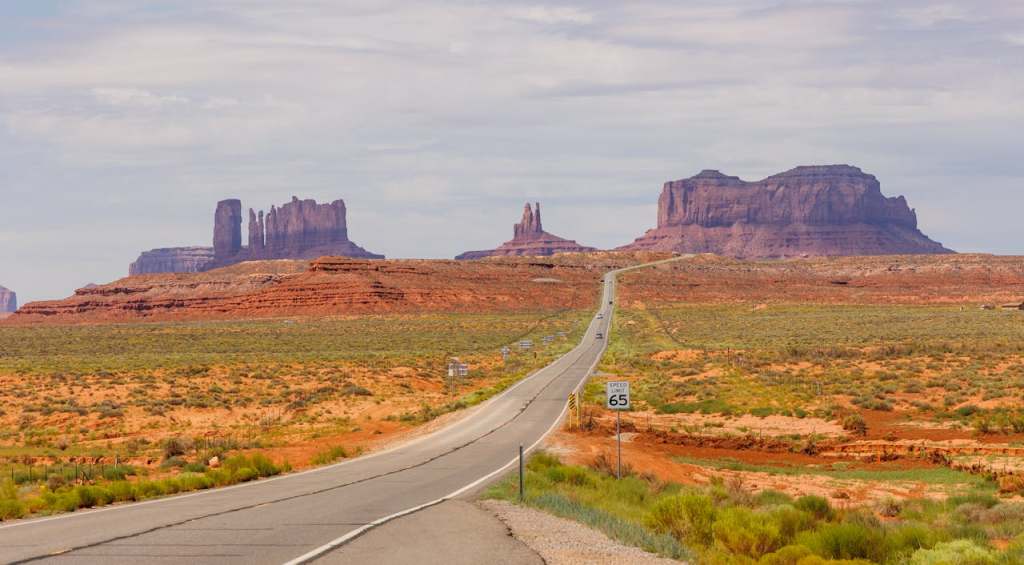
How a traveler maps either route matters as much as which one they choose. A road trip itinerary for Route 66 works best with intentional gaps built in, leaving space for unplanned detours, small-town diners, and stops that do not appear on any list. Overpacking the schedule defeats the entire spirit of the drive.
The Pacific Coast Highway calls for a different approach. Tighter booking and attention to viewpoint timing help travelers make the most of the scenery without rushing past it.
Tools like Google Maps and Roadtrippers simplify road trip planning by estimating driving time and clustering stops geographically. For anyone researching classic road trips worth hitting the tarmac for, understanding how to structure the days is often what separates a satisfying trip from an exhausting one. Route 66’s centennial in 2026 has also renewed interest in giving the drive the time it actually deserves.
Pick the Trip You Will Actually Enjoy
The best road trip is the one that matches how a traveler actually moves through the world, not how they imagine they will.
Route 66 fits those who thrive on open-ended driving, cultural detours, and time to roam. The Pacific Coast Highway suits those who prefer a defined scenic path and a more measured pace. Neither is superior. Travel style, available time, and honest self-assessment are what make the difference.
