


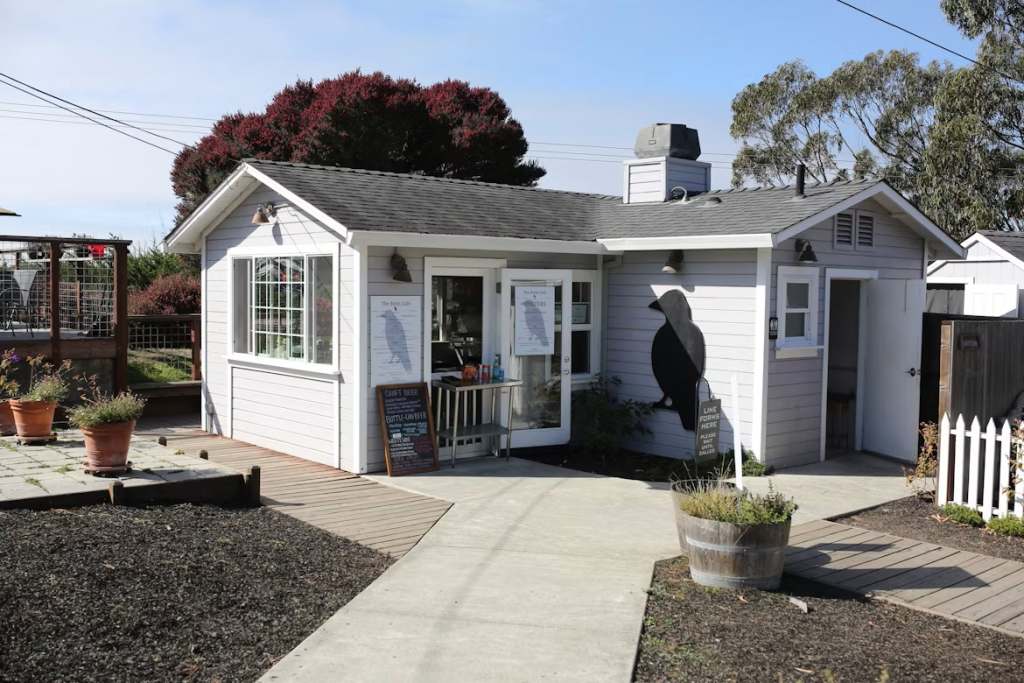
There are thousands of accessory dwelling units built every year across the USA as housing needs shift. Homeowners no longer look at their backyards as just patches of grass requiring weekend mowing. Instead, they see untapped real estate that can hedge against inflation in a green way.
Integrating an accessory dwelling unit allows individuals to participate directly in the green building movement while optimizing their existing footprint. Maximizing land utility is the new gold rush.
Redefining Urban Density through Gentle Growth
Traditional single-family zoning often creates artificial scarcity, leading to urban sprawl and increased car dependency. Constructing a secondary unit on an existing lot represents a form of gentle density that utilizes pre-existing municipal infrastructure. This method prevents the destruction of natural habitats on the urban fringe by maximizing space that has already been developed.
Build mindfully, density optimizes, reducing urban footprint becomes easier. Property owners who utilize this approach can comfortably accommodate more residents without overwhelming the local ecosystem.
Navigating Eco-Conscious Zoning and Sustainable Building Practices
Zoning frameworks across the country are shifting rapidly to favor climate-resilient housing solutions and mixed-use neighborhoods. State-level mandates have simplified the permitting pipeline for secondary structures, deliberately targeting commuter emissions by creating housing closer to employment hubs. With this policy evolution, sustainable land development is no longer locked behind excessive bureaucratic barriers.
Forward-thinking developers are stepping up to meet this demand with innovative, low-impact construction practices. Essentially, a premier adu builder here aligns project execution with these modern conservation goals by delivering highly efficient layouts that reduce material waste. Working within these frameworks ensures that your structure complies with strict local energy codes while contributing to neighborhood stabilization.
Lowering Lifecycle Emissions with Resource-Efficient Footprints
Smaller living spaces inherently require fewer resources to construct, heat, cool, and maintain over their operational lifespan. Decoupling a home from massive energy grids begins with reducing the actual square footage that a household occupies.
- Reduced square footage inherently lowers the heating and cooling demands of the structure
- Smart plumbing configurations minimize water waste through localized greywater readiness
- High-performance building envelopes prevent thermal bridging and lower daily utility strain
Minimizing the physical footprint of a dwelling ensures that fewer raw materials are extracted and processed during construction. This deliberate conservation of resources translates directly into lower utility bills and a significantly smaller carbon footprint for the occupants.
Accelerating Long-Term Property Appreciation through Green Upgrades
Integrating a high-efficiency secondary suite onto your land alters the equity trajectory of your entire real estate portfolio. Real estate valuation metrics indicate that properties featuring an authorized accessory unit consistently outperform standard single-family homes in annual appreciation by 1.6 percentage points. This steady equity growth rewards homeowners who invest in durable, energy-efficient building practices.
Future buyers increasingly prioritize homes that offer independent living setups and lower operational costs. You are fundamentally future-proofing your asset to meet the demands of an environmentally conscious marketplace.
Fostering Social Sustainability and Multi-Generational Resilience
True sustainability extends beyond building materials to encompass social and community resilience. Providing a dedicated, separate dwelling on the same property allows families to support one another through different stages of life without the environmental cost of maintaining two completely separate households. This arrangement minimizes the commuting distances between family members, cutting down on collective carbon emissions.
And keeping aging parents or young adults close by also reduces reliance on resource-heavy institutional care and far-flung apartment complexes. It establishes a localized safety net that strengthens family bonds while maximizing the utility of the land.
Balancing Eco-Efficiency across Varied Design Frameworks
The global accessory dwelling unit market is projected to reach a massive valuation driven by a 9.19% compound annual growth rate. This sustained industry expansion demonstrates that secondary structures have shifted from a niche alternative movement into a mainstream residential standard. Property owners can capture this momentum by choosing construction methods that prioritize both low embodied carbon and high thermal performance.
Selecting the correct layout and insulation package ensures the structure remains comfortable throughout changing seasonal cycles. Reviewing localized climate data helps you select the ideal layout for different types of ADUs to maximize energy performance.
The Future of Climate-Resilient Residential Infill
The choice to develop your backyard with an accessory unit is a practical step toward localized environmental stewardship. Embracing gentle density allows individuals to take ownership of the housing crisis while lowering carbon expenditures. These many perks are what is making ADUs a popular investment among today’s property owners.
Explore the blog for more posts on building and sustainability.