


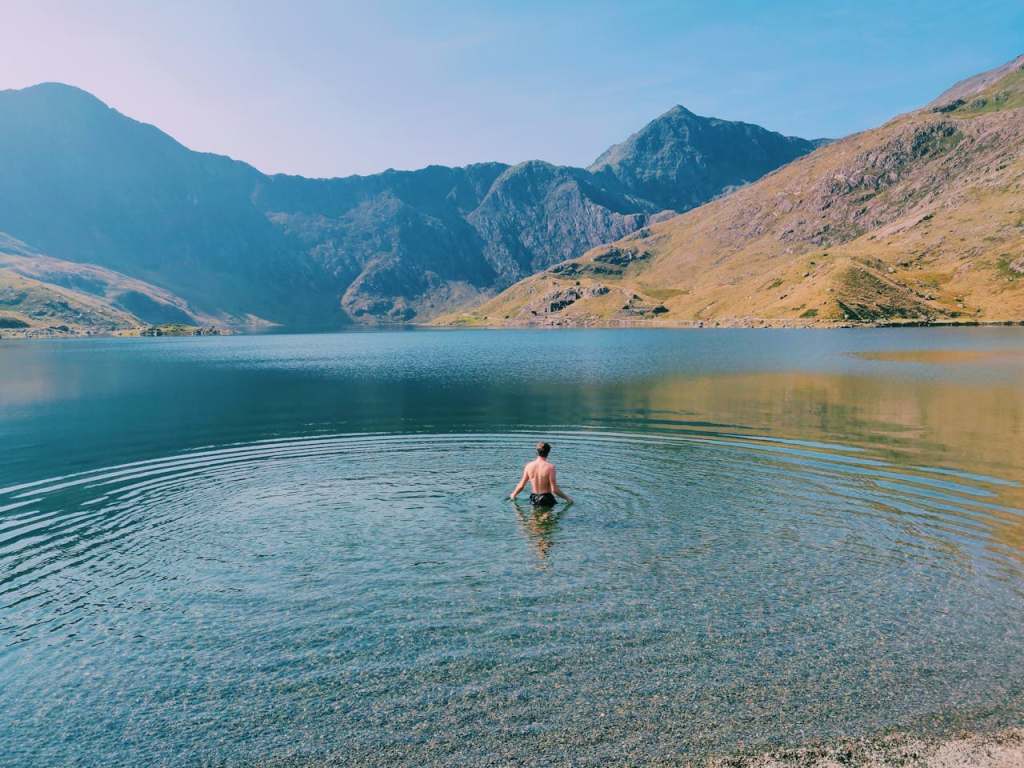
Wild swimming Peak District adventures have become increasingly popular with walkers, campers and outdoor travellers looking to cool off in some of England’s most scenic landscapes. Unlike destinations known for large lakes, wild swimming in the Peak District usually means river dips, plunge pools, waterfalls and rocky swimming spots hidden among valleys and moorland. Whether you are searching for peaceful river swimming or dramatic scenery, the Peak District offers plenty of options, provided you approach them carefully and responsibly.
Wild swimming Peak District: what to know before you go
Wild swimming in the Peak District is very different from swimming at managed outdoor lidos or beaches. Water temperatures stay cold for much of the year, conditions can change quickly and many locations involve uneven terrain or slippery rocks.
Before heading out, it is important to:
- Check recent weather conditions
- Avoid swimming after heavy rain due to currents and water quality
- Wear suitable footwear for rocky riverbeds
- Never dive into unknown water
- Swim with others where possible
Many Peak District wild swimming spots are in remote countryside locations with limited facilities, so visitors should come prepared and leave no trace behind.
Best places for wild swimming in the Peak District
Three Shires Head
Three Shires Head is one of the most famous wild swimming spots in the Peak District and is particularly popular during summer.
Located where Cheshire, Derbyshire and Staffordshire meet, it features small waterfalls, stone bridges and deep river pools along the River Dane. The scenery is dramatic, with moorland landscapes surrounding the swimming area.
The plunge pools beneath the waterfalls attract adventurous swimmers, although the rocks can become extremely slippery. Early mornings or weekdays are usually quieter, as this spot has become increasingly busy in warm weather.
Slippery Stones and the Upper Derwent Valley
Slippery Stones is another well-known Peak District wild swimming location.
Set within the beautiful Upper Derwent Valley, the area offers shallow river sections, small cascades and deeper pools along the River Derwent.
The surrounding valley is already popular with walkers and cyclists, making it an easy addition to a day outdoors. While some sections are suitable for paddling and cooling off, swimmers should still take care around currents and submerged rocks.
Because of its accessibility, Slippery Stones can become crowded during school holidays and hot weekends.
Dovedale
Dovedale is best known for its limestone valley scenery and stepping stones, but parts of the River Dove are also popular for paddling and short wild swims.
The river here is often calmer and shallower than some upland swimming spots, although conditions still vary depending on rainfall.
Because Dovedale is one of the Peak District’s busiest walking destinations, swimmers should expect plenty of visitors nearby, especially in summer.
River swimming in the Peak District
River swimming is at the heart of the Peak District wild swimming experience. Instead of large lakes, most swimmers head for:
- Waterfall plunge pools
- River bends with deeper water
- Calm stretches beneath stone bridges
- Woodland river sections
The River Dane and River Derwent are among the best-known rivers for informal swimming and paddling.
Some visitors also explore quieter spots around Youlgreave and the River Bradford, although access and conservation concerns can change. In these smaller locations, respecting local communities and avoiding overcrowding is especially important.
Other wild swimming spots Peak District visitors explore
Beyond the famous locations, many walkers discover smaller pools and riverside swimming areas throughout the national park.
Areas around the Chatsworth Estate and the River Derwent occasionally attract paddlers and swimmers, although conditions vary and not all sections are suitable for swimming.
Part of the appeal of wild swimming in the Peak District is exploration, but visitors should always avoid trespassing or entering clearly restricted land.
Wild swimming safety in the Peak District
Wild swimming can be rewarding, but safety should always come first.
Key risks include:
- Cold water shock, even in summer
- Fast-moving currents after rainfall
- Hidden rocks and sudden drops
- Slippery riverbanks and waterfalls
- Remote areas with weak phone signal
Water quality can also vary depending on recent weather and agricultural runoff.
For safer swimming:
- Enter the water slowly
- Avoid swimming alone
- Check depth carefully before entering
- Leave the water immediately if you feel cold or fatigued
- Respect warning signs and local guidance
Responsible swimming and protecting the Peak District
As wild swimming grows in popularity, some Peak District locations are struggling with overcrowding, litter and environmental damage.
Visitors can help protect these landscapes by:
- Taking rubbish home
- Avoiding disposable barbecues
- Parking responsibly
- Respecting wildlife and livestock
- Keeping noise levels low
Many of the best swimming spots are small natural environments rather than developed tourist sites, so responsible behaviour helps preserve them for future visitors.