


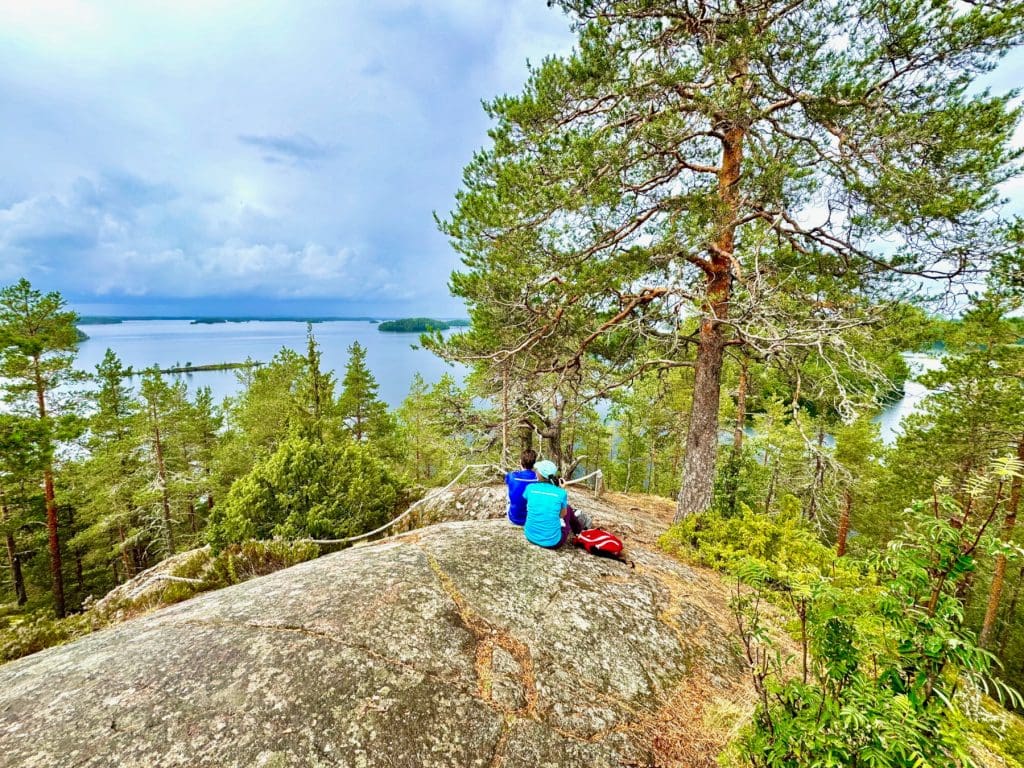
As European summers become increasingly hot and unpredictable, a quiet shift is reshaping how experienced travellers plan their holidays. Instead of defaulting to the crowded Mediterranean, more people are now looking north, inland or towards coastal regions where temperatures remain comfortable and tourism pressure is lower. This emerging trend is known as “coolcations”. Read our lost of five coolcations in Europe for summer 2026.
But first what is a coolcation? It is not simply about escaping heat. It reflects a broader change in travel values; slower journeys, reduced reliance on short-haul flights, and destinations where tourism still feels balanced with local life. It is also a practical response to overtourism, especially in southern Europe where water shortages and extreme temperatures are becoming more common in peak season.
For travellers over 40, coolcations offer something particularly appealing: space, comfort and authenticity without the stress of overcrowded resorts. They also align naturally with sustainable travel principles, especially when combined with rail or ferry-based itineraries.
Below are some of the most rewarding coolcations in Europe for summer 2026.
Palanga Lithuania
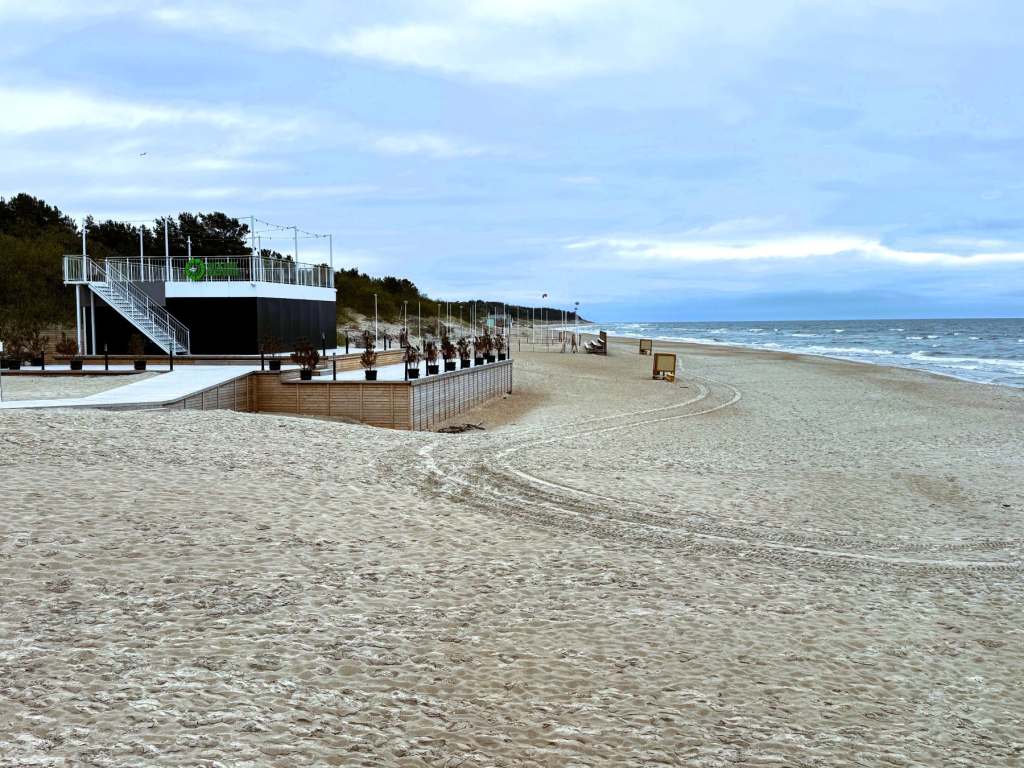
The Baltic seaside town of Palanga is one of Europe’s most overlooked summer escapes. Located in coastal Lithuania near Klaipeda, it offers long sandy beaches, pine forests and refreshingly mild summer temperatures that rarely become uncomfortable.
Unlike Mediterranean resorts that struggle with heatwaves and congestion, Palanga retains a relaxed rhythm even in peak season. Its long wooden pier is the social heart of the town, especially at sunset when visitors and locals gather to watch the light shift across the Baltic Sea.
Beyond the beach, cycling routes weave through coastal pine forests towards the UNESCO-listed Curonian Spit, a landscape of shifting dunes and quiet nature trails. Inland, the Amber Museum provides a cultural counterpoint, showcasing the region’s unique geological heritage.
Palanga is particularly well suited to slow travel. It rewards those who stay longer, explore gradually and avoid peak summer weekends when domestic tourism increases.
Sustainable Travel Tips
- Travel by rail from Vilnius to Klaipeda, then local bus onward
- Cycle coastal and forest routes rather than using cars
- Choose small guesthouses or locally owned apartments
- Visit in early or late summer to reduce seasonal pressure
Inverness Scottish Highlands

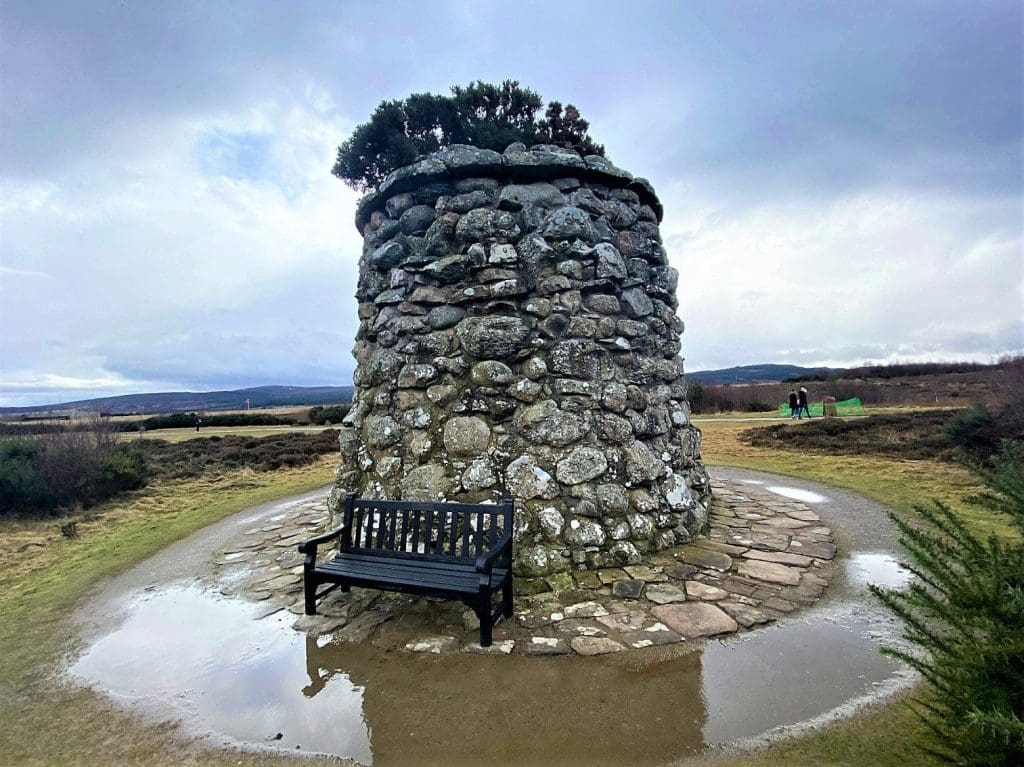
The Scottish city of Inverness acts as the gateway to one of Europe’s most accessible wilderness regions. The Highlands offer vast landscapes, lochs, mountains and coastline, all within relatively easy reach of the city.
Summer temperatures here remain mild, making it an ideal alternative for travellers seeking outdoor activity without heat stress. Loch Ness, the Cairngorms and the Moray Firth coastline all offer varied experiences from wildlife watching to long-distance walking.
What makes the Highlands particularly compelling is the sense of space. Even in summer, it is possible to walk for hours without encountering crowds. This makes it ideal for travellers seeking reflection, nature and slower rhythms.
Sustainable Travel Tips
- Use the train from London instead of flying
- Travel locally by bus and regional rail services
- Stay in small, independently run guesthouses
- Follow responsible wildlife viewing guidelines
Alesund Norway
Alesund, Norway is a striking coastal town on Norway’s western fjordlands, known for its Art Nouveau architecture and dramatic natural setting. Surrounded by islands, mountains and deep fjords, it offers one of Europe’s most refreshing summer climates.
The nearby Sunnmore Alps provide excellent hiking opportunities, while fjord cruises allow visitors to explore the landscape from the water. Unlike more heavily visited Scandinavian destinations, Alesund still feels relatively calm during summer.
Sustainability is central to Norwegian tourism planning, with electric ferries and strict environmental protections helping to preserve fragile ecosystems.
Sustainable Travel Tips
- Combine rail travel with Norwegian coastal ferries
- Use electric or hybrid fjord boats
- Stay in locally owned accommodation
- Eat locally sourced seafood
Finnish Lakeland Finland
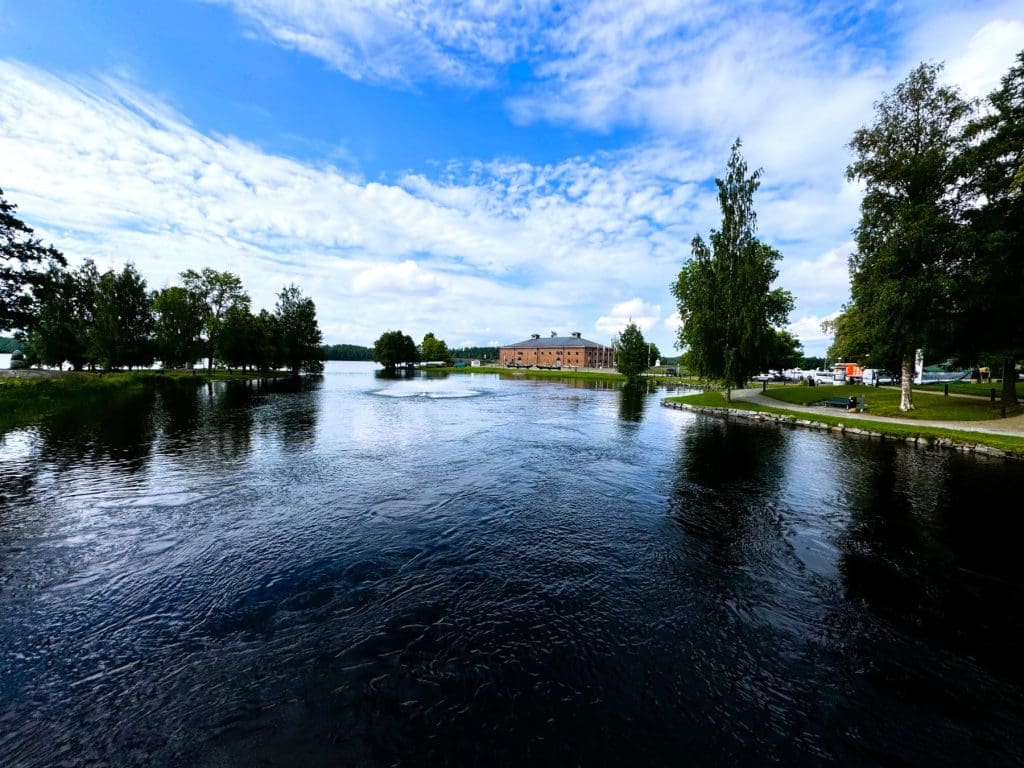
The region around Savonlinna, Finland offers one of Europe’s most peaceful summer environments. Thousands of lakes, islands and forests create a landscape shaped by water and wilderness.
Finnish summer life is deeply connected to nature. Days are spent swimming, canoeing or hiking, while evenings often revolve around traditional lakeside saunas followed by cold-water immersion.
This is slow travel at its purest. There are no tight schedules or crowded attractions, only space to move at your own pace. You might also like to visit the Savonlinna Opera Festival held each year in July.
Sustainable Travel Tips
- Travel by rail from Helsinki rather than domestic flights
- Stay in eco-certified lakeside cabins
- Use canoe or bicycle for local movement
- Support regional food producers
Faroe Islands
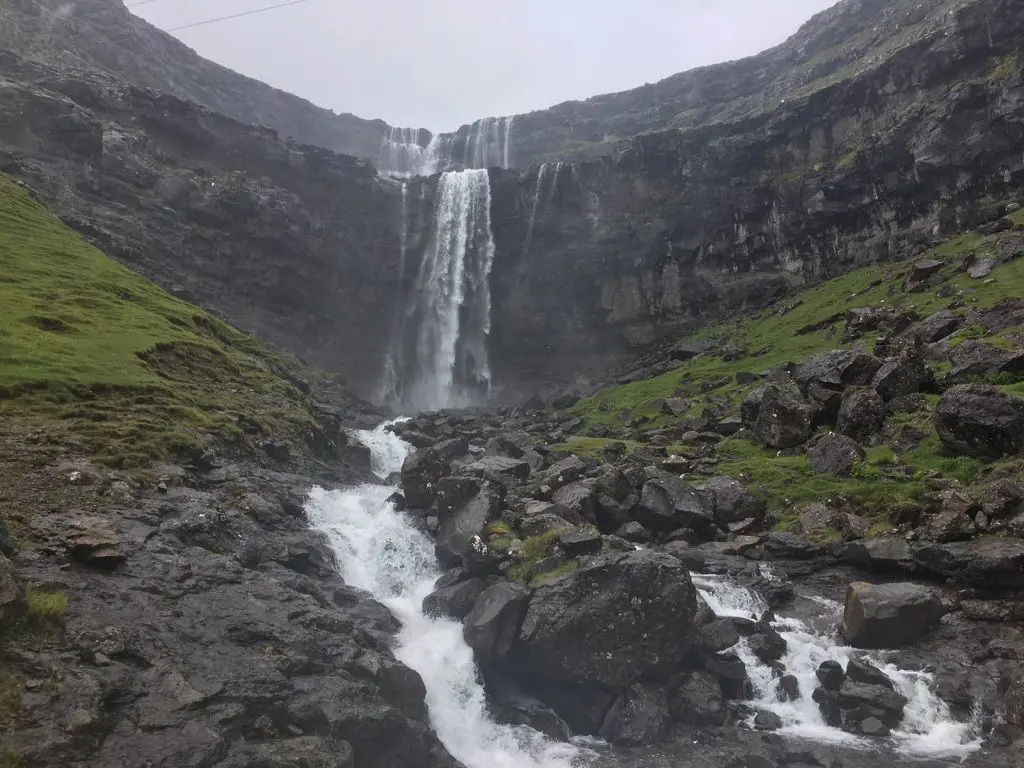
The remote Faroe Islands sit in the North Atlantic between Iceland and Norway, offering some of Europe’s most dramatic coastal landscapes.
Steep cliffs, green valleys and constantly shifting weather define the experience. Small villages such as Gjogv and Saksun provide insight into traditional island life, while hiking trails connect remote viewpoints and seabird colonies.
Tourism here is carefully managed to protect fragile ecosystems. Visitors are encouraged to follow marked paths and respect seasonal restrictions designed to protect wildlife.
Sustainable Travel Tips
- Stay longer in one village rather than moving frequently
- Follow official hiking routes only
- Avoid drone use in sensitive areas
- Support locally owned accommodation
Why Coolcations in Europe Matter
Coolcations in Europe are not a passing trend. They reflect a structural change in how people respond to climate, overcrowding and travel fatigue. Choosing cooler destinations helps redistribute tourism away from overburdened southern regions while offering richer, more immersive experiences in northern and inland Europe.
Sustainable Travel Principles
- Prioritise rail and ferry travel over flying
- Travel slower and stay longer
- Support local economies
- Respect natural environments