


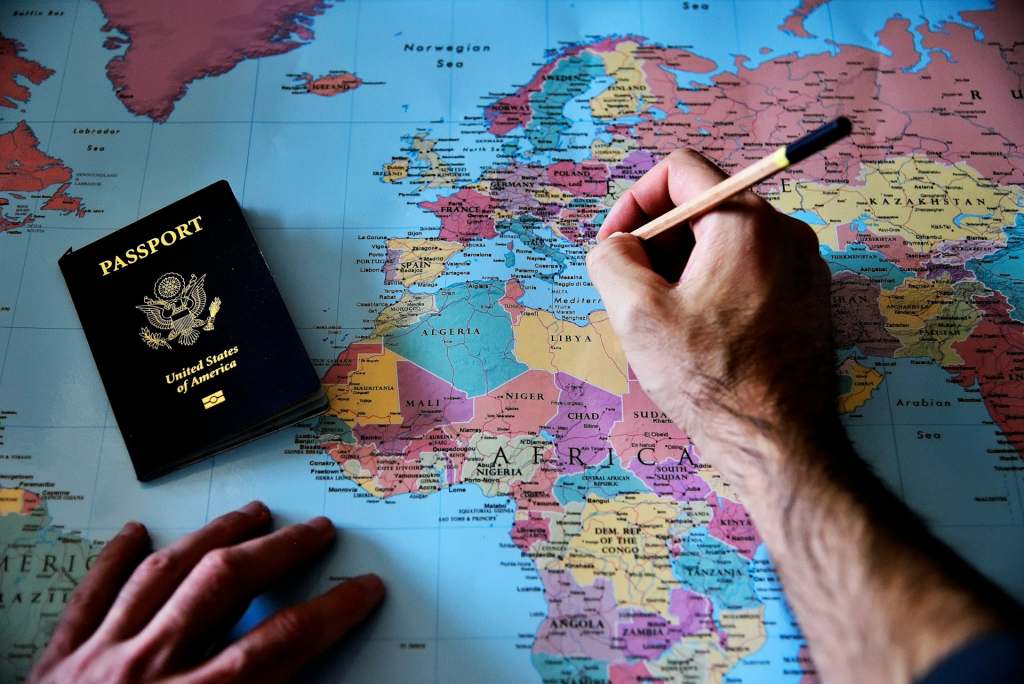
Traveling across different countries is one of the best ways to see the world. You get to experience so many cultures, landscapes, and foods all in one amazing trip. It might seem like a lot to plan, but with a good strategy, you can turn a complicated itinerary into a smooth, unforgettable adventure. This guide will show you how to plan your perfect multi-country journey.
What Makes Multi-Country Travel So Rewarding
What’s so great about a multi-country trip? It’s all about variety and making the most of your time. Instead of spending your whole vacation in one spot, you get to see how cultures, languages, and scenery change, sometimes just a few hours apart. One day you could be checking out ancient ruins in Rome, and a few days later, you might be hiking in the Swiss Alps. This kind of travel gives you a richer, more packed experience, letting you compare different places back-to-back.
For many travelers, especially if you don’t have a lot of vacation time, it’s a smart way to visit several places on your wish list. If you plan your route well through neighboring countries, you spend less time traveling long distances and more time actually enjoying your trip. You can link up a bunch of unique experiences, making it feel like several vacations rolled into one.
The Value of a Well-Designed Itinerary
Even though multi-country trips are super appealing, getting everything organized can be tough. Juggling different money, languages, transport, and entry rules for several countries is a big job. This is where getting some professional help can really change your trip from stressful to amazing. An expert-designed itinerary takes care of all the tricky logistics, so you’re free to just enjoy the moment.
Pros bring valuable local knowledge. They know the best times to visit popular spots, the prettiest routes, and those hidden gems you might otherwise miss. For example, if you’re exploring a region with a rich but complicated history like Europe, specialized multi-day tours can handle all the tiny details within one country. This lets you smoothly connect it to your next destination. This way, you can really dive deep into one area, like Italy, with all your travel, lodging, and guided tours set up before you move on to the next part of your European adventure. It’s a way to mix organized support with your own exploring.
Planning the Right Pace and Route
If you decide to plan the trip yourself, being well-prepared is key. A few important things to think about will set you up for a smooth journey.
First, figure out your pace. It’s easy to want to squeeze in as much as possible, but that often leads to feeling burnt out. Building in room for slow travel can help you enjoy each place more deeply instead of rushing from one stop to the next. A good rule of thumb is to give yourself at least three days for big cities, and remember to add travel time between places. Going slower lets you be more spontaneous and really connect with each spot you visit.
Next, map out a smart route. Zipping back and forth across a continent just wastes time and money. Look at a map and plan a path that makes sense, whether it’s a loop or going in one direction. Think about the most efficient ways to travel for your route. For instance, a trip through Central Europe might be best by train, while island hopping in Southeast Asia will need a mix of ferries and short flights.
Finally, get your documents ready way ahead of time. Check the visa rules for every country on your list. Remember that these rules can change depending on your citizenship and how long you’re staying. Make sure your passport is valid for at least six months past your planned return date, as this is a common requirement for entering many countries.
Navigating Logistics and Transitions
Moving from one country to another is often the trickiest part of a multi-country trip. A little planning can make these travel days much easier.
When it comes to getting around, think about the pros and cons of cost, time, and the experience itself. High-speed trains in Europe and Japan are not only fast but also offer amazing views and a comfy ride. Budget airlines can be great for longer distances, but don’t forget to factor in extra fees for luggage and the time it takes to get to and from airports, which are often out of the way.
Packing light is another crucial thing. If you have just one easy-to-handle bag, navigating train stations and airports will be so much less stressful. Focus on clothes that can be layered and worn in different ways, and only bring two or three pairs of comfy shoes. Digitize important documents like your passport, visas, flight confirmations, and hotel reservations, and save them securely online. This gives you a vital backup and means you don’t have to carry as much paper.
Maximizing Your Cultural Immersion
A great trip is more than just seeing famous places; it’s about really connecting with the spots you visit. Making an effort to dive into the local culture will make your experience so much richer.
Start by learning a few basic phrases in the local language. Simple greetings like “hello,” “please,” and “thank you” are always appreciated and can lead to more meaningful conversations. Don’t worry about making mistakes; it’s the effort that counts.
Food is another fantastic way to experience a culture. Skip the familiar chain restaurants and look for local markets, food stalls, and family-run eateries. Ask for recommendations, try the regional specialties, and be open to new tastes. You’ll not only enjoy delicious meals but also get a peek into local traditions and daily life. This idea works for any kind of adventure, even a unique multi-country cabin retreat where you can explore local food sources and cooking styles.
Ultimately, the main thing is to stay curious and flexible. Read up on the history and customs of each place before you get there. Once you’re there, be open to unexpected discoveries. Wander down a side street, relax in a park, or chat with a local. Sometimes the best memories are the ones you didn’t even plan.
A multi-country adventure is like a mosaic of moments, each one adding to a bigger, more beautiful picture. Start with a solid plan, but always be ready to embrace the journey as it happens.