

I almost didn’t snorkel on my first trip to Cozumel. I’d never done it before, didn’t own gear, and honestly, the idea of having my face in the ocean felt mildly terrifying. But standing on the dock that morning, watching the water so clear I could see the sandy bottom fifteen feet down, I thought: if not now, when?
Here’s what I learned about snorkeling as a total beginner—and why Cozumel is the perfect place to figure it out.
Your Brain Will Play Tricks on You
The biggest surprise wasn’t the fish or the reefs. It was my own head. When I first put my face in the water, my instinct was to panic—like I’d forgotten how to breathe. I hadn’t. My body knew what to do; my mind just didn’t trust it yet.
The reality: breathing through a snorkel is easier than you think, but it feels weird at first. You have to consciously relax and let air come naturally. Within five minutes, it clicks. Within twenty, you forget you’re doing it.
Cozumel’s first-timer reefs are perfect for this because the water is so calm and shallow at the start. You’re not in heavy currents or deep water. You’re in 8-12 feet of water, standing distance from the boat, with guides literally right there. That matters more than you’d think.
The Visibility Thing Is Real
People talk about Cozumel’s water clarity like it’s an exaggeration. It’s not. I’ve snorkeled in other places since, and nothing compares. You can see 80+ feet down. That means you don’t have to work hard to see fish, coral, sea turtles—they’re just there, impossible to miss.
This is important for first-timers because you’re not squinting and searching. You’re just looking. The experience feels less like work and more like you’ve been given a window into something you weren’t supposed to see.
What You Actually See (Spoiler: It’s Worth It)
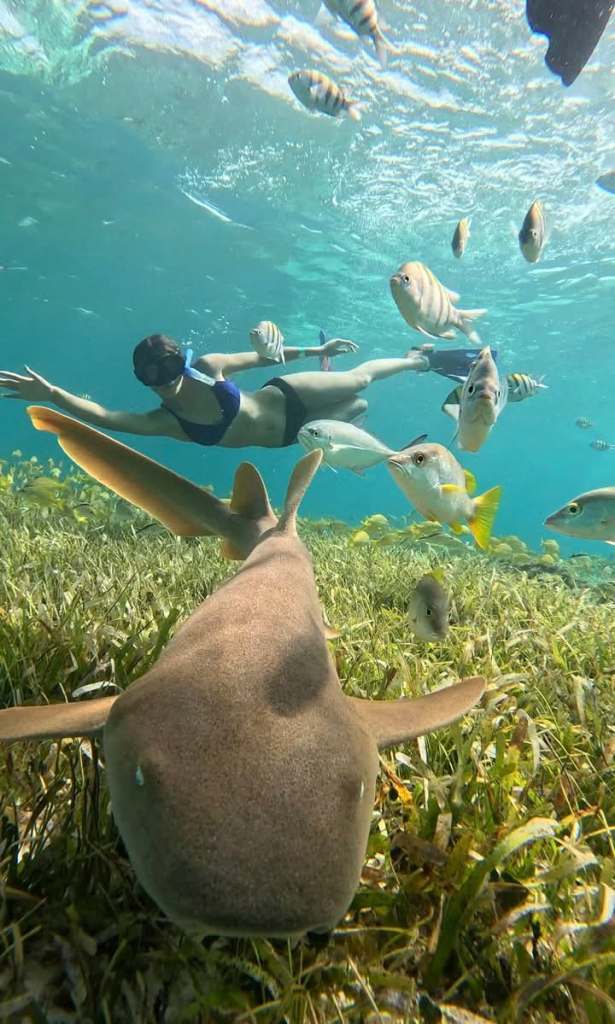
My first reef had brain coral the size of cars, parrotfish eating the reef (actually audible crunching sounds underwater), and a spotted eagle ray just… cruising past like it owned the place.
The second site had a sea turtle. Not a quick glimpse. We watched it for ten minutes while it grazed on seagrass. That moment alone—where time stops and you’re just witnessing something—that’s the moment you understand why people keep coming back to Cozumel.
The third site was shallower, more fish-dense, chaos in the best way. Jacks, snappers, groupers, sergeant majors—all competing for space. It’s sensory overload, and it’s addictive.

The Stuff Nobody Tells You
Your sinuses will feel weird. The pressure is different, and even though you’re breathing fine, your head registers something’s off. It passes.
You’ll get a little water in your snorkel. Every single person does. You spit it out and keep going.
Your legs will cramp if you’re kicking hard. Relax. Float. Let the current do work.
You’ll be tired after a couple hours, even though you weren’t “working.” You were, mentally. Your body was processing something completely new. Expect a nap afterward.

Why Guides Matter
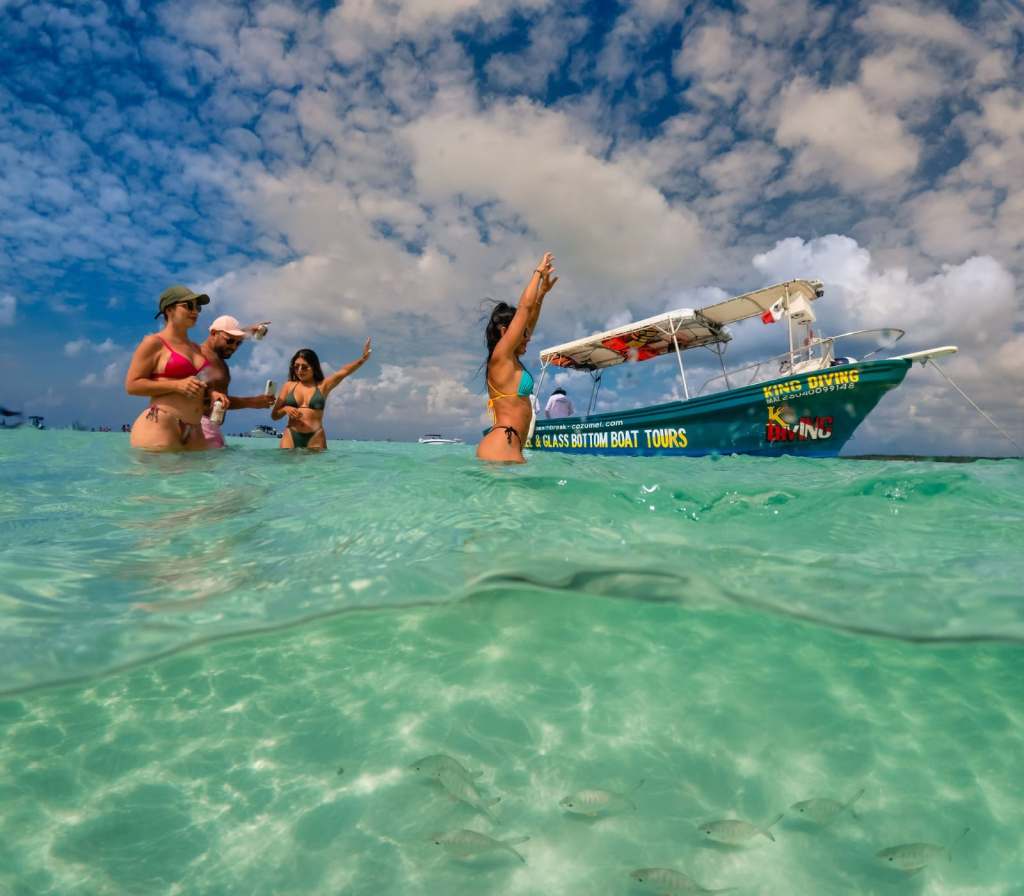
A good guide doesn’t just point at fish. They position you to see things you’d miss alone. They know where the turtles hang. They know which reefs have what. They watch you and adjust depth and duration based on how you’re doing.
When I booked a snorkel tour for beginners in Cozumel, I picked one specifically because they advertised keeping groups small and taking time at each site. That choice shaped the entire experience. You’re not rushed. You’re not in a cattle-car boat with 40 people. You’re actually there, not just checking a box.
The Real Cost of Not Doing It
Here’s what I’d regret: skipping snorkeling because I was nervous. An hour of mild discomfort would’ve meant missing something I think about almost every day now. The water clarity, the turtle, the moment everything clicked underwater—those are the memories that stick.
If you’re a first-timer heading to Cozumel, snorkeling isn’t optional. It’s the thing you do. And yes, your brain will tell you it’s scary. Your brain is wrong.