Mark Bibby Jackson spends 24 hours in Bristol visiting the galleries, Clifton Suspension Bridge and the local microbreweries.
I often say that serendipity is at the essence of rewarding travelling. I once more feel this as I enter the Royal West of England Academy. Initially I am disappointed to discover the main gallery is in between exhibitions. The helpful staff inform me I can view the adjoining exhibition at the Kenny Gallery which is free. Upstairs I see the new exhibition “Dance out” is being assembled. I mumble something about being a travel writer and within minutes I am offered a sneak preview of the exhibition by its curator James Russell.
Dance out
Russell explains the exhibition explores how dance is an everyday activity. He shows me a video by Gillian Wearing of a woman dancing in a shopping mall seemingly with no care in the world. According to Russell, part of the exhibition is about “people, especially women, owning their own space”.
Video is at the heart of the exhibition. The Academy has commissioned a video of various people dancing around landmarks across Bristol especially for the exhibition. The third video is of Tracey Emin, a more sombre piece, charting her troubled youth concluding with her dancing with the freedom shown by the woman in Wearing’s video. This is also being sown at the Tate Modern in London.
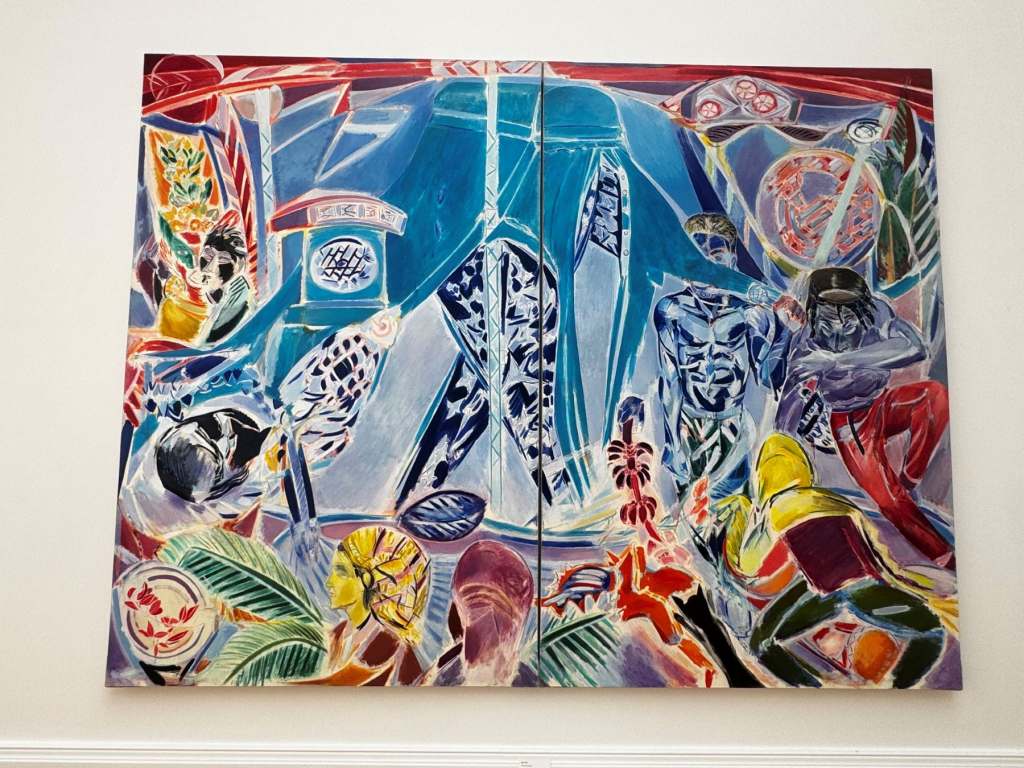
In addition to the three video pieces, there are some striking paintings by David Remfry and Denzil Forrester, who was inspired by dub music, as well as a large dance floor in the middle of the room. Dance out continues to 9 August and as the blurb says, “Walk in … Dance out!”
Royal West of England Academy
Even if you do not visit the exhibition, the Grade II listed building is a wonderful place to have a coffee. Opened in 1858 as the Bristol Academy for the Promotion of Fine Art, it was Bristol’s first art gallery.
Money for its construction was left by Ellen Sharples. Brunel and Prince Albert made contributions. Leading abolitionist John Scandrett Harford was elected as it founding president.
Bristol Cathedral and Slavery
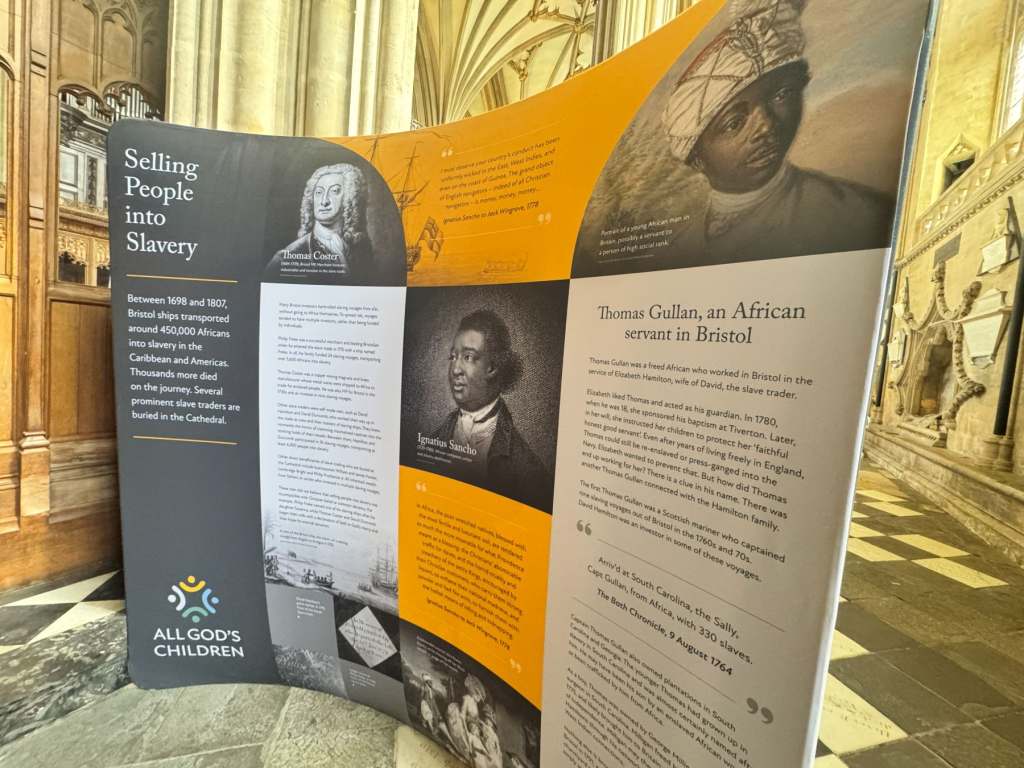
It is seemingly impossible to wander too far in Bristol without being reminded of the city’s links with slavery, which resulted in the tearing down of statues in 2020 as part of the Black Lives Matter protest.
Earlier in the day I entered Bristol Cathedral where there is an exhibition on its links with slavery. Horrific though the historic ties may be I found it reassuring it is no longer being ignored.
The exhibition does not shirk from the cathedral’s historic bond with slavery. Of the 1,000 people buried or memorialised in the cathedral between 1670-1900, 200 “had a close connection to the slavery-based economy,” including Thomas Coster Bristol MP who invested in nine slaving voyages.
Bristol Museum & Art Gallery
Leaving Bristol Cathedral, I continue up the hill to the Bristol Museum & Art Gallery, which is free to enter.
Ceri on reception was extremely helpful, indicating where I could find Banksy’s The Paint Pot Angel, although it really is impossible to miss. Ceri’s highlight is the embryonic baby dinosaur fossil on the first floor, and her view seemed supported by the bunch of schoolkids who visited the museum at the same time as me. In additional to natural history, the rather eclectic museum and gallery has exhibitions on ancient Egypt, as well as European and Oriental art.
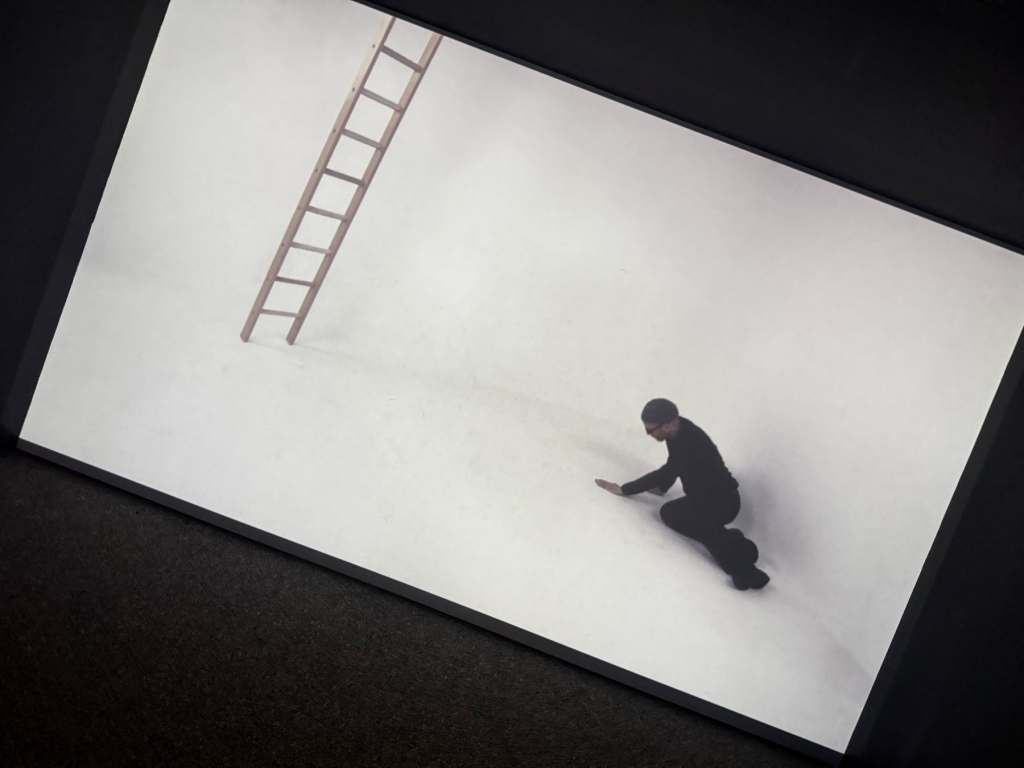
I really liked the Jacob Epstein sculpture of a head, but my favourite was a video by John Wood and Paul Harrison, especially the piece 100 Falls, which consists of a man climbing a step ladder and falling to the ground. For some reason it seemed to resonate with me, although I did not see all 100 falls. Like the Royal West of England Academy, the building alone is worth the visit.
Clifton Observatory and Cave
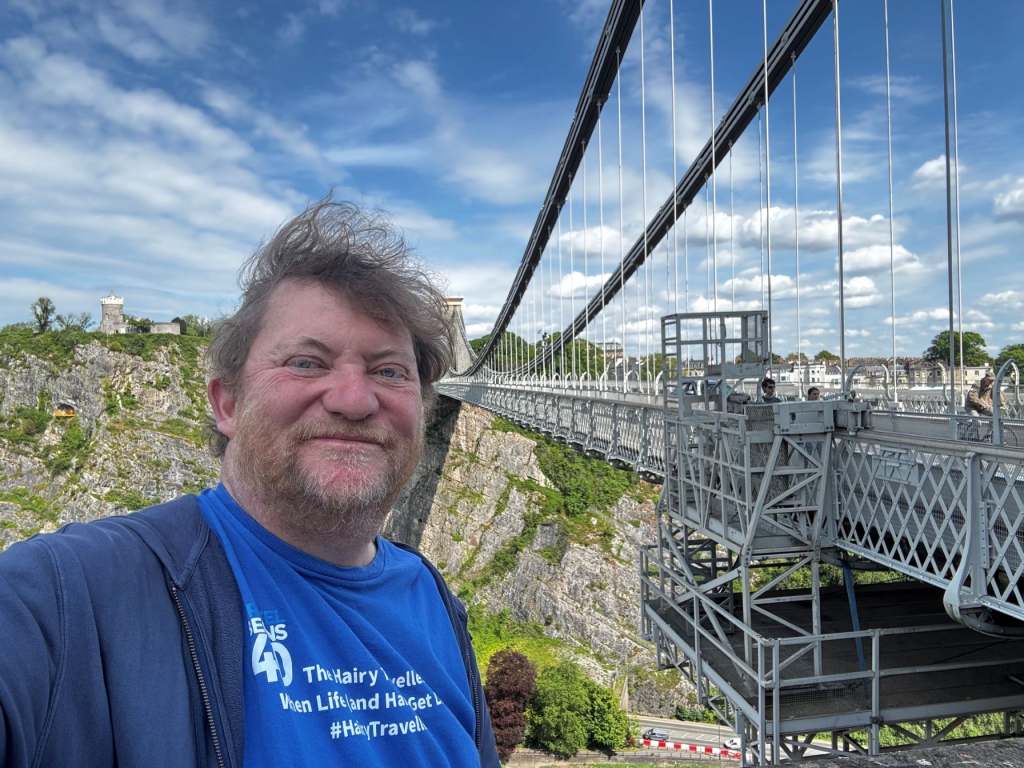
In addition to being the founding president of the Royal West of England Academy, Harford also oversaw the completion of Bristol Suspension Bridge. It is to there I head after the Academy.
Some of the best views of the bridge are from the Clifton Observatory. Created by the artist William West in 1828, the observatory has a Camera Obscura which provides a most interesting panorama of both the bridge and the surrounding greenery.
The observatory is built on the site of an Iron Age fort. There was also a 4th century chapel here apparently. However perhaps the most interesting part lies below. The Giants Cave stretches 61 metres down into the cliff, at the bottom of which you have great views of the bridge. It is said that here the giants Goram and Ghyston used to live. However quite how any giant could live in such confined space beats me. It was difficult enough manoeuvring my six-foot plus frame through the cave.
Clifton Suspension Bridge Museum
Personally, I feel the best view of the bridge is across on the Somerset side looking back towards the spectacular gorge. A gorge-ous view as the signage suggests. It reminds me of southern Spain.
The free to enter Clifton Suspension Bridge Museum tells the story of the museum. Why it was required due to congestion in the 1700s as there were only two ways across the River Avon. How Telford’s 1830 design was rejected. How Brunel’s design was selected. And how the scheme was shelved due to lack of funding and eventually opened in 1864, some five years after Brunel’s death. Nothing changes with major infrastructure projects, I hear you say.
Interestingly Brunel’s design was most probably based on The Temple of Hathor in Egypt. The project only went ahead because the engineer John Hawkshaw was able to use the cables from the Hungerford Suspension Bridge in London, which was being demolished, and thus substantially reduce the costs. A classic example of upcycling!
Micro-Breweries of Bristol : Left-Handed Giant
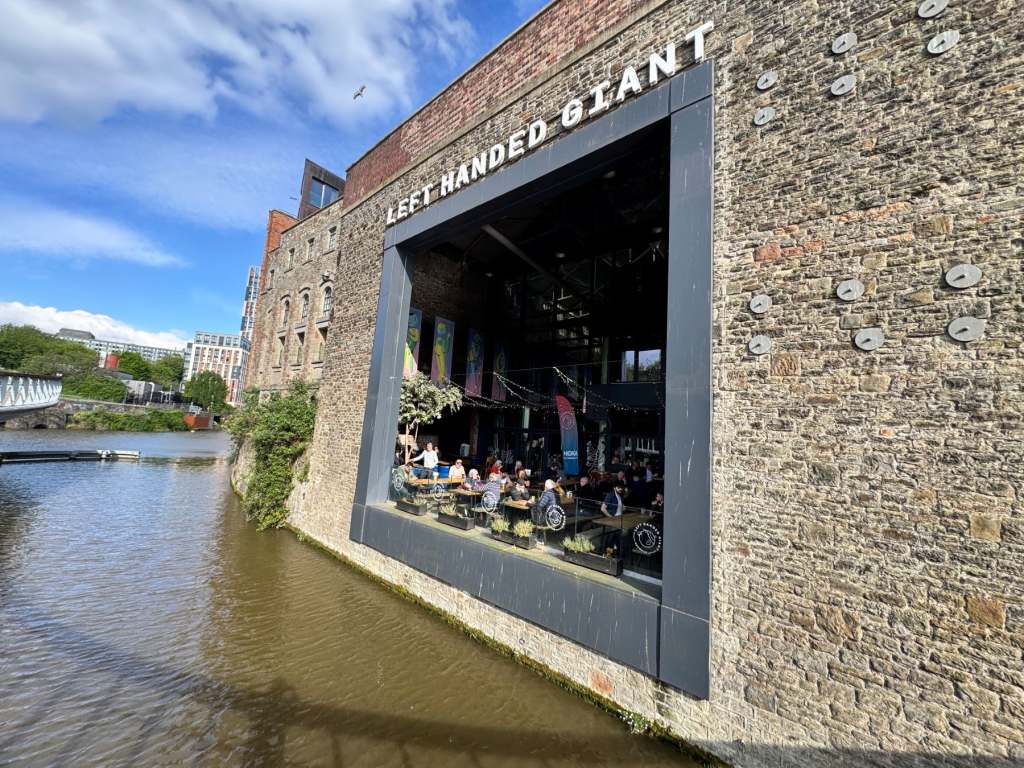
All this walking (12 miles) around Bristol and Clifton had certainly built up a thirst. I returned to my excellent Leonardo Hotel to freshen up, and an hour later emerged ready to meet a Left-Handed Giant.
This was not another huge creature lurking in confined conditions in a Clifton cave, but a microbrewery in the heart of Bristol. Founded in 2015, the microbrewery moved to its St Philips riverside location a few years later.
One of its assistant managers Grace shows me around the microbrewery and brewpub. She attributes its success to its “fantastic location in the centre of Bristol” as well as due to them making “super fresh beer ready for people to enjoy.”
As pubs are facing difficulties across the country, Grace believes the community role they play is really important, especially as people are suffering more and more from the economic squeeze. The microbrewery has both run and bike clubs as well as a games room. “If you don’t use them, you will lose them,” cautions Grace of the pubs and micropubs of the UK.
As for the name, Bristol legend says there were two giants, one left-handed, who sought the heart of the river Avon. The giants fought. The left-handed one was weaker but more intelligent than its right-handed opponent. But it also loved a beer. Quite who won the river’s heart is lost in the mist of time (or perhaps beer), but the legend gave birth to the microbrewery’s name.
“It’s something a little bit quirky, a little bit weird,” explains Grace. “We wanted to step away from naming it after our owners.”
It also serves an excellent pint of stout.
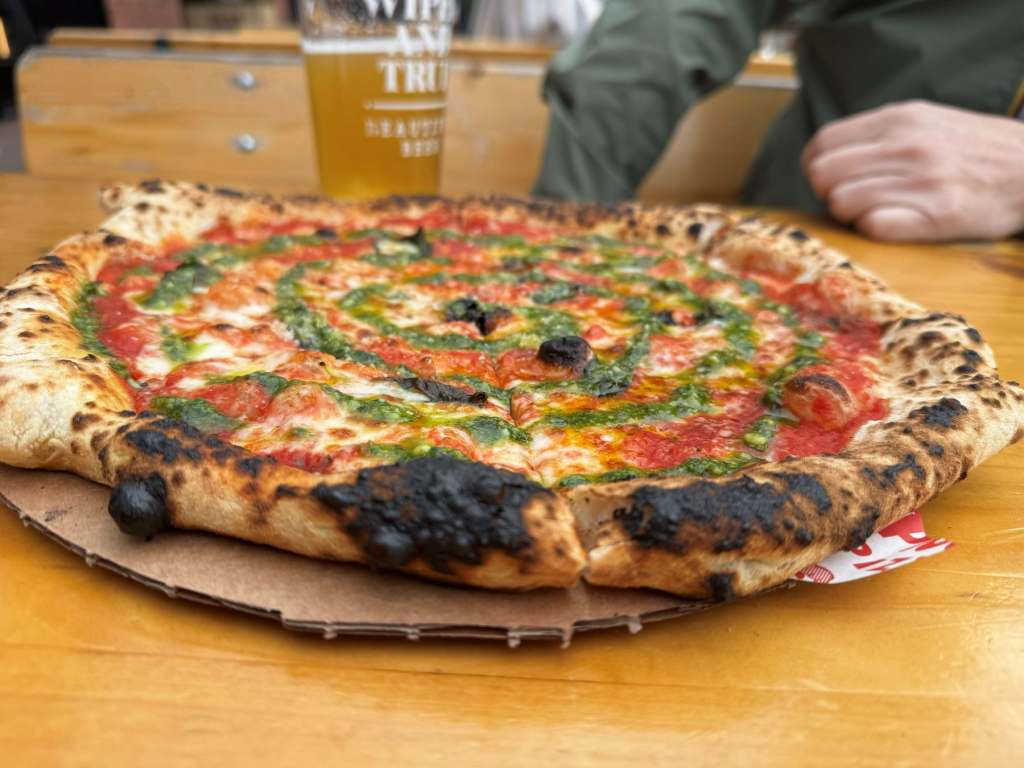
Wiper and True : Porter and Pizza
Later in the evening I head to a second micro-brewery, the Wiper and True in the Old Market.
Just like the Left-Handed Brewery it has strong links with the local community with a monthly charity fundraiser. It also adopts the principles of the triple bottom line (profit, people and planet), paying its employees a real wage and using technology to capture carbon dioxide produced during fermentation. The captured Co2 is then reused in the brewing and packaging processes, creating a closed loop. “That’s beautiful beer,” says the microbrewery.
This has not gone unnoticed. In 2024 it was acclaimed both Brewery of the Year and Sustainability Champion at the Brewers Choice awards.
Much more industrial in setting, the microbrewery has a beautiful retro feel, that almost makes me believe I am sitting in an art deco brewery. I love the colour scheme.
However, this being a lovely sunny evening we elect to sit outside, enjoy the beautiful plum porter which is indeed a “beautiful beer”, and tuck into a pizza from the food stall in the yard. An excellent way to conclude my day in Bristol, giants, angels, beer and pizza – a perfect day in a city that puts many others to shame.
Where to Stay in Bristol
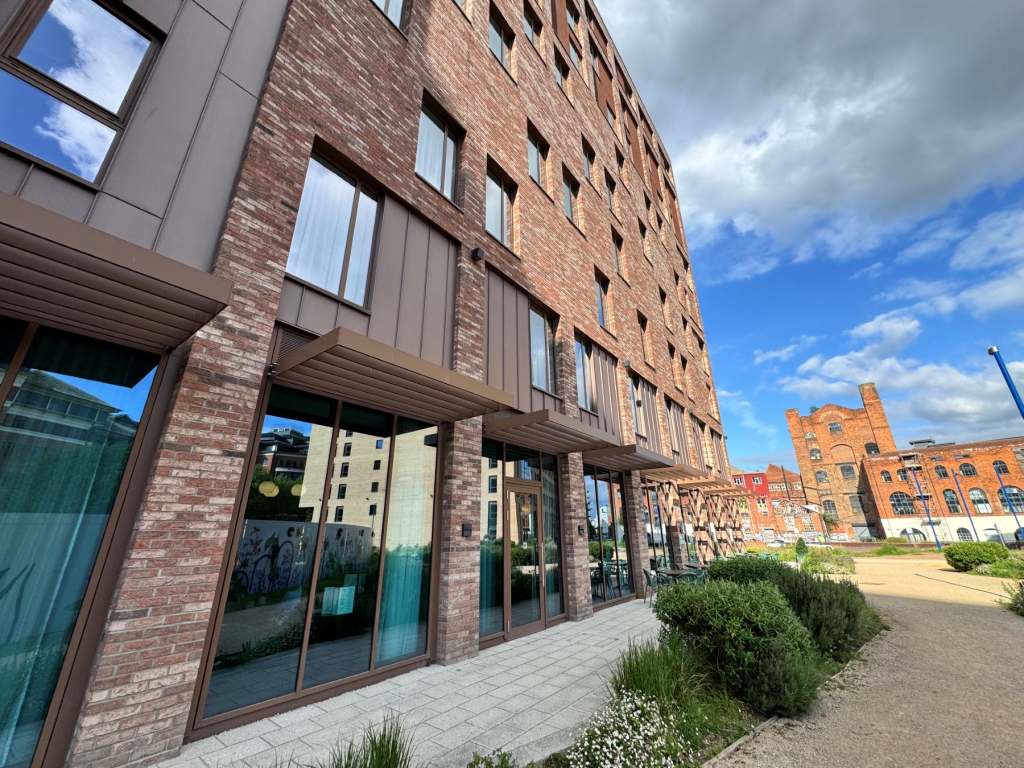
I stayed at the Leonardo Hotel a short walk from Temple Meads railway station. The chain emphasises the quality of its king-sized bed, and I had a great couple of nights sleep.
The room had a coffee machine and some nice touches such as complimentary kit-kats in the fridge as well as sparkling water.
It is a very short walk to the city centre (five minutes from the Left Handed Giant Brewery).
The hotel is ideal for business with speedy WiFi excellent, co-working spaces next to reception and a good gym.
I dined there on the first night enjoying the excellent bread which came with dips followed by a vegetarian fajita with haloumi that was really good, with a satisfying tang. Unfortunately, the prospect of the kit-kat waiting for me in my room meant I did not explore the dessert menu.
An excellent well-located hotel, especially if you are in Bristol for work.
