


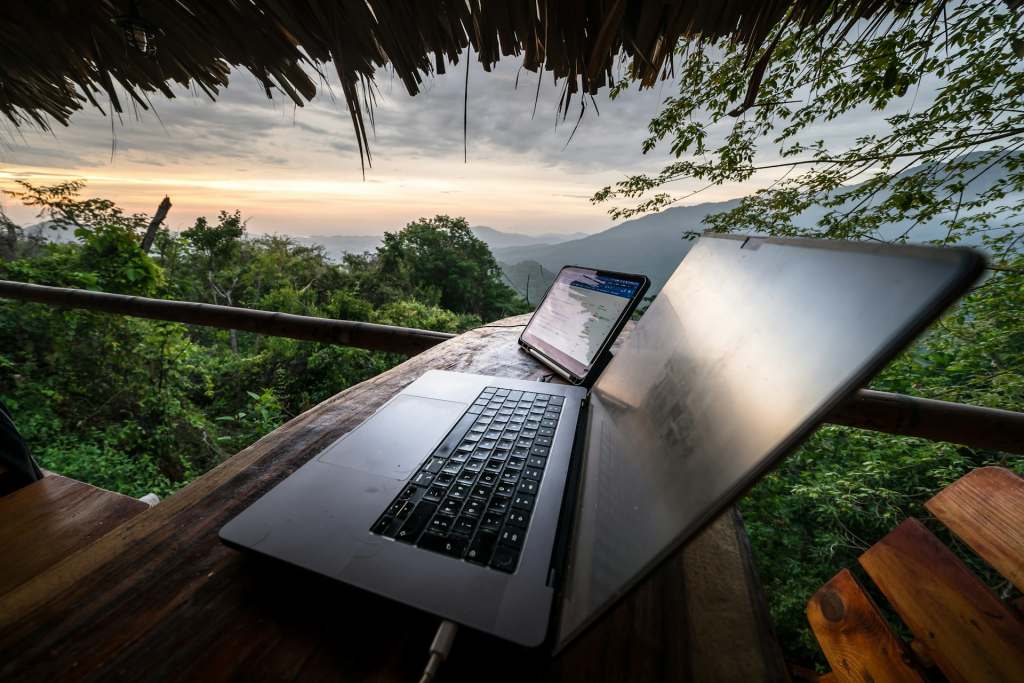
More than one in three digital nomads today are between 40 and 59, according to recent surveys on remote work and travel. That number says a lot on its own. It cuts through the assumption that location independent work belongs to twenty-somethings sipping cocktails in Bali. The truth is that plenty of people choosing to work remotely and travel full-time are carrying mortgages, aging parents, decades of professional experience, and, frankly, more sense than the stereotype gives them credit for. Becoming a digital nomad after 40 is not a midlife crisis dressed up as productivity. Done with some planning, it is a considered and increasingly practical way to live and work.
This isn’t here to sell you a course or push a string of affiliate links. It’s an honest account of what becoming a digital nomad after 40 actually involves: the logistics, the challenges, the financial realities, and the rewards that most people in this age group don’t see coming until they’re already living them.
Why the Digital Nomad Lifestyle Suits You More Than You Think
Most people assume this lifestyle is built for younger generations, people without mortgages, dependents, or the kind of life experience that makes you cautious about novelty for its own sake. The opposite tends to be closer to the truth. People coming to this in their forties and fifties often arrive with advantages that younger nomads spend years trying to acquire: professional experience in a marketable field, financial awareness, the ability to hold a routine under pressure, and a clearer sense of what you actually want out of travel.
Older travelers also tend to be better at slow travel, staying in one place for weeks or months instead of hopping countries every few days. It’s a pace that suits people who’ve already done the sprint-style tourism and know it wears thin. Staying longer cuts your costs, helps you keep a working routine while still exploring, and gives you an actual experience of a place instead of a highlight reel. You get to engage with a culture at a depth a week-long holiday rarely allows.
None of this is fringe anymore either. Remote work has expanded fast since 2020, and fields like IT, education, digital marketing, design, and consulting now offer flexible arrangements suited to professionals with an established track record. If you’re already self employed or run your own business, the shift is more logistical than conceptual. You’re changing where you work, not how.
Financial Groundwork: The Part That Actually Matters
Before you start researching destinations, sort out your income. This part isn’t optional. Build a cushion of six to twelve months of living expenses before you leave. People making this move later in life often carry obligations, mortgages, family responsibilities, retirement contributions, that a 26 year old renting a room simply doesn’t have. Cash flow uncertainty is one thing at that age. It’s a different kind of stressful when you have more riding on it.
A few income streams beat relying on one. Freelance work, a remote job, some passive income from investments or content, maybe gig work on the side: together these give you a more stable picture. None of it is mysterious, but your income needs to be proven and consistent before you leave, not something you’re still figuring out once you’re abroad. It’s also worth keeping retirement contributions going while you travel. Treat this as a shift in how you live, not a sabbatical from planning ahead.
Health insurance gets its own paragraph because it deserves one. Comprehensive international coverage matters a lot more once you’re over 40, and it’s one of the costs younger travelers skip that older travelers really can’t afford to. Travel insurance is a different product and won’t cover what health insurance does. Budget for both.
Choosing Your Digital Nomad Destination
Picking a base after 40 is a different calculation than it is at 25. Low costs and fast wifi still matter, but you’re also weighing decent infrastructure, accessible healthcare, coworking spaces that actually suit how you work, and a community that includes other remote workers with a similar outlook on life.
Chiang Mai and Bangkok stay popular for their affordability and coworking culture. Thailand also offers a retirement visa for those over 55, giving longer-term legal residency to people in that range. Tbilisi and Buenos Aires combine affordability with real local character. Mérida in Mexico and Valencia in Spain get recommended often for their community and comfort, both draw people who want a sustainable daily life over a party scene. Berlin and Prague appeal for infrastructure and connectivity, while New Zealand suits those after landscapes and friendly locals, and fewer bureaucratic headaches to boot.
Sorting out immigration properly matters more than people expect. Requirements vary a lot by country, and some, Portugal, Georgia, and Costa Rica among them, run specific visas built for remote workers. Look into this well before you travel, not the week before your flight. An overstay isn’t a minor paperwork issue. It can mean bans, fines, and a real disruption to whatever you’ve built.
Accommodation and the Digital Nomad Life in Practice
Fast wifi is close to non-negotiable, and most people at this stage also want somewhere quiet and comfortable, not a bunk in a party hostel with shared bathrooms and constant noise. Affordable housing options have gotten a lot better for remote workers generally. Long-stay rental platforms have made this much easier than it used to be, letting you filter by amenities, lease length, and location instead of relying on short-stay sites priced for tourists rather than people actually living somewhere.
It’s worth understanding how these platforms work before you leave. Most offer monthly furnished rentals with utilities bundled in, which simplifies your budgeting and skips the hassle of negotiating separately with a local landlord in a language you might not speak. I’ve spent an evening or two just scrolling through listings on RentRemote to get a feel for what’s realistic in a given city before committing to it. Staying a few months minimum in one place tends to be both cheaper and better for actually getting work done, and it gives you time to find coworking spaces that suit you and start building the kind of social fabric that keeps isolation, a real risk in this lifestyle, from creeping in.
If you’re making the move with a partner or family, the accommodation criteria shift again. A dedicated workspace, reliable internet, and proximity to schools or amenities become as important as square footage and price. The community has plenty of resources for this too. Facebook groups organised by city or country are genuinely useful for current, ground-level advice on neighbourhoods, landlords, and the logistics nobody puts in a brochure.
Building Skills, Community, and a Sustainable Routine
None of this requires you to be a developer or a copywriter, but your income does need to be deliverable entirely online. If your current work isn’t structured that way, it’s worth building a few digital skills. Courses in digital marketing, web design, project management, or content creation are widely available now, and usually shorter than people expect. Plenty of part-time remote roles also exist for people who’d rather transition gradually than quit everything at once. IT and education in particular actively recruit experienced remote workers, and years of expertise translate well once the work happens online.
The social side deserves honest attention too. Loneliness is a common issue for digital nomads generally, and it hits differently for people used to established social networks built over decades. Younger nomads tend to socialise through hostels or events aimed squarely at their age group. Those networks aren’t as automatic once you’re in your forties or fifties. Most people find they build stronger local connections through shared interests instead: language exchanges, sports clubs, volunteer groups, coworking events. The community in most mid-sized cities is more accessible than it looks from the outside, and connecting with other remote workers on a personal level pays off both professionally and personally.
Shifting from a vacation mindset to something sustainable is really the central challenge here. You’re not on holiday. You’re living and working somewhere new, adjusting to a different culture, managing what’s still going on back home, aging parents, property, finances, friends you don’t want to lose touch with, and trying to hold onto focus and output at the same time. Getting that balance right doesn’t happen by accident. The people who make this last aren’t the ones who treated it as an escape. They’re the ones who treated it as a different kind of commitment, one that happened to involve more of the world instead of a single postcode.
Practical Steps to Become a Digital Nomad After 40
The path here is clearer now than it’s ever been, and the only age limit is the one you put on yourself. Start by looking honestly at your income: can it be delivered entirely remotely, or does it need some transition, retraining, or a conversation with your employer first? Then look at your obligations, family, finances, the practical ties that need planning rather than abandoning. Most of these can be managed. Very few are actual barriers.
Get involved with the community before you leave, not after. Facebook groups, Reddit forums, and city-specific Slack channels are full of people who’ve already worked through the exact problems you’re anticipating. Look specifically for others who made this move later in life. Their experience with healthcare, visas, accommodation, and the adjustment itself is a lot more relevant to your situation than advice from someone with no mortgage and no dependants.
Pick one base you can actually test. Spend some time on a platform like RentRemote to get a sense of what’s realistic before committing, then choose a destination and treat the whole thing as a genuine trial rather than a holiday. If the daily rhythm holds, if the internet is reliable, the costs are sustainable, the coworking spaces work, and life feels liveable rather than just photogenic, you have your answer. Done properly, this is less about everything you leave behind and more about building something that works better than what you had. It turns out you need a lot less than you think you’re carrying.