


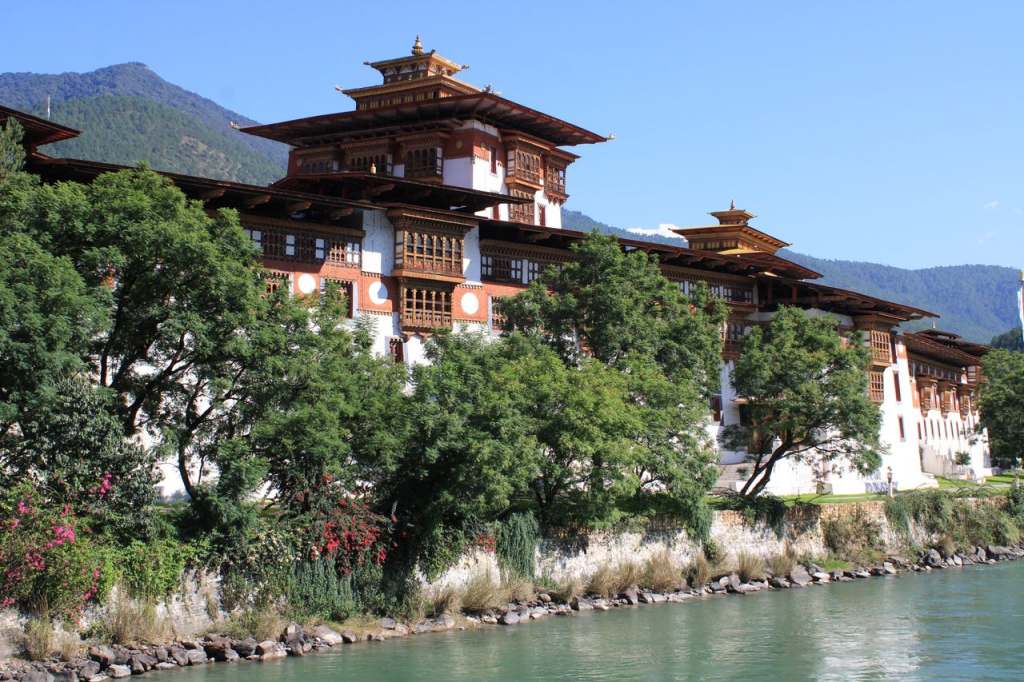
Planning your first trip to Bhutan? Get ready for a place where monasteries balance on cliffs, prayer flags flutter across mountain passes, and yaks might hold up traffic more often than traffic lights. If Tiger’s Nest Monastery, the Punakha Dzong, and colourful Tshechu festivals are already on your bucket list, a little planning will make the experience even better.
Before you go, it’s worth understanding entry permits, the Sustainable Development Fee, altitude, local etiquette, what to pack, and the best time to visit. With these practical Bhutan travel tips, you don’t only avoid common mistakes but also smartly plan your budget and travel with confidence. Whether you’re comparing Bhutan packages or planning your itinerary, this guide covers everything Indian travellers need to know before exploring the Land of the Thunder Dragon.
Visa & Entry Requirements: What You Need Before You Go
If you’re traveling to Bhutan from India, you have good news, and it is that you won’t need a visa. All you need is an entry permit, which you can get using a valid passport or your voter ID. Flying is the quickest option. You can catch direct flights to Paro International Airport from New Delhi (DEL), Kolkata (CCU), and Bagdogra (IXB).
Prefer a road trip? Cross into Bhutan through Phuentsholing, the country’s busiest and most convenient land entry point. Before you set off, carry printed copies of your identity document, entry permit, travel insurance, and hotel or tour bookings.
Understanding Bhutan’s Sustainable Development Fee (SDF)
Calculating your Bhutan travel cost? Don’t forget to budget for the Sustainable Development Fee (SDF). Indian travellers currently pay ₹1,200 per person, per night. You may wonder if it is just another travel expense. It’s actually one of the reasons Bhutan has managed to protect its forests, preserve its culture, and invest in public infrastructure, healthcare, and education. One last tip. Check the latest SDF guidelines before confirming your bookings, as rules and concessions can change.
Best Time to Visit Bhutan for Perfect Weather and Festivals
Planning your dates is one of the smartest Bhutan travel tips you’ll come across. You can consider booking your trip during spring (March to May) and autumn (September to November). Expect pleasant temperatures between 15 and 25°C in lower valleys like Paro, Thimphu, and Punakha. You’ll also get clear Himalayan views, excellent trekking conditions, blooming spring flowers, colourful autumn landscapes, and festivals such as Paro and Thimphu Tshechu.
Winter (December to February) is a different story. Nights at higher elevations often dip below 0°C. The upside? Fewer crowds, more peace, and a chance to spot black-necked cranes in the Phobjikha Valley. The birds clearly know how to pick a winter getaway.
Smart Packing Tips for Bhutan’s Mountain Climate
Packing for Bhutan is less about fashion and more about being ready for surprises. One minute you’re enjoying the sunshine; the next you’re reaching for a jacket. Don’t let the sunshine of Bhutan fool you. Pack moisture-wicking clothes, a fleece, and a waterproof jacket. Add sturdy walking shoes, sunglasses, sunscreen, lip balm, a reusable water bottle, and rain gear. Bring your medicines, a basic first-aid kit, and a universal adapter. Heading for the trails? Add thermals, gloves, trekking poles, and hiking socks.
Respecting Bhutanese Culture: Local Customs and Etiquette
Spend a day in Bhutan, and you’ll see that good manners aren’t just appreciated. They’re simply how things are done. Planning to visit monasteries, temples, dzongs, or sacred sites? Cover your shoulders and knees. It’s an easy way to blend in and avoid becoming the unexpected attraction of the day. Before entering a monastery, remove your hat and avoid touching religious objects unless a monk or guide tells you it’s okay. You’ll also see prayer wheels and stupas throughout the country.
As a part of Bhutan travel tips, you need to remember the local custom is to walk around them in a clockwise direction.
Preparing for Bhutan’s High Altitude
One of the smartest tips in the Bhutan travel guide is to give your body time to adjust to the altitude. Places like Thimphu, Paro, Phobjikha Valley, and Dochula Pass are over 2,000 metres, while many trekking routes climb much higher. Take it easy on your first day, drink plenty of water, skip the alcohol, and eat light meals. If you develop a severe headache, dizziness, nausea, or shortness of breath, seek medical help. Climbing slowly and packing warm layers will make the journey much more comfortable.
Money Matters: Cash, Cards, and ATMs in Bhutan
You won’t have to do mental math every time you buy something because the Bhutanese Ngultrum is equal in value to the Indian Rupee. Good news? Indian Rupee notes are widely accepted, but you need to keep smaller notes handy, especially if you’re heading beyond major cities like Paro and Thimphu. In rural Bhutan, cash is still the main way to pay. Your card might just end up enjoying the scenery.
Travel Insurance: A Must for a Worry-Free Trip
You might not get the same thrill as booking your stays and activities for Bhutan while planning travel insurance. It may be one of the most boring Bhutan travel tips but the smartest, as it helps you cover all unexpected situations like medical treatment, hospital stays, emergency evacuation, baggage loss, flight delays, cancellations, and trekking. Before you pack, spend five minutes reading the policy. Make sure high-altitude travel is covered; save the emergency assistance numbers and carry printed as well as digital copies.
Internet & Mobile Connectivity: Staying Connected in Bhutan
Treat reliable internet in Bhutan as a pleasant bonus, not a guarantee. Cities and tourist hotels are usually well connected, and many cafés have Wi-Fi too. Wander into remote valleys or trekking routes, though, and your phone might suddenly decide it’s on a digital detox.
If you need mobile data, grab a local SIM from Bhutan Telecom or TashiCell with your passport. One of the most useful Bhutan travel tips is to download offline maps and save digital copies of your travel documents before heading into areas with limited mobile coverage.
Discover Gross National Happiness: Bhutan’s Unique Way of Life
One quick read before your trip can change how you see Bhutan. That’s Gross National Happiness (GNH). It’s more than a catchy name. It shapes decisions around tourism, education, healthcare, conservation, culture, and development. Economic growth is part of the picture, just not the whole frame. That explains a lot once you’re there. Fewer crowds. More green spaces. Things move slower here, and that’s completely intentional. The only thing rushing is probably your return flight.
Must-Try Bhutanese Food: Flavors You Shouldn’t Miss
You think you can handle spicy food? Bhutan is quietly waiting to test that confidence. Most meals feature chilies, cheese, buckwheat, rice, and seasonal vegetables, with Ema Datshi leading the way. Don’t stop there. Try kewa datshi, phaksha paa, jasha maru, momos, red rice, and suja, the local butter tea.
Vegetarian food is easy to find, especially in towns with Bhutan travel guide. If spice isn’t your best friend, say so while ordering. Your future self will appreciate the honesty.
Book Early: Flights and Accommodation Fill Up Fast
If you’re planning your trip from India, don’t leave your bookings until the last minute. Flights to Paro fill up quickly during spring, autumn, and festival season. The best hotels, experienced guides, and trekking stays disappear soon after. Reserve your trip a few months ahead to keep your Bhutan travel cost in check. If you’re travelling with family or friends, you’ll also find more flexible Bhutan group tour packages before the best ones sell out.
Now you’re ready for Bhutan. Pack your layers, charge your camera, and keep a little extra room in your itinerary for surprises. You’ll go looking for famous monasteries and leave remembering quiet valleys, friendly smiles, and a cup of butter tea you still can’t decide whether you liked. Either way, it’s a trip you’ll remember long after you return, especially with these travel tips already in your back pocket.