


Why Italy Keeps Pulling in Travelers Year After Year
Italy remains one of the world’s most visited countries because it offers an exceptional combination of history, culture, cuisine, architecture, and natural beauty. Whether the plan is wandering Rome’s ancient ruins, soaking in Florence’s art, drifting through Venice’s canals, shopping Milan’s fashion district, or chasing views along the Amalfi Coast, how you actually get there can shape the whole trip more than people expect.
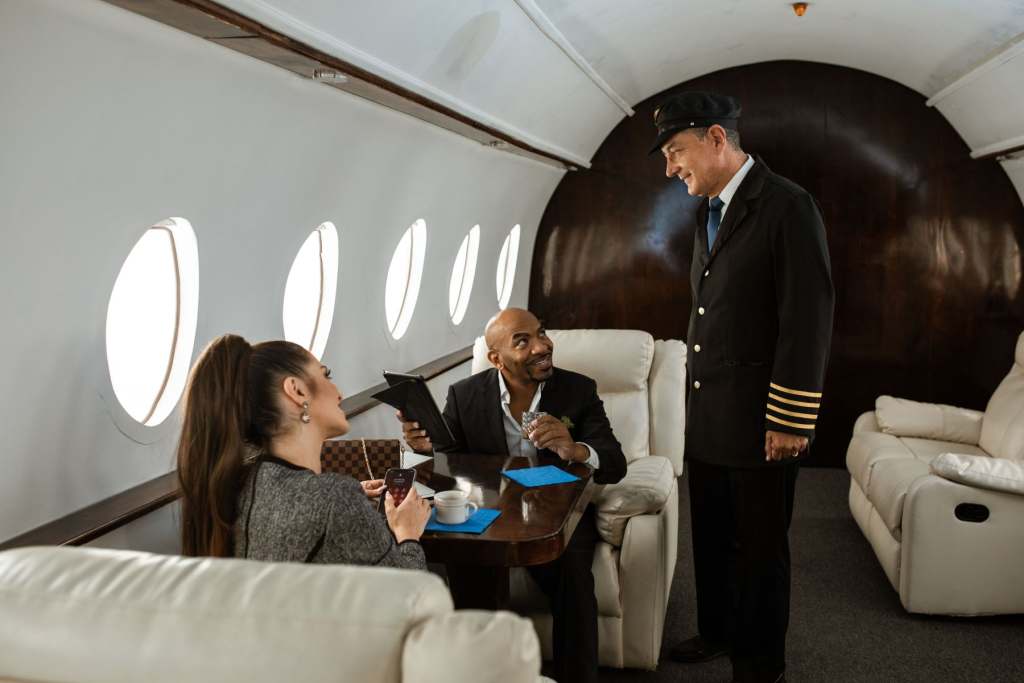
For long-haul travel especially, a lot of passengers weigh premium cabin options as a way to cut down on travel fatigue and land feeling like an actual human being. Knowing how premium air travel works — what’s typically included, and when upgrading actually makes sense — helps travelers make a smarter call. Anyone looking into business class flights to Italy is usually trying to answer the same basic question: does the extra comfort actually justify the cost, especially on an overnight or intercontinental route?
What Actually Sets Business Class Apart
Business class exists to offer more comfort and convenience than economy — that part’s obvious. What varies is how each airline delivers on that, since services differ quite a bit between carriers and even between aircraft types.
Most business cabins give passengers bigger seats, noticeably more legroom, deeper recline, and on a lot of long-haul routes, a fully flat bed. That last part matters more than people realize — being able to actually lie down on an overnight flight makes a real difference, especially crossing several time zones at once.
Beyond the seat itself, extras tend to include:
- Priority check-in and boarding
- Higher baggage allowances
- Access to airport lounges
- Better dining options onboard
- Larger entertainment screens
- More privacy than you’d get in economy
What’s actually included depends heavily on the airline, the aircraft, and the specific route — so it’s always worth checking the cabin details before booking rather than assuming.
When Business Class Is Actually Worth It
Not every trip calls for premium seating, but some situations make it a lot more appealing than others.
Long international flights — especially anything past the eight-hour mark — tend to be where comfort starts mattering more than price. Overnight flights are another common trigger, since better rest can genuinely take the edge off jet lag once you land.
Business travelers often lean toward premium cabins simply because showing up well-rested actually helps when there’s a meeting or conference waiting on the other end. Leisure travelers marking something special — an anniversary, a honeymoon — sometimes treat the flight itself as part of the celebration, not just a means to an end.
At the end of the day, it really comes down to what matters most to you: flight length, budget, and how much comfort actually factors into your travel priorities.
Where You’ll Land in Italy
Italy has several major international airports, each opening up a different part of the country.
Rome
Rome’s main airport works as the country’s biggest international gateway, putting you within easy reach of the Colosseum, Vatican City, and the Roman Forum.
Milan
Milan pulls in both business and leisure travelers. It’s known for fashion, finance, and shopping, and it also sits close to northern Italy’s lakes and mountain destinations for anyone wanting to venture further out.
Venice gets you straight into one of Europe’s most unusual cities — the canals, the historic architecture, and the cultural weight that comes with it.
Florence
Some travelers fly into nearby airports and continue on by train, but Florence itself remains a magnet for anyone chasing Renaissance art and the broader Tuscan culture around it.
A Little Planning Goes a Long Way
Booking an international flight isn’t just about picking dates. It usually pays off to compare schedules, aircraft types, layover lengths, and cabin configurations before locking anything in.
Some airlines fly newer planes with modern business class seats, while others are still running older cabin layouts — and the difference between the two can be significant. Checking seat maps, reading traveler reviews, and looking into an airline’s fleet details ahead of time can save you from an unpleasant surprise once you’re already in the air.
Staying flexible with travel dates also tends to open up more options, both for preferred flight times and better seating availability.
Getting Ready for a Long-Haul Flight
No matter which cabin you’re flying in, a little preparation makes the whole journey more bearable.
Worth keeping in mind:
- Staying hydrated the whole flight
- Wearing something actually comfortable
- Bringing noise-canceling headphones if that’s your thing
- Adjusting your sleep schedule ahead of time when crossing time zones
- Keeping important documents within easy reach
- Packing essential medications in your carry-on, not checked luggage
It’s also worth double-checking baggage allowances and entry requirements before you leave, just to avoid any last-minute headaches at the airport.
Timing Your Trip Around the Seasons
Travel demand in Italy shifts a lot depending on the time of year.
Spring and autumn tend to be the sweet spot — milder weather, smaller crowds in most places. Summer is peak season, especially along the coast and in the bigger cities, while winter draws its own crowd chasing holiday markets and nearby alpine spots.
Peak periods generally mean higher demand across every cabin class, business included. Booking well ahead of time usually means more choice — both in departure times and seat availability.
What Airlines Actually Offer Onboard
Business class isn’t a one-size-fits-all experience across airlines. Some carriers put their energy into onboard dining, others focus more on privacy or sleep comfort, and some lean into airport-side service instead.
Common amenities to look out for:
- Multi-course meals
- Premium beverage service
- Amenity kits with the usual travel essentials
- Bedding built for overnight flights
- Power outlets and USB charging at your seat
- Wi-Fi, on select aircraft
If certain amenities matter more to you than others, it’s worth comparing airlines closely rather than assuming they’re all roughly the same.
Making the Call That Actually Fits You
Choosing the right flight really comes down to balancing comfort, convenience, travel time, and budget — and there’s no single right answer. For some travelers, premium seating makes a real difference on a long international trip. Others would rather keep the fare low and put that extra money toward experiences once they’ve actually landed.
When it comes to business class flights to Italy specifically, it’s worth looking past the ticket price alone and weighing the full picture — onboard services, aircraft type, airport facilities, and how the overall schedule lines up with your plans. Getting that comparison right tends to pay off in a smoother trip and a better start to exploring one of Europe’s most loved destinations.