


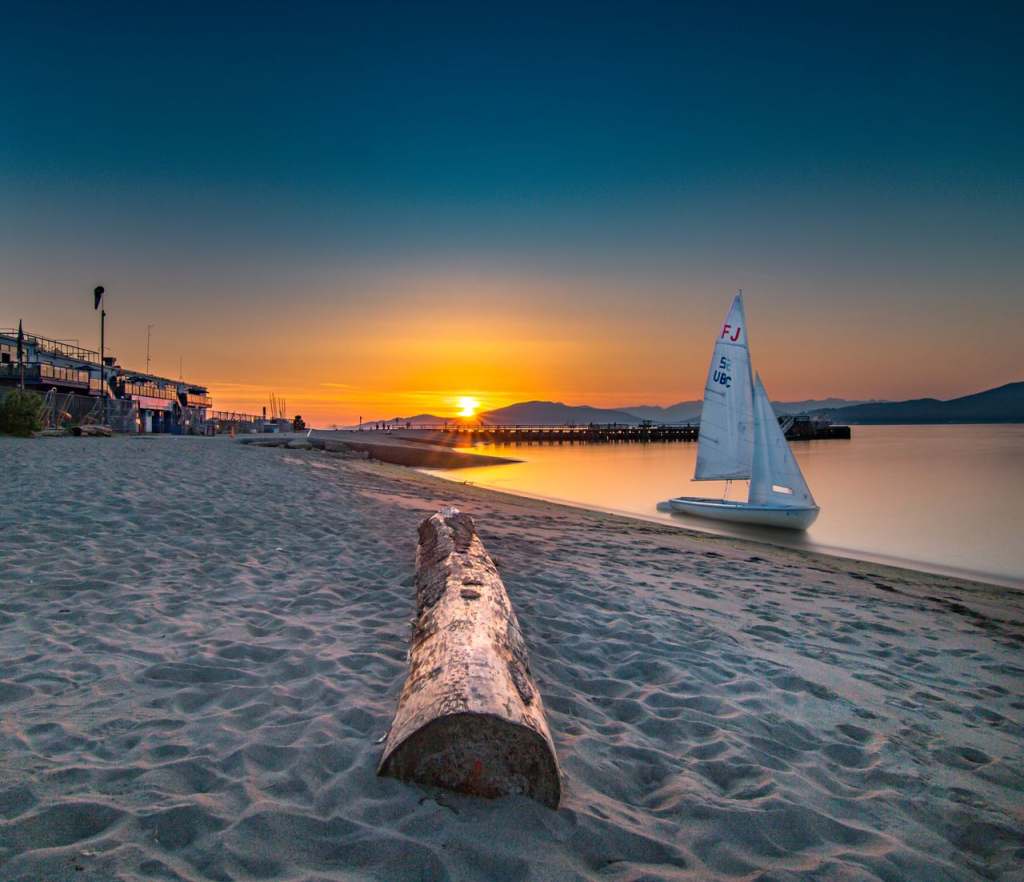
A nude beach in Canada is usually better understood as a clothing-optional or naturist beach: somewhere visitors may swim or sunbathe without clothing, while others may stay covered. Canada has a few established public options, plus unofficial or locally tolerated places that may not be signed, serviced or suitable for casual visitors.
Are there nude beaches in Canada?
Yes, there are nude beaches in Canada, but they are not common in the way they are in parts of Europe. For most travellers, the clearest choices are designated or long-established clothing-optional beaches with a recognised local culture. Elsewhere, naturist use may depend on custom, remoteness and local enforcement, so do not assume that a quiet beach is acceptable for nudity.
The practical answer is simple: choose an established clothing-optional area, read signs on arrival and check the relevant park, city or beach authority before travelling. Atmosphere varies from urban beach to remote, bring-everything shoreline.
Best nude beaches in Canada: where to start
The best nude beaches in Canada for first-time visitors are generally the official or clearly established ones. Wreck Beach in Vancouver, British Columbia, is one of Canada’s best-known clothing-optional beaches, below the University of British Columbia by Pacific Spirit Regional Park. It is scenic and sociable, but access involves steep steps, so pack light, wear sensible footwear and bring water.
In Toronto, Hanlan’s Point Beach on the Toronto Islands is the key public option in Ontario. It is reached by ferry or water taxi and sits within a well-used city beach area, with supervised swimming in season. Check transport, water quality and lifeguard information before setting out.
Nude beaches in Ontario Canada
Searches for nude beaches in Ontario Canada usually lead to Hanlan’s Point, the province’s most visible clothing-optional public beach. Ontario also has private naturist clubs and resorts, which can be a more structured choice if you want clear rules, facilities and a community setting rather than a public beach.
Do not treat every quiet lake shore as clothing-optional. Ontario’s public beaches are managed by municipalities, conservation authorities or parks, and expectations can differ. Where there is no clear designation, keep swimwear on and look for a private naturist venue instead.
Are nude beaches legal in Canada?
Broadly, nude beaches are legal in Canada where the beach or area is properly designated, or where clothing-optional use is clearly accepted by the managing authority. Public nudity is not a general right everywhere, and rules involve federal law, provincial context and local park or beach regulations.
Think in terms of permission and place. A signed clothing-optional beach is very different from a family beach, town park, campsite, trail or car park. When in doubt, cover up, ask staff if available, and check current official guidance. This article is a travel guide, not legal advice.
How to plan a nude beach in Canada visit
Season matters. Canada’s warmest beach months are usually summer, although the Pacific can feel cool even on sunny days and lakes can be brisk outside high season. Bring a towel or sarong, sunscreen, drinking water, layers, footwear for stones or hot sand, and a bag for rubbish. At remote beaches, do not rely on toilets, food stalls, lifeguards or mobile signal.
Clothing-optional means exactly that. You do not have to be nude, and you should not pressure anyone else to undress. Many visitors cover up when walking, buying food or leaving the beach.
Nude beach etiquette in Canada
Good naturist etiquette is mostly common courtesy. Give people space, avoid staring, keep conversation polite and sit on your own towel. Never photograph or film anyone without explicit consent, even in the background of a landscape shot. If you want a memory of the view, aim away from people or take photos elsewhere.
Keep behaviour non-sexual and respectful. Nude beaches are shared public or community spaces, not adult entertainment venues. Respect families, couples, solo travellers and regular local users. Follow posted rules on alcohol, dogs, fires, dunes, wildlife and protected habitats.
Finally, remember that many beaches sit on or near lands with long Indigenous and local histories. Travel lightly, use established paths, take litter away and adapt to local customs rather than expecting every beach to work the same way. Before travelling, check the latest municipal, park or beach guidance, as access, facilities and accepted use can change.
For somewhere a bit warmer you might like to read our guide on the best nude beaches in Miami Fl.