


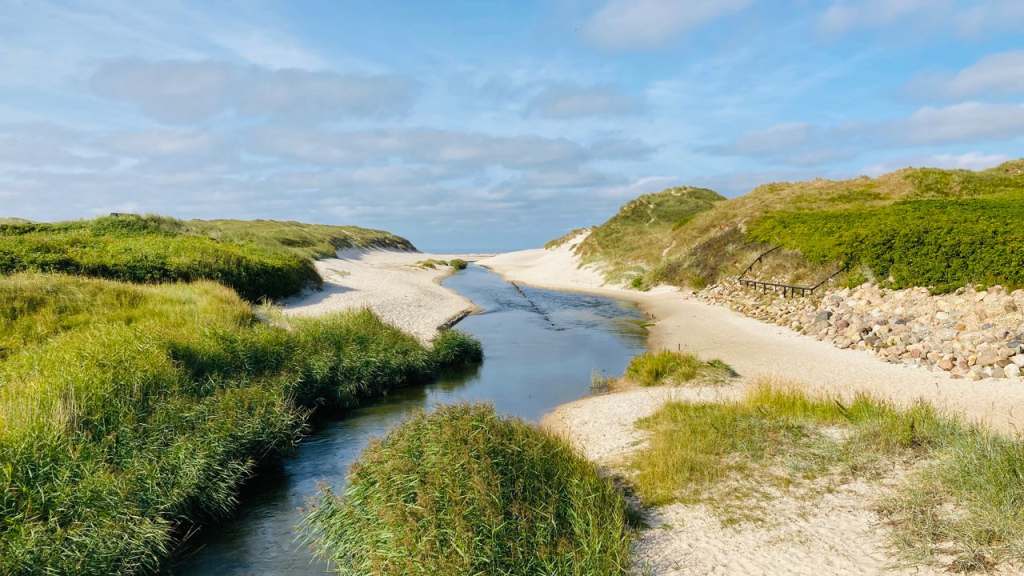
Nude beaches in Denmark are less about fenced-off resorts and more about a relaxed beach culture in which considerate nude bathing is widely accepted on public beaches. For British travellers used to more formal naturist areas, Denmark can feel refreshingly low-key: some places are signposted or recognised as naturist, while others are quiet stretches of coast where clothing-optional bathing is tolerated by custom.
Are there nude beaches in Denmark?
Yes, though not always in the way visitors may expect. Denmark has known naturist beaches and FKK areas, but many are not managed, ticketed or separated from the wider beach. A Danish “nude beach” may be a signed naturist section, a well-established local spot, or a broad public beach where people choose swimwear or no swimwear while keeping a respectful distance.
This means planning is practical rather than complicated. Check local tourism guidance, Strandguide listings, recent signage and municipal notices before you travel. Where a beach is mainly used by clothed bathers, choose a quieter end and be considerate.
Are nude beaches legal in Denmark?
As a general rule, Danish tourism and naturist guidance says nude bathing is possible on nearly all Danish beaches unless a local sign states otherwise. The important point is conduct: simple nude sunbathing or swimming is treated differently from behaviour that disturbs, harasses or offends others.
For travellers, the practical interpretation is straightforward. Nude bathing should be calm, non-sexual and discreet. Do not assume that every car park, café terrace, harbour bath or family picnic area is clothing-optional. When in doubt, follow local signs, ask at a tourist office, or choose a recognised naturist section.
Official, signposted and tolerated naturist areas
The useful distinction is between official or signposted areas and beaches where naturism is a local tradition. Some places are clearly promoted for naturist bathing. Houstrup Beach in West Jutland has a recognised naturist section south of the main bathing area, with parking and toilets nearby. Risemark Strand on Ærø is described by local tourism material as having a signposted FKK naturist area, with parking and lavatory facilities. North of Øster Hurup, a peaceful clothing-optional beach is reached from parking on Dokkedalvej, though spaces are limited and visitors may need to walk along the shore.
Other beaches are more informal. Kærsgaard Strand near Hirtshals is noted in Danish naturist guidance as a broad, quiet naturist beach with dunes, but limited facilities. On Falster, Bøtøskoven and Skelby Strand are often mentioned as good options; check access, parking and current signage.
Best nude beaches in Denmark: how to choose
The best choices are not necessarily the busiest or best known. The right beach is one with space, straightforward access, clean water, shelter from the wind and a calm atmosphere.
On the North Sea coast, expect wide sand, dunes and bigger waves. These beaches can be magnificent, but wind, surf and currents deserve respect. The Kattegat and Baltic-facing coasts can feel gentler, with shallower water in some areas and a more sheltered character. Islands such as Ærø and Falster work well if you are combining naturism with cycling, walking or a slower-paced holiday.
Facilities vary greatly. A signed naturist area may still be a natural beach with little more than a car park and a path through the dunes. Bring water, sun protection, a towel, wind protection and footwear for hot sand, stones or marram-grass paths. Accessible access is not guaranteed; dune paths and beach tracks can be difficult for travellers with reduced mobility.
Seasonality and practical expectations
The main beach season is summer, especially on warm days from June to August. May and September can be peaceful, but sea temperatures and wind may make longer stays less comfortable. Outside summer, facilities such as toilets, kiosks and lifeguard cover may be reduced or absent.
Denmark’s weather changes quickly, particularly on exposed west-facing coasts. Pack layers, check bathing water updates, lifeguard information and flags where available, and treat the sea with the same caution you would anywhere else in northern Europe.
Nude beach etiquette in Denmark
Naturism in Denmark is generally quiet, practical and unsensational. Give people space, avoid staring, and put clothing back on when leaving the beach for paths, shops, cafés, campsites or public transport. Always sit or lie on your own towel, especially on shared benches or dune shelters.
Photography requires particular care. Do not photograph or film other beach users without explicit consent, and be cautious even with selfies if people could appear in the background. Families may be present on Danish beaches, including naturist areas, so privacy and discretion matter.
Sexual behaviour, harassment and intrusive attention are not naturism. If you prefer a clothing-optional experience, choose established areas, arrive with modest expectations and behave as you would in any shared public space.
Before you go
Denmark is one of Europe’s easier countries for respectful naturist beachgoing, but local conditions still matter. Before travelling, check current official tourism guidance, local signs, beach access notes and recent naturist listings. Treat “clothing-optional” as a privilege based on consideration, not an invitation to ignore local customs, other visitors or basic beach safety.