


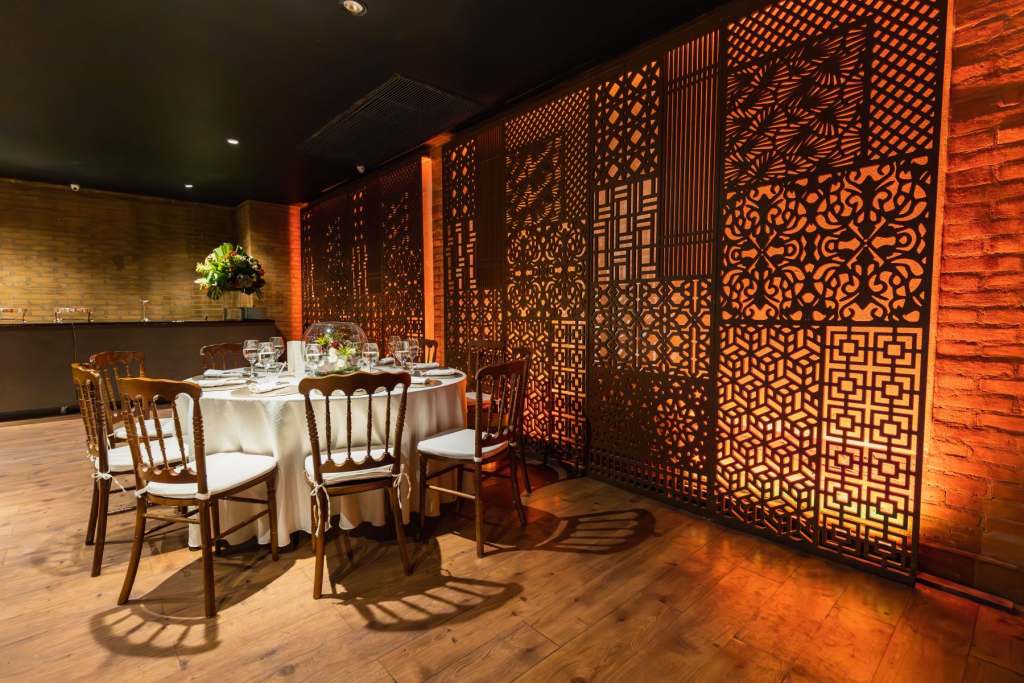
An upscale private dining room gives a group more than a door and four walls. It creates a setting where timing, conversation, and comfort remain in control from arrival through dessert. Guests usually notice the difference in noise level, staff attention, and the ease of moving through a meal with purpose. For business hosts, families, or social planners, that structure often determines whether the gathering feels polished or merely expensive.
Why the Room Matters
Room choice affects the entire evening, long before the first plate lands. Guests reviewing steakhouses in Dayton, Ohio, often compare privacy, seating layout, menu options, service rhythm, and sound control before booking. Those details matter because a private space shapes eye contact, speaking volume, pacing, and comfort, which can either support the occasion or quietly work against it from the start.
Arrival Sets the Tone
The opening minutes often reveal how well the event will run. Staff should greet the party promptly, confirm names, and handle schedule notes without confusion at the host stand. Coats, gifts, flowers, and presentation materials need an obvious place, so tables stay orderly. When that first transition feels smooth, guests settle in faster and the gathering begins with calm focus rather than needless friction.
Space and Seating
Layout has a direct effect on comfort and participation. Tables should keep guests near enough for easy discussion, while still leaving servers clear paths for movement and plate service. Sightlines matter as well, especially during toasts or brief remarks. Nobody should need to twist sideways to follow the room. Good spacing supports posture, attention, and a more natural conversational flow.
Privacy With Access
A private room should feel protected without becoming cut off. Reduced noise and fewer walk-bys allow conversations to stay contained, which matters during client dinners, family discussions, or sensitive celebrations. At the same time, staff access must remain simple and discreet. Servers should enter quietly, clear courses without interrupting exchanges, and answer requests promptly. That balance keeps the room composed rather than closed in.
Service Pace
Fine private dining usually depends on tempo as much as food quality. Courses should arrive with enough time for discussion, though never with gaps so long that attention drifts. Skilled teams read body language, adjust timing around speeches, and know when a table needs a pause. Water refills, crumb clearing, and plate retrieval should happen almost invisibly, because visible scrambling weakens the sense of control.
Menu Planning
Preselected menus are often better suited to private events than broad standard ordering. They simplify kitchen timing, reduce table-side hesitation, and make dietary coordination more reliable. Guests should still have meaningful choice within each course, along with clear accommodation for allergies, texture limits, or ingredient restrictions. A strong meal progresses with balance, offering enough richness to satisfy without creating heaviness that slows conversation late in the evening.
Beverage Choices
Drink planning should match the purpose of the gathering, not compete with it. A business dinner table may call for measured wine service and steady water attention, while a celebration can support a wider list. Nonalcoholic options deserve equal care, including pairings that suit the meal rather than feeling like afterthoughts. Well-timed beverage service supports appetite, social ease, and the overall rhythm of the table.
Timing for Each Course
Course timing shapes memory more than many hosts expect. A rushed progression cuts off good discussion, while long pauses can flatten energy and make the room restless. Guests should notice a steady sequence from starters through dessert, with transitions that respect both appetite and schedule. That cadence becomes even more important when remarks, awards, or family tributes need space without disrupting kitchen flow.
Technology and Details
Many private events ask the room to handle more than dinner. Some groups need a screen, charging access, microphones, or place cards. Others bring gifts, printed agendas, or materials for short presentations. An upscale venue should manage those practical elements without visible strain. Prepared logistics protect the atmosphere, prevent awkward delays, and let guests focus on the reason everyone gathered in the first place.
Atmosphere Signals Quality
Physical comfort often determines whether a room feels premium. Lighting should flatter faces while keeping menus readable. Temperature needs close control, since a warm, crowded room can dull appetite and shorten patience. Acoustics matter just as much because hard surfaces can scatter sound and force raised voices. Crisp linens, spotless glassware, and restrained music complete the impression, creating ease without asking for attention.
Value Beyond Price
The cost of a private dining room covers far more than square footage. Guests are paying for controlled timing, staff concentration, privacy, and an environment built around a shared purpose. That value becomes clear when requests are handled quickly and the evening moves without visible strain. A higher check feels justified when the setting removes distractions and helps the event reach its intended outcome.
Conclusion
A refined private dining experience should leave guests feeling cared for, comfortable, and free to focus on the occasion. Strong pacing, thoughtful layout, attentive service, and practical planning all matter more than decoration alone. When those elements work together, the room supports conversation rather than competing with it. That is the standard people should expect from an upscale private dining room, whether the gathering is personal or professional.