


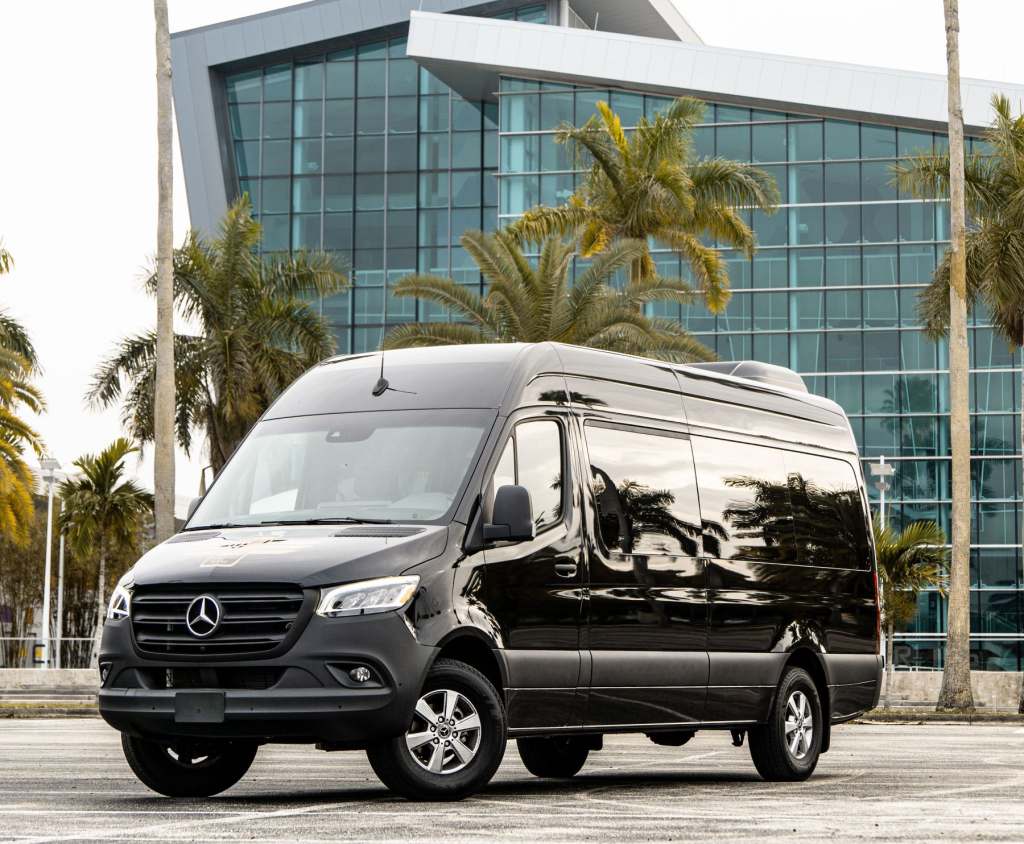
There is a point in life when the road trip still appeals, but squeezing luggage into a crowded car does not. Travellers want the freedom to take an unexpected detour; stay longer in places they love and bring family or friends along without sacrificing personal space. For those ready to make the journey as enjoyable as the destination, a Luxury Sprinter Van offers a compelling combination of comfort, flexibility and independence.
The Mercedes-Benz Sprinter has become a familiar presence on the world’s roads, serving everyone from adventurers to business travellers. In its luxury-converted form, however, it becomes something quite different: a refined space designed around the people inside it.
That distinction matters. A long-distance journey should not feel like something to endure before the holiday begins. With a thoughtfully selected Sprinter conversion, the travelling becomes part of the experience.
The Road Trip Has Grown Up
Many people over 40 remember road trips as exercises in compromise. Passengers took turns navigating from a paper map, luggage competed for space and every few hours brought another search for a reasonably clean place to stop.
Technology has solved some of those problems, but comfort remains just as important. We may still want to follow the open road, but we also know the value of supportive seating, an organised interior and enough room to relax.
A luxury Mercedes-Benz Sprinter van suits this more considered approach. It preserves the flexibility that makes road travel appealing while creating an environment better suited to extended journeys. Rather than dividing a group between several cars, everyone can share the same experience. Conversations continue between stops, plans can change together and nobody arrives half an hour later because they followed the wrong vehicle.
It is a sociable way to travel, but one that does not require passengers to sit shoulder to shoulder.
Space That Serves a Purpose
The appeal of a luxury Sprinter is not simply that it is larger than an ordinary car. It is that its interior can be configured for a particular style of travel.
Some conversions prioritise passenger seating and luggage capacity for family holidays. Others provide tables, entertainment systems or workspaces suitable for travellers who need to remain connected. Touring and cross-country configurations may be designed around long days on the road, while adventure-focused layouts can support travellers bringing additional equipment.
Features vary considerably between individual vans and converters, which makes the buying process important. The best layout is not necessarily the one with the longest specification sheet. It is the one that solves the practical problems encountered on the journeys you actually take.
Before choosing a van, consider:
– How many people will normally travel?
– How much luggage or specialist equipment will they bring?
– Will the van be used mainly for weekends, long-distance holidays or business travel?
– Is flexible seating more valuable than a fixed arrangement?
– Will passengers need tables, charging points or entertainment during the journey?
– Does anyone require easier access or additional space?
– Where will the vehicle be parked and stored between trips?
A family of four planning national park holidays will have different priorities from a group of friends touring wine regions. An executive traveller will want something different again. Starting with the intended use makes it easier to distinguish meaningful comfort from decorative extras.
Luxury Is About How the Van Feels
The word “luxury” can easily become shorthand for polished wood, ambient lighting and impressive electronics. Those details can be enjoyable, but genuine luxury is more closely connected to how a space works.
Can passengers sit comfortably after several hours? Is it easy to enter and leave the vehicle? Can everybody reach their belongings without unloading half the luggage? Does the cabin remain pleasant in changing weather? Can travellers talk without competing with excessive road noise?
The answers determine whether a van still feels luxurious on the third day of a journey, when practical design matters far more than first impressions.
Materials should be attractive, but they should also cope with real travel. Storage should be accessible rather than merely abundant. Technology should be intuitive enough that passengers can use it without consulting a manual every morning.
A good conversion should create the feeling that someone has considered the entire journey, not just the appearance of the showroom.
A Natural Fit for Group Travel
One of the greatest advantages of a Sprinter conversion is its ability to bring people together.
Milestone birthdays, anniversaries and family reunions increasingly inspire shared trips rather than formal parties. A road journey allows the celebration to unfold over several days, with time for meals, conversation and experiences along the way.
Multigenerational groups can benefit in particular. Children or grandchildren can bring the belongings that inevitably accompany them, while older relatives can travel without being confined to the back of a small car. Friends can share navigation and choose stops together instead of coordinating a procession of vehicles.
That shared space changes the character of the holiday. The funny conversation between destinations may become as memorable as the destination itself. Photographs can capture the scenery, but it is often these unplanned moments that people recall years later.
A Different Approach to Slow Travel
Slow travel is frequently associated with trains, walking holidays and long stays in one destination. A luxury van can support the same philosophy when it is used thoughtfully.
The objective is not to cover the greatest possible distance. It is to have enough independence to explore one region properly.
Instead of racing across several states in a week, travellers might follow a section of coastline, spend several days among mountain communities or create a route connecting independent vineyards and historic towns. With no need to catch a flight between each stop, the itinerary can respond to weather, energy levels and local recommendations.
A handwritten sign advertising a farm shop can prompt a detour. A quiet town can earn an additional night. A conversation over breakfast can lead to a landscape that never appeared in the original plan.
The vehicle provides freedom, but the traveller must still choose how to use it. Packing every day with hundreds of miles simply replaces one rushed holiday with another.
Comfort Can Encourage Better Travel
Comfort and adventure are often presented as opposites. In practice, comfort can make travellers more open to unfamiliar experiences.
After an exhausting journey, even an appealing walk or local restaurant can feel like too much effort. When the journey has been comfortable, there is more energy left for the destination.
This becomes increasingly relevant as travellers move beyond the idea that discomfort proves authenticity. There is no prize for arriving with a stiff back. Choosing supportive seating and a sensible itinerary does not make a journey less adventurous; it makes it more likely that everyone will enjoy the adventure when it arrives.
Comfort also gives a group more options. Travellers can bring walking equipment, photography gear or clothing for a special dinner without turning every packing decision into a negotiation. The ability to prepare for different experiences creates a richer journey.
Keep the Environmental Impact in Perspective
A luxury van should not automatically be described as sustainable. Any large vehicle consumes resources, and responsible travel requires honest choices.
There are, however, ways to use road transport more thoughtfully. A group travelling in one appropriately sized vehicle may avoid taking several separate cars. Choosing one region reduces unnecessary mileage, while longer stays can distribute spending beyond crowded attractions.
Travellers can also support the places they visit by staying at independent accommodation, eating at locally owned restaurants, hiring resident guides and buying directly from producers. Following parking rules, respecting residential areas and staying on marked trails protect the communities and landscapes that make road travel rewarding.
The goal is not to use the language of sustainability as decoration. It is to make practical decisions that reduce waste and leave more of the journey’s economic benefit with local people.
What to Check Before Buying
A luxury Sprinter represents a significant purchase, so an attractive interior should be the beginning of the evaluation rather than the end.
Prospective owners should inspect the seating configuration with their usual number of passengers in mind. They should check usable luggage space when every seat is occupied, ask how the conversion affects servicing and warranties and understand the vehicle’s height and parking requirements.
A proper test drive is essential. Urban streets, motorways and uneven surfaces reveal different things about a vehicle. Passengers should join the test where possible because their experience will be different from the driver’s.
Buyers should also compare new and pre-owned options. A pre-owned van may provide a preferred layout at a different price point, but its service history, mileage, conversion equipment and overall condition require careful review.
Above all, work with a seller who can explain the differences between configurations without pressuring you towards a van that does not match your needs.
The Journey Becomes Part of the Destination
A luxury Mercedes-Benz Sprinter van cannot create a memorable journey by itself. It still needs an interesting route, good companions and a willingness to stop when something catches the eye.
What it can do is remove many of the compromises that make group road travel tiring. It creates room for people and their belongings, allows the group to remain together and turns hours on the road into usable holiday time.
For travellers over 40, that may be the most meaningful form of luxury: not extravagance for its own sake, but the freedom to travel at a comfortable pace, share the experience with people who matter and take the longer road whenever it looks more interesting.