


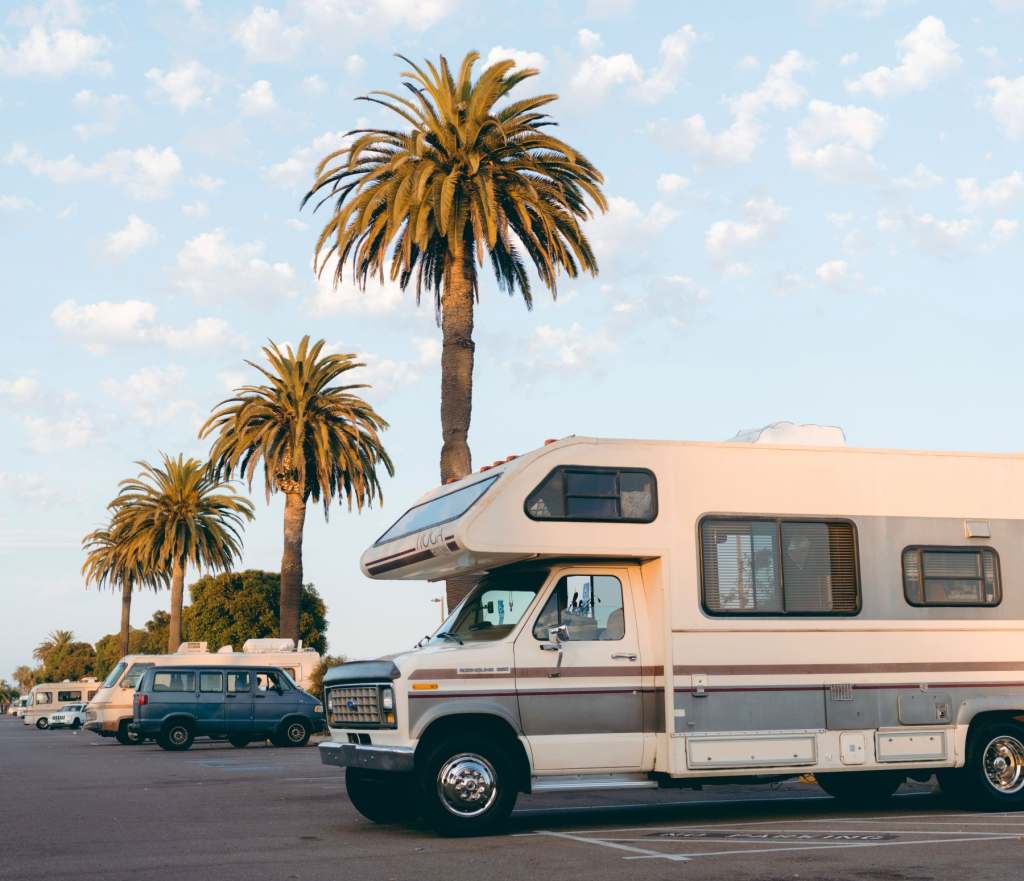
Owning an RV or a boat opens the door to a different kind of lifestyle, one built around weekend escapes and open water adventures. But that lifestyle comes with a practical challenge that many owners underestimate: where to keep these vehicles when they are not in use. As more people invest in recreational vehicles, the gap between what a typical garage or driveway can handle and what these vehicles actually require has only become more obvious.
Key takeaways:
- Specialized storage facilities are designed specifically for the size and needs of RVs and boats.
- Security features like gated access and monitoring reduce the risk of theft or damage.
- Many facilities accommodate both RVs and boats, simplifying storage for multi-vehicle owners.
- Proper storage extends the lifespan of recreational vehicles significantly.
- Evaluating a provider based on space, security, and accessibility leads to better long-term decisions.
The Growing Need for Dedicated Storage Solutions
As recreational vehicle and boat ownership continues to rise, more communities have introduced restrictions on parking large vehicles in residential areas. Homeowners associations frequently limit or prohibit RVs and boats from sitting in driveways or on the street for extended periods. This has pushed owners toward facilities built specifically to house these larger vehicles safely, and it has also fueled the growth of national storage brands built around exactly this need.
Beyond avoiding neighborhood restrictions, dedicated storage also protects vehicles from the wear that comes with sitting outside unprotected. Sun exposure, pests, and moisture can all take a toll on an RV or boat left without proper cover. A facility designed for these vehicles addresses these issues directly, which is part of why providers like RecNation RV & Boat Storage have expanded to serve owners looking for a single, purpose-built place to keep their vehicles between trips. Rather than treating recreational vehicles as an afterthought squeezed into leftover space, these facilities are planned from the ground up around the dimensions and needs of RVs, boats, and trailers.
What Sets Specialized Facilities Apart
Not every storage option is equipped to handle the size and specific needs of recreational vehicles. Facilities built with RVs and boats in mind tend to offer features that general storage units simply cannot match, from the layout of the driveways to the type of surface vehicles sit on.
Purpose-Built for Large Vehicles
Specialized facilities are designed with wider spaces, taller clearances, and layouts that accommodate long trailers and motorhomes. This makes maneuvering in and out of the facility far easier than trying to fit a large vehicle into a standard storage unit. Some locations also offer varying unit types, from open-air spaces to fully enclosed units, giving owners the flexibility to choose the level of protection that matches their budget and how often they travel.
Security and Peace of Mind
Given the value of most RVs and boats, security is a top priority for owners choosing where to store them. Gated access, video monitoring, and on-site lighting all help deter theft and vandalism. These features are especially important for vehicles that may sit unused for weeks between trips, and many owners specifically look for facilities that pair electronic gate access with regular camera coverage of the entire lot rather than just the entrance.
Benefits for Multi-Vehicle Owners
Many outdoor enthusiasts own more than one recreational vehicle, whether that means a travel trailer and a boat or multiple RVs for different types of trips. Facilities that accommodate a range of vehicle types allow owners to consolidate storage in one convenient location. This simplifies logistics and often reduces overall costs compared to managing separate storage arrangements across different providers and locations.
Having both an RV and a boat stored together also makes planning combined trips easier, particularly for families who enjoy pairing camping with time on the water. A single point of pickup and drop-off saves time before and after a trip, and it also means only one contract, one bill, and one access code to keep track of instead of juggling multiple accounts.
How to Evaluate a Storage Provider
When comparing storage providers, owners should look beyond price alone and consider factors like unit availability, security measures, and access hours. Confirming that a facility can accommodate the specific dimensions of a vehicle is essential before signing any agreement. Reading reviews from other RV and boat owners can also provide useful insight into a provider’s reliability, particularly when it comes to maintenance responsiveness and how well the facility holds up after major storms.
Location matters as well, particularly for owners who travel frequently and need convenient access near major highways. A facility that is difficult to reach can turn a simple pickup into an unnecessary hassle. It is also worth asking whether a provider operates multiple locations, since that can offer flexibility for owners who relocate or who want a consistent storage experience while traveling to a different region.
Long-Term Value of Proper Storage
Investing in proper storage pays off over time by reducing the wear and tear that comes from exposure to the elements. Vehicles stored in covered or enclosed units typically experience less fading, fewer seal issues, and reduced risk of pest damage. This translates into fewer repairs and a longer usable lifespan for the vehicle.
For many owners, the cost of quality storage is far outweighed by the money saved on avoidable maintenance down the road. It also protects the resale value of an RV or boat, which matters for those who plan to upgrade in the future. A well-documented storage history, especially at a reputable facility, can even serve as a selling point when it comes time to trade in or list a vehicle for sale.
FAQs
What Makes Specialized Storage Different From Regular Storage Units?
Specialized facilities are designed with the size and shape of RVs and boats in mind, offering wider spaces and taller clearances. They often include features like covered or enclosed units that general storage facilities do not provide. This makes them a better fit for large recreational vehicles.
Can I Store Both a Boat and an RV at the Same Facility?
Many specialized facilities accommodate both vehicle types, making it convenient for owners who enjoy both camping and boating. This setup simplifies logistics and often reduces the overall cost of storage. It also makes planning combined trips more straightforward.
How Important Is Security When Choosing a Storage Provider?
Security is one of the most important factors to consider, given the value of most RVs and boats. Features like gated access, cameras, and lighting help protect vehicles from theft and vandalism. Owners should prioritize facilities that take security seriously.
Does Covered Storage Really Extend a Vehicle’s Lifespan?
Yes, covered and enclosed storage significantly reduces sun damage, seal deterioration, and pest issues compared to leaving a vehicle exposed outdoors. This can meaningfully extend the usable life of an RV or boat. It also helps preserve resale value over time.
What Should I Prioritize When Comparing Storage Providers?
Owners should prioritize security, space availability, and convenient access hours over price alone. Confirming that a facility can accommodate specific vehicle dimensions is also essential. Reading reviews from other customers can help verify a provider’s reliability before committing.