


People often think good road-trip preparation means planning your itinerary and making sure your vehicle is ready for a long journey.
Getting those basics right certainly makes travelling easier, but they can’t account for everything that might happen once you’re on the road.
A more useful approach is to consider how you would respond if circumstances changed unexpectedly and your original plan was no longer viable.
Here are three unexpected challenges that can derail a road trip, and what you can do to prepare for them.
Extreme weather conditions
You need to be prepared to adapt how you drive when weather conditions change during a road trip. Adverse conditions can affect visibility and vehicle control, meaning driving techniques appropriate in normal conditions may no longer be suitable.
To illustrate, you might encounter unexpectedly heavy rain on an unfamiliar rural route and need to reduce your speed and increase the distance between your vehicle and the one ahead.
Understanding how to adapt your driving for different driving conditions helps you respond appropriately if conditions deteriorate.
Electric vehicle charging problems
If you’re driving an electric vehicle, avoid building your road-trip itinerary around a single charging option. If a planned charger is unavailable, having alternatives available makes it easier to adjust your journey without significantly disrupting your itinerary.
For example, using a service like Zapmap can help you find EV chargers near you or along your road-trip route. This makes it easier to identify alternative charging options when plans change.
Treat charging as a flexible part of your journey rather than relying on one fixed sequence of stops. This will make your EV road trip more resilient to unexpected disruption.
A collision far from home
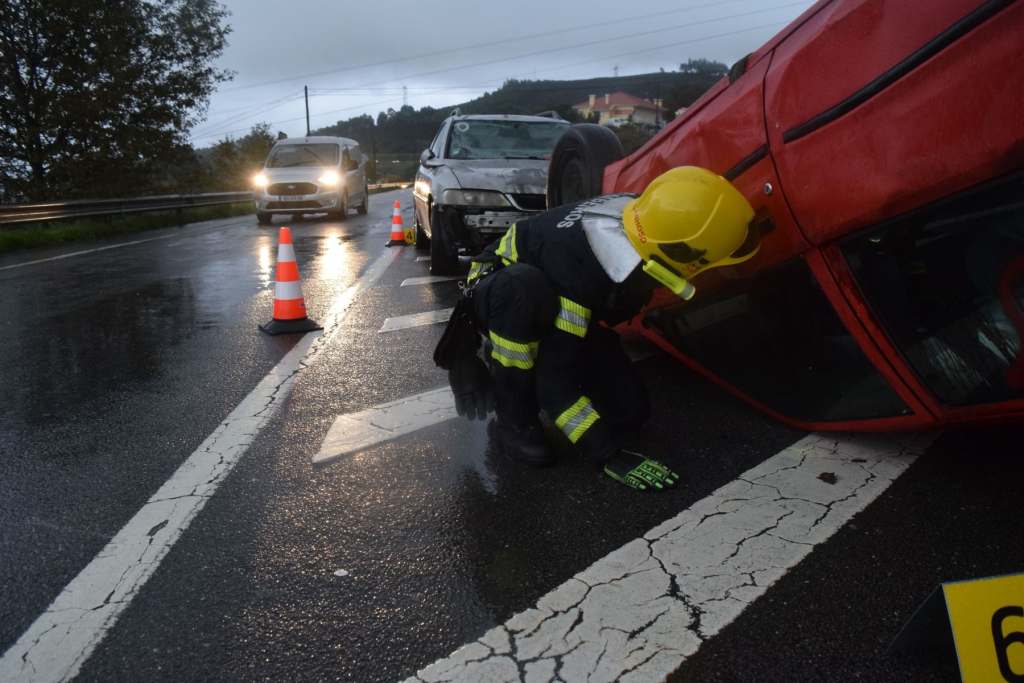
A collision away from home can create practical complications beyond dealing with the immediate incident. You might suddenly need to make stressful decisions about your wellbeing and travel logistics while in an unfamiliar location.
For instance, if you’re involved in a collision several hours from home, you could need to arrange vehicle recovery while also working out how you and your passengers will get home or continue your trip.
It’s also worth understanding your rights in the event of a road traffic collision so you can make more informed decisions about your next steps.
Final thoughts…
The key to a successful road trip lies in being ready to respond confidently when things don’t go according to plan.
Before setting off, consider where your journey could become vulnerable to disruption and what options you would have if circumstances changed.
By preparing, you’ll be in a better position to make informed decisions and keep an unexpected setback from defining the rest of your trip.
If your next road trip took an unexpected turn, would you know what to do next?