


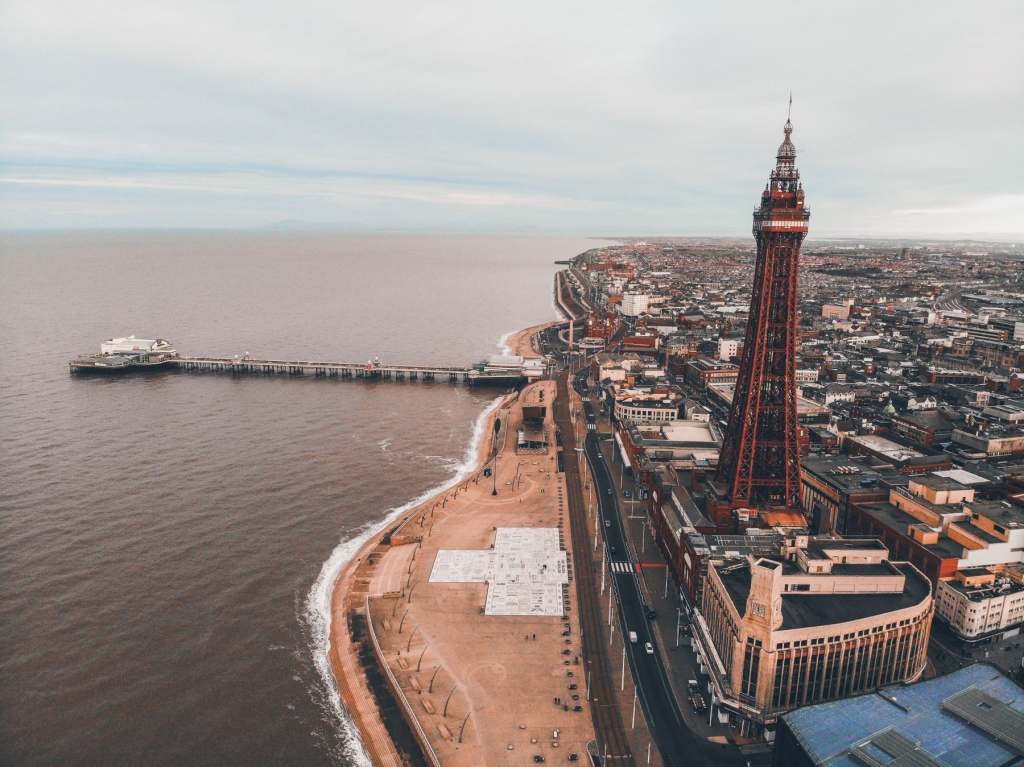
Once renowned as the ultimate UK travel destinations before the cheap flights to Malaga rendered them to a slow decline, the promenades that went to seed are slowly coming back to the fore, and the so-called faded grandeur of places like Blackpool or Margate is shining in a different light now – so much so as to be unrecognisable from what they looked like fifteen years ago. This is mostly courtesy of a huge, government-funded regeneration programme, but also part of a general wind of change.
Money Is Coming to the Coast
One of the best-known destinations of its kind, Blackpool is midway through a regeneration programme worth around £2 billion, with the council’s 2024-2027 plan covering tourism, housing, transport and public realm. The centrepiece is the Blackpool Central scheme. This is a £300 million private-sector-led development unlocked by £40 million of government funding to relocate the town’s courts, and it is projected to create roughly 1,000 jobs and attract 600,000 additional visitors a year.

Scarborough has a similar story. The seaside town has secured £19.5 million to be spent over the next decade under the Plan for Neighbourhoods programme. The flashy name of Eden Project Morecambe hides a £100 million plan with strong government backing, expected to open in 2028 and projecting 500,000 annual visitors.
They are all chasing the same success story: Margate’s fortunes changed in 2011 with the opening of The Turner Contemporary. It turns out high art can be the starting point of a community regeneration with the gallery generating near £70 million for the local economy from almost 3 million visits.

This kickstarted the refurbishment and reopening of Dreamland – Britain’s oldest surviving pleasure park – for years after. It wasn’t an instant success: the park lasted a year before going into administration, but it was revived again after further investments had been made.
So, it’s worth noting: there is a definite success story here, but the path isn’t straightforward – and if you are further from London, you might not get the same sort of return on arts.
Old and New Entertainment Make the Trip Worth Again
We all know what it was like. The pier arcade, the variety show, the bingo hall: some survived the tough times as heritage assets, turning them into tourist attractions rather than a service for the local residents. Others followed the digital path, meaning what was once exclusively a Friday night out at a hall on the promenade now comfortably coexists with a bingo cash app running many similar games at once in real time and from the comforts of people’s own homes. It makes for a good mix of novelty and continuity. It’s no wonder why many of these old pier attractions would struggle to compete in the modern age, but as we’ve seen, some well-placed funding can go a long way in reinvigorating tourists’ interest.
It is also worth noting that the investments made brought with them an entirely different way to spend your time on the British coast, on things that are more contemplative, longer in nature, and serve as the perfect counterpart of the old seaside classics. The new galleries and restaurants or the refurbished city centres all warrant longer exploration, and, in turn, trips that reward a longer stay than the loud and colourful affairs of the past did.