


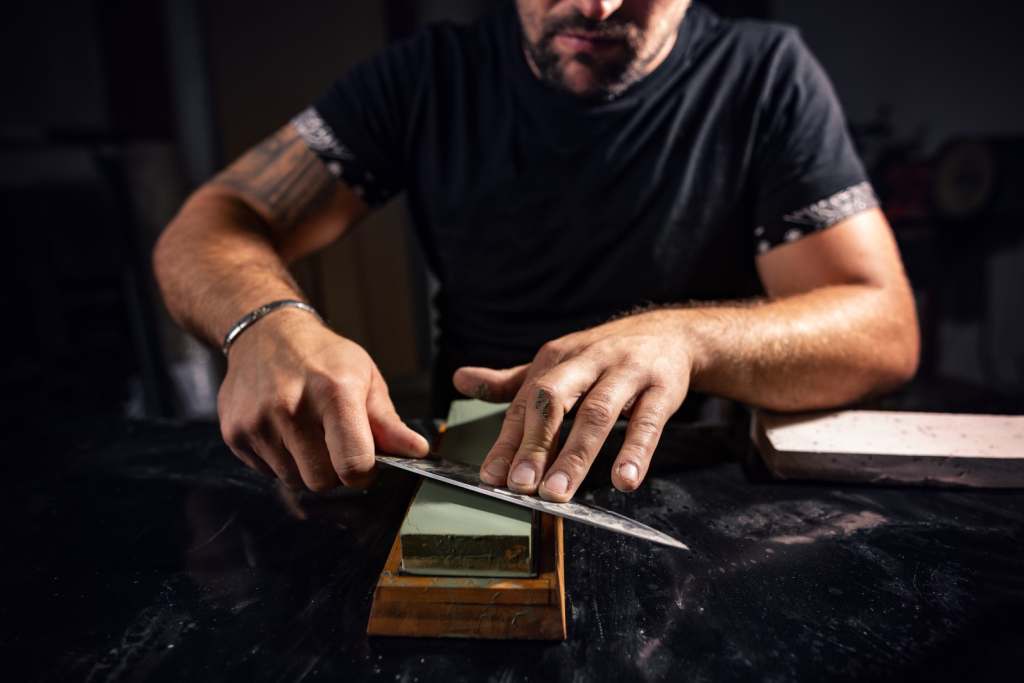
Whether you are prepping tinder for a campfire, processing wood, or simply slicing through tough cordage during a backcountry trek, a dull blade is more than just an inconvenience – it is a safety hazard. A dull edge requires extra force to cut, increasing the risk of slips and accidental injuries far away from medical assistance.
Proper maintenance keeps your equipment reliable when you need it most. While full sharpening bench stations belong in the home workshop, keeping a razor-sharp edge in the field requires portable, effective field-sharpening solutions.
Why Field Sharpening Matters for Outdoor Enthusiasts
Outdoor tools endure harsh conditions. Contact with dirty wood, abrasive ropes, or bone quickly degrades a blade’s micro-bevel. Letting a blade go completely dull means you will have to grind away significant steel later to restore the edge geometry.
Regular micro-touchups out on the trail prevent major edge degradation and ensure:
- Effortless Precision: Sharp blades slice clean, saving time and energy during physical field work.
- Longer Tool Life: Removing small imperfections frequently preserves more steel over time than aggressive home grinding.
- Enhanced Field Safety: Controlled cutting motion requires significantly less exertion, giving you full control of the tool.
The Chemistry of Blade Care: Preventing Rust and Steel Fatigue
Maintaining a blade in the wild involves more than just aligning the edge; it requires protecting the steel from environmental elements. High-carbon and stainless steels used in heavy-duty multi-tools react constantly with moisture, humidity, and acidic plant sap. If left unchecked, microscopic corrosion pits form along the cutting edge, weakening the structural integrity of the steel and causing it to roll or chip far more easily under pressure.
Integrating basic cleaning and light lubrication into your field routine creates a barrier against oxygen and water. Wiping your blade down with a clean cloth and applying a light coat of multi-purpose oil after sharpening seals the freshly exposed metal. This simple step prevents rust spots from forming overnight in humid tents or wet packs, ensuring your tool remains structurally sound and ready for high-torque tasks.
Essential Steps for Field Maintenance
Maintaining hard-working tools away from home doesn’t mean carrying heavy equipment. By keeping a few core practices in mind, you can preserve your gear’s edge anywhere:
- Clean the Blade First: Before applying any sharpener, wipe away sap, dirt, and moisture. Grit caught between the sharpener and steel can gouge the edge.
- Maintain the Original Angle: Most field multi-tools and pocket knives feature a factory bevel between 15° and 20°. Match this angle consistently during touchups.
- Use Compact Multi-Surface Tools: Look for portable accessories designed specifically to handle straight edges, serrations, and hard tool steel on the fly. Carrying a dedicated multi tool blade sharpener ensures you can quickly hone straight blades, fix rolled serrations, and keep your primary EDC tools fully operational without adding bulk to your pack.
- Strop for Final Polish: After touch-ups, stropping the edge against a leather belt or canvas strap removes microscopic burrs for a refined, hair-shaving finish.
Choosing the Right Sharpening Surface for the Trail
Not all sharpeners are built for the demands of the outdoors. Traditional oil stones and water stones are simply too heavy, brittle, and messy for backpack carry. For field maintenance, diamond-coated plates and carbide V-notches reign supreme due to their lightweight design and rapid material removal rates. Diamond abrasives, in particular, excel at biting into modern high-hardness steels without requiring water or lubricant.
When selecting gear for your EDC pouch or trail kit, prioritize versatility and durability. A multi-surface field sharpener combining diamond abrasives for aggressive honing and ceramic rods for fine edge polishing allows you to handle everything from minor touch-ups to urgent repair work miles away from civilization.
Frequently Asked Questions (FAQ)
How often should I sharpen my knife or multi-tool in the field?
You should touch up the edge as soon as you feel increased resistance during cutting. A quick 30-second touchup every evening around the campfire keeps the steel in peak condition and avoids prolonged sharpening sessions later.
Can field sharpeners fix chipped edges?
Field sharpeners are optimized for edge maintenance, hone-ups, and restoring dulled edges. Deep chips or severe edge rolls typically require fixed bench stones or coarse diamond plates back at your workshop to reprofile the blade steel properly.
How do I sharpen serrated blades on the trail?
Serrated edges require a tapered diamond rod that fits directly into the individual serration grooves. Gently push the tapered rod through each gullet toward the unground side of the blade to remove burrs without altering the tooth shape.