


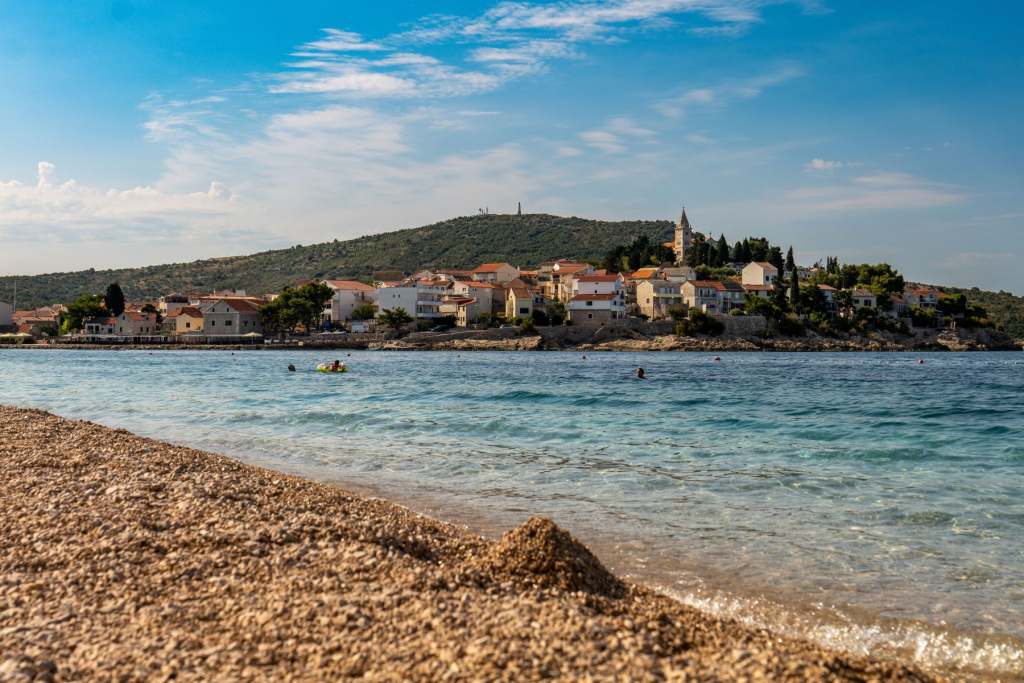
Nude beaches in Croatia are part of a long-established Adriatic travel culture, but the best visits are planned with care. Croatia offers signed FKK beaches, naturist campsites, resort beaches and quieter coves where clothing-optional bathing may be accepted locally. The key is to choose the right setting and follow respectful etiquette.
Are there nude beaches in Croatia?
Yes. Croatia is one of Europe’s better-known naturist destinations, especially along the Istrian and Kvarner coasts, with further options in Dalmatia and on the islands. On maps and signs, naturist areas are commonly marked “FKK”, a term linked to the German naturist tradition. It usually indicates a recognised area where nudity is expected, permitted or normal.
A nude beach in Croatia is not always a large resort beach. Some are dedicated naturist campsites with services; others are public coves, rocky platforms or island beaches where naturism is customary but facilities may be minimal. When in doubt, look for FKK signage, tourist information, campsite rules or recent local guidance rather than assuming any secluded bay is acceptable.
Are nude beaches legal in Croatia?
Naturism is established in Croatia, but it is safest to treat legality as location-specific. Signed FKK beaches, naturist campsites and clearly designated resort areas are the appropriate places to bathe nude. Away from these places, nudity may be tolerated in some quiet coves, but it can also be inappropriate, against local rules or unwelcome on family “textile” beaches.
The practical rule is simple: do not undress on a busy town beach, beside cafés, on promenades or anywhere without a clear naturist tradition. Local councils and beach managers can set rules, so check current signage and official local advice before travelling.
Best nude beaches in Croatia: where to start
The best nude beaches in Croatia for first-time visitors are usually the established FKK beaches connected to naturist resorts or campsites. They are easier to identify, more likely to have facilities, and generally have a community of visitors who understand naturist etiquette.
Istria
Istria is a strong starting point. Around Rovinj, Vrsar, Poreč and Umag, you will find some of Croatia’s best-known naturist areas, including Valalta, Koversada, Ulika, Solaris and Kanegra. These places suit travellers who value practical comforts such as parking, toilets, showers, cafés, beach maintenance and clearer boundaries. Some require a day ticket or campsite/resort stay, so check access before setting off.
Kvarner and the islands
Kvarner has strong naturist associations, particularly around Rab, Krk, Cres and Lošinj. Rab is often linked with Croatia’s early naturist history, while Krk and Cres have well-known naturist camping areas and pebbly or rocky beaches. Island access may involve ferries, coastal paths, water taxis or uneven steps to the sea.
Dalmatia
Dalmatia has fewer large naturist complexes than Istria, but there are recognised FKK areas and informal spots near islands and coastal resorts. Around Makarska, Hvar, Pašman and parts of the Zadar and Šibenik regions, naturist options may be more spread out and rustic. Expect pebbles, rocks, pine shade, clear water and occasionally no facilities.
Official, tolerated and not established
An official or clearly established naturist beach will usually be signed FKK, listed by a campsite, resort or local tourist board, or separated from clothed bathing areas. Facilities vary, but the rules should be clear.
An unofficial or tolerated spot may be a small cove known locally for clothing-optional bathing, but without signage or services. Arrive clothed, observe the setting, avoid crowds and do not assume that today’s visitors are comfortable with nudity because the beach has a reputation.
Places that are not really established include central town beaches, hotel family beaches, harbour areas, beach clubs, promenades and anywhere dominated by clothed families or local residents. In these settings, choose swimwear.
Nude beach etiquette in Croatia
Naturist etiquette is mostly common sense. Bring a towel to sit on, give people plenty of space and avoid staring or commenting on bodies. Keep behaviour relaxed and non-sexual; naturism is about swimming, sunbathing and being outdoors, not performance or attention.
Photography deserves particular care. Do not photograph or film other people without clear consent, including in the background of selfies or videos. Drones are especially intrusive around naturist areas. For sea view photographs, move away from other bathers or keep your camera packed away.
Respect local customs by covering up when leaving the naturist zone, using nearby cafés, boarding boats or returning to the car. Dispose of litter, use reef shoes on rocky beaches, take water and sun protection, and remember that shade can be limited on Croatia’s stone and pebble shores.
When to go and what to expect
The main beach season runs from late spring to early autumn, with July and August the busiest months. June and September are often more comfortable for independent travellers who prefer warm weather with fewer crowds. Outside peak season, sea temperatures, ferries, campsite access and beach facilities can vary, so check details before making a special journey.
In short, Croatia is a rewarding naturist destination when approached respectfully. Choose signed FKK areas where possible, treat unofficial coves with caution, and keep consent, privacy and local rules at the centre of your plans.