


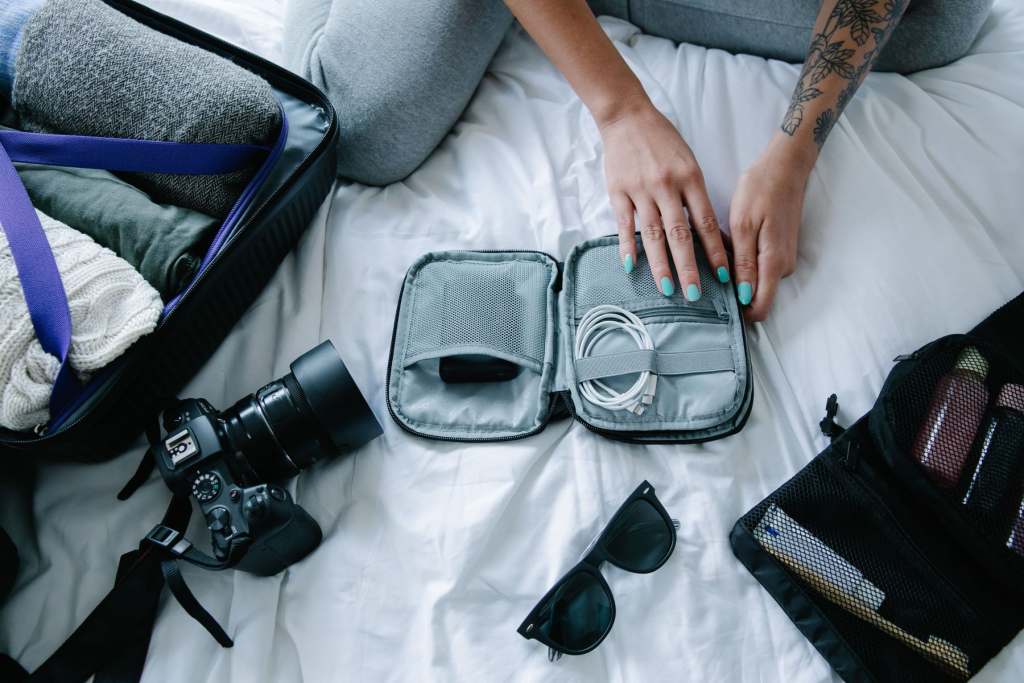
Travel after 40 is a different animal than the backpacking adventures of youth. You’ve learned what matters, what doesn’t, and what can genuinely transform a trip from exhausting to exhilarating. Yet many seasoned travelers still overlook the small, practical items that can elevate comfort and convenience on the road. The difference between a frustrating journey and a smooth one often comes down to thoughtful preparation and choosing gear that actually serves your needs rather than cluttering your luggage.
The travel industry has finally caught up to the reality that mature travelers want independence, authenticity, and comfort in equal measure. This means rethinking what you pack and why. Beyond the obvious passport and medications, there’s a category of travel accessories that deserve serious consideration. Whether you’re settling into a boutique hotel in Lisbon, exploring temples in Cambodia, or enjoying a city break in Barcelona, the right supporting items make a measurable difference. Some travelers swear by a Kindle case for protecting their reading device, while others prioritize different essentials based on their travel style and destinations.
The Case for Intentional Packing
Packing for travel after 40 is less about fitting everything in and more about bringing what genuinely enhances your experience. This shift in mindset separates the stressed traveler from the one who actually enjoys their journey. Rather than defaulting to what you packed last time, consider what went unused and what you wished you’d brought.
The goal isn’t minimalism for its own sake. It’s about recognizing that every item in your bag should earn its place. A lightweight scarf serves multiple purposes: warmth, cultural respect in religious sites, and sun protection. A quality power bank keeps your phone charged for navigation and photography. A small first-aid kit with blister treatments, pain relievers, and digestive aids addresses the most common travel disruptions. These aren’t luxury items; they’re practical solutions to real problems that arise when you’re away from home.
Protecting Your Digital Companions
Most travelers over 40 carry at least one device for staying connected, reading, or managing travel logistics. Your phone is obvious, but many people also travel with tablets or e-readers, particularly on longer trips. These devices need protection not just from drops but from the wear and tear of constant movement between bags, hotel rooms, and transit.
A protective case isn’t frivolous. It’s insurance against a costly accident in an unfamiliar place where repair options may be limited or expensive. The right case also makes your device more pleasant to use. A slim, well-designed case adds minimal bulk while providing genuine protection. Consider cases with thoughtful features like raised edges to protect screens and cameras, or materials that resist fingerprints and smudging. If you’re traveling with multiple devices, having appropriate protection for each one means you can move through your day without constantly worrying about damage.
Comfort Items That Actually Matter
Travel comfort isn’t about luxury; it’s about addressing the physical realities of moving through the world. Long flights, unfamiliar beds, and days spent walking through cities take a toll. A neck pillow that actually supports your head rather than collapsing into uselessness can mean the difference between arriving rested and arriving exhausted. Compression socks help with circulation during flights and reduce swelling on days spent exploring on foot.
Noise-canceling earbuds or headphones serve multiple purposes. They protect your hearing on flights, allow you to enjoy music or podcasts during downtime, and provide a subtle signal that you’re not available for unsolicited conversation. A lightweight, packable blanket or sarong provides warmth on planes and buses while taking up minimal space. These items address real physical needs that emerge during travel, and they’re worth the small amount of luggage space they consume.
Managing Medications and Health
Traveling with medications and health supplies requires both practical organization and peace of mind. A dedicated toiletries bag keeps everything accessible and organized. Beyond prescription medications, consider what over-the-counter items address your personal health concerns. If you’re prone to headaches, bring your preferred pain reliever. If you have a sensitive stomach, travel with remedies that work for you. If you take vitamins or supplements, bring enough for your entire trip rather than trying to source them abroad.
A basic first-aid kit tailored to your needs is essential. This isn’t about treating serious injuries; it’s about addressing minor issues before they disrupt your plans. Blister treatments are particularly valuable for travelers who spend days exploring on foot. Antihistamines help with unexpected allergies. Antacids address dietary changes. These small items prevent minor discomforts from becoming major problems that limit your ability to enjoy your destination.
Documentation and Financial Preparedness
Traveling after 40 means you’ve likely learned the importance of organization. Keep copies of important documents separate from originals. Store digital copies in cloud storage accessible from anywhere. Carry a small notebook for jotting down addresses, recommendations, and important information. A pen that actually works is worth its weight.
Financial preparedness extends beyond currency exchange. Notify your bank of travel dates to prevent fraud alerts that freeze your accounts. Carry payment methods in different locations. Know which ATMs are reliable in your destination. Understand the tipping customs and payment methods accepted. These practical considerations prevent the frustration of being unable to access your own money while traveling.
Building Your Personal Travel Kit
Your travel essentials will differ from someone else’s based on your destinations, travel style, and personal needs. The key is being intentional rather than defaulting to what travel blogs recommend. What did you actually use on your last trip? What did you wish you’d brought? What caused frustration or discomfort that could have been prevented?
Build your kit gradually, testing items on shorter trips before committing them to longer journeys. A travel pillow that works for you might not work for someone else. A particular brand of sunscreen might be essential for your skin. Your ideal packing strategy reflects your actual travel patterns and preferences, not generic advice.
Conclusion
Travel after 40 is an opportunity to move through the world with intention and comfort. The right preparation transforms travel from something you endure to something you genuinely enjoy. This means moving beyond the basics and considering the small items that address real needs and enhance your experience. Whether you’re a cultural explorer, an adventure seeker, or someone who simply enjoys discovering new places, thoughtful packing sets the foundation for a better journey. Take time before your next trip to consider what would genuinely improve your experience, and invest in those items. Your future self, arriving at your destination rested and organized, will thank you.