


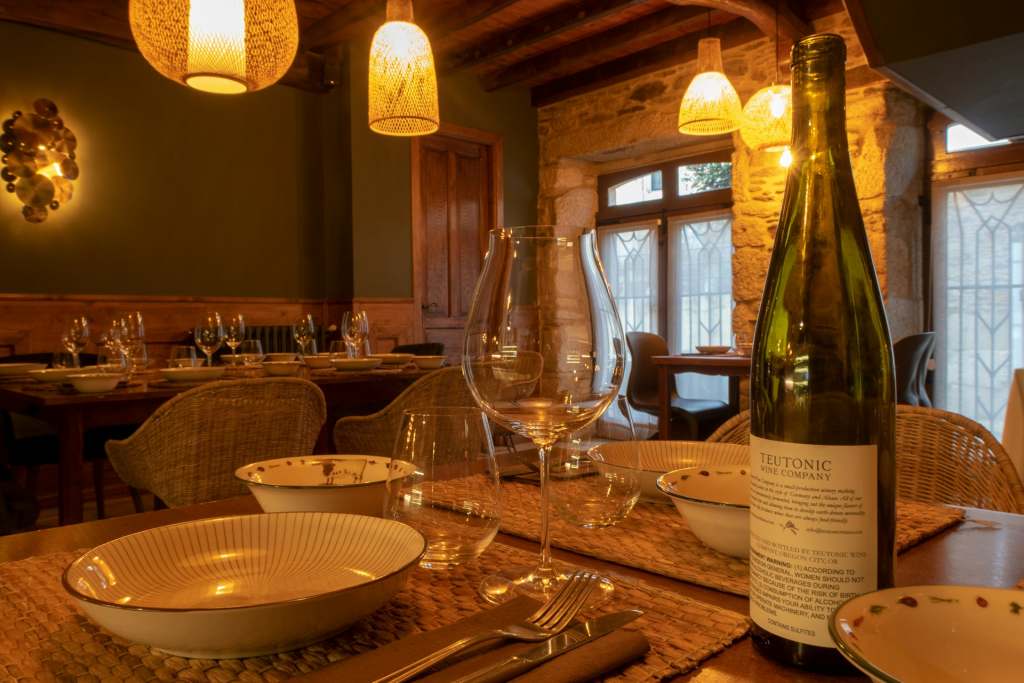
One of the best parts of travelling is getting to try new foods. But let’s be honest, it’s easy to get stuck eating forgettable meals at places made just for tourists. To find those truly amazing food experiences, you just need a little curiosity and a willingness to step away from the usual spots.
It’s all about tasting the real flavour of a place, not just the watered-down version served to visitors. Looking beyond the obvious can turn your trip from just sightseeing into a real cultural adventure.
Beyond Tourist Traps
The first step to a better food journey is learning how to spot and avoid those tourist trap restaurants. This helps you seek out unique travel experiences. You’ll often find these places right next to big attractions, with menus in lots of languages, pictures of the food, and staff trying to pull you in from the street. While they’re convenient, they rarely offer truly authentic or great food.
A good trick is to walk just two or three streets away from the main square or landmark. You’ll often notice the vibe changes, prices drop, and the food quality gets way better. Look for spots where locals are eating, where the menu might only be in the local language, and where the focus is clearly on the food, not just getting people through the door. This shift in how you think about eating out is part of a bigger trend where gastronomy is redefining travel, making meals a key part of your exploration.
Hotel Restaurants Redefined
The days when a hotel restaurant was just a last resort for a tired traveller are pretty much over. Nowadays, many hotels have become food destinations themselves, with fancy chefs and exciting menus that highlight local ingredients. These places aren’t just an extra perk anymore; they can be a main reason to book a stay. Boutique hotels, especially, have really embraced this idea, creating cosy and cool dining spots that draw in locals as much as guests. These venues show that amazing food can be right where you’re staying.
For example, the ideas behind the Forth Hotel Restaurants in Atlanta show how hotel dining can be a real culinary event, offering diverse and high-quality experiences without leaving the building. So, don’t just write off your hotel’s dining options; do a little digging, because you might be staying at one of the city’s best spots.
Exploring Local Flavours
To really get a feel for a region’s food, you have to go straight to the source. Visiting a local food market is a treat for all your senses and an amazing way to learn. You can see the fresh, seasonal produce that makes up the local diet, from fruits and veggies you’ve never seen before to regional cheeses and cured meats.
Lots of markets also have food stalls or small cafes where you can try dishes made with ingredients from the vendors nearby. This is often where you’ll find the most authentic and delicious food. And don’t be shy about trying street food, especially if you see a long line of locals. A popular vendor usually means good quality and hygiene. It’s a fantastic way to taste traditional snacks and everyday favourites.
Cooking Classes and Food Tours
If you prefer a more hands-on experience, think about booking a cooking class or a food tour. A class taught by a local chef can teach you the secrets behind your new favourite dishes, giving you a skill and a story to bring home. You’ll learn about traditional cooking methods and why certain ingredients are important culturally.
Similarly, a food tour with a knowledgeable guide can show you hidden gems you’d never find on your own. They can lead you through busy markets, point you to the best family-run eateries, and share the history behind the food you’re tasting.
The Art of Pairing Drinks
A great meal gets even better with the right drink. Exploring local beverages is another wonderful way to connect with the culture. If you’re in a wine region, skip the imported stuff and ask your waiter to suggest a local wine that goes well with your meal. Many regions also have a booming craft beer scene, with small breweries making unique and flavourful beers that reflect the local character.
Don’t forget about non-alcoholic options either. From fresh juices to special regional teas and coffees, there’s a whole world of flavours to discover. Chatting with a sommelier or even just an enthusiastic server about local pairings can turn your dining experience from just eating into truly savouring.
Food is so much more than just fuel; it’s a way to understand a new culture. By seeking out authentic meals and local specialties, you create memories that stick with you much longer than any souvenir.