


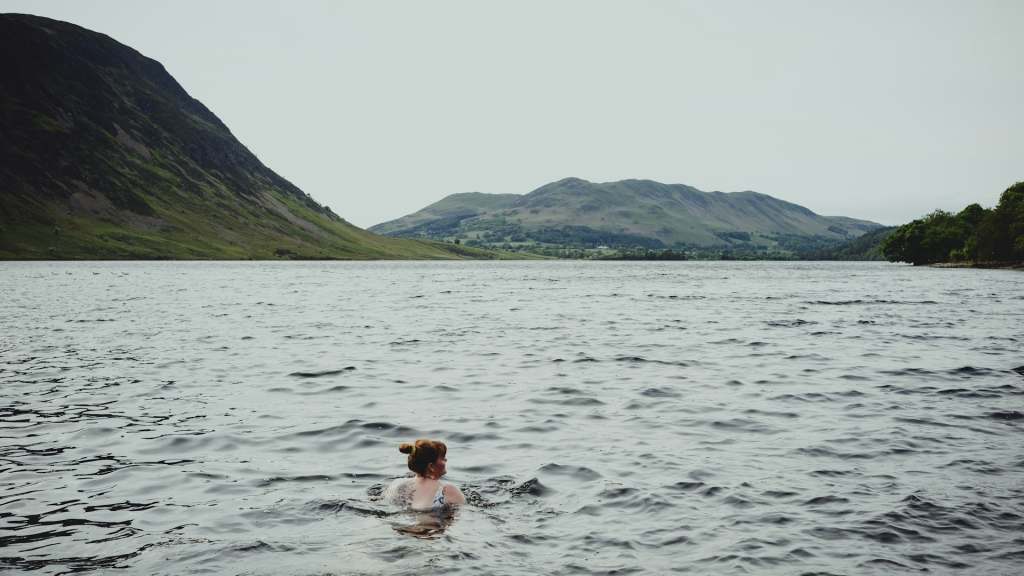
Wild swimming Lake District adventures are among the most iconic outdoor experiences in the UK. With its deep lakes, mountain tarns, rivers and waterfall pools, the national park has become one of Britain’s best-known destinations for open-water swimming. Whether you are looking for a peaceful morning dip or a full Lake District wild swimming day out, the region offers countless scenic spots, although conditions can change quickly, and careful preparation is essential.
Wild swimming Lake District: what to know before you go
Wild swimming in the Lake District can range from easy shoreline dips to challenging cold-water swims in remote mountain settings. Larger lakes may appear calm on sunny days, but water temperatures remain cold for much of the year, even during summer.
Before swimming, it is important to:
- Check weather conditions and water levels
- Avoid swimming during strong winds or storms
- Be cautious of boats and paddlecraft on larger lakes
- Enter cold water slowly to reduce cold water shock risk
- Use a tow float for visibility where appropriate
Not every lake, reservoir or river in the national park is suitable or permitted for swimming, so visitors should always check current local guidance and signage before entering the water.
Best places for wild swimming in the Lake District
Rydal Water and Grasmere
Rydal Water and nearby Grasmere are among the most accessible Lake District wild swimming locations.
Smaller and often calmer than the larger lakes, they are popular with walkers looking for a short swim after exploring nearby trails. Early mornings can be especially peaceful, with still water and fewer visitors.
Both locations offer scenic surroundings rather than dramatic plunge pools, making them appealing for relaxed swims and gentle cold-water dipping.
Buttermere
Buttermere is widely regarded as one of the most beautiful swimming lakes in the national park.
Surrounded by steep fells and woodland, it provides clear water and quieter conditions than busier lakes such as Windermere. Several shoreline entry points make it popular for shorter swims, although the water remains cold year-round.
Because of its popularity, parking can become limited during summer weekends.
Ullswater
Ullswater is one of the largest and most scenic lakes in the region, stretching through dramatic mountain landscapes.
Wild swimming here can be spectacular, but swimmers should be aware of boat traffic, changing winds and deeper open water. Quieter shoreline areas are usually more suitable for casual swimmers than busy launch points.
The lake’s size means conditions can vary significantly from one section to another.
Derwentwater
Derwentwater near Keswick is one of the most popular wild swimming spots Lake District visitors explore.
The lake combines easy access with stunning scenery, and there are several calm bays suitable for swimming. However, it is also busy with kayaks, rowing boats and paddleboarders during peak season.
Early mornings or evenings are often the best times for a quieter experience.
Coniston Water and Windermere
Coniston Water
Coniston Water is known for its long, narrow shape and beautiful mountain backdrop.
It attracts swimmers looking for both short shoreline dips and longer endurance swims. Conditions are often calmer than on Windermere, although strong winds can still affect the lake quickly.
Windermere
Windermere is England’s largest lake and one of the busiest areas for tourism in the national park.
While wild swimming is popular here, visitors should be cautious around ferries, motorboats and crowded shoreline areas. Choosing quieter sections away from busy marinas can make for a safer and more peaceful swim. One way of avoiding the crowds is to book in with a wild swimming class with Qswim Adventure, which has wild swimming adventures right by the The Swan Hotel, led by Karen, one of the UK’s longest-established and safest open-water guides. The swims take place in the Leven next to Windermere.
Quieter tarns and pools
For swimmers looking beyond the famous lakes, smaller tarns and mountain pools can offer quieter experiences.
Easdale Tarn
Easdale Tarn is a favourite among walkers willing to hike for a swim. Its upland setting makes it feel far more remote than roadside lakes.
Brothers Water
Brothers Water is another quieter option, often overlooked in favour of the larger lakes nearby.
Some adventurous swimmers also seek out places such as Buckstones Jump or Black Moss Pot, but conditions and access can vary significantly. These locations require extra caution because of slippery rocks, water depth and changing river conditions.
Lake District wild swimming safety
Wild swimming in the Lake District is rewarding, but safety must come first.
Important risks include:
- Cold water shock
- Sudden depth changes
- Strong winds on larger lakes
- Boat traffic
- Slippery rocks and steep shorelines
- Blue-green algae during warmer periods
For safer swimming:
- Swim with others whenever possible
- Avoid alcohol before entering the water
- Check entry and exit points carefully
- Leave the water immediately if you feel cold or fatigued
- Respect warning signs and local advice
Conditions can change rapidly, especially in mountain weather.
Responsible swimming in the Lake District
The popularity of wild swimming in the Lake District has increased pressure on parking areas, footpaths and fragile lakeside environments.
Visitors should:
- Take litter home
- Avoid blocking roads or farm gateways
- Respect private land and livestock
- Keep noise levels low
- Avoid overcrowding quieter tarns and pools
Leaving no trace helps protect the landscapes that make Lake District wild swimming so special.
For travellers looking to continue exploring northern England’s outdoor swimming culture, the Peak District and Yorkshire provide equally rewarding alternatives.