A gap in a remote setup costs far more than the missing item. Unpack three hours from the nearest supplier, find the wrong consumable specification or an attachment missing its locking pin, and the job stalls while crew day rates, freight costs, and regulatory deadlines keep running.
Most of those gaps start before the first item is packed. The six checks below turn “we think we’re ready” into readiness you have confirmed before departure.
1. Confirm Scope and Transport Rules
Start with the assignment brief, not the packing list. Write down which tasks happen, in what order, and under what site conditions.
Permit rules and hazardous material classifications vary by jurisdiction, miss one and the shipment stops at a customs gate before work starts.
Carrier rules for compressed gas, flammable solvents, and hydraulic fluids also differ by region. Confirm them with your carrier before departure, in writing, so incompatibilities surface at the planning stage.
2. Build a Task-Specific Inventory
Resist the instinct to copy the manifest from a prior trip. A different site and altered ambient conditions completely change what the job actually requires. A duplicated list simply carries forward all the equipment gaps that were quietly worked around in the field last time.
Build the new inventory from the task sequence forward by identifying what each step of the current job demands.
Account for power availability, temperature ranges, and contamination risks at this specific location. Calculate consumable quantities with a defined buffer rather than relying on rough estimates.
Have a second person verify the complete equipment list against the confirmed scope to surface missing items before the team leaves the facility.
3. Validate Analytical Consumables
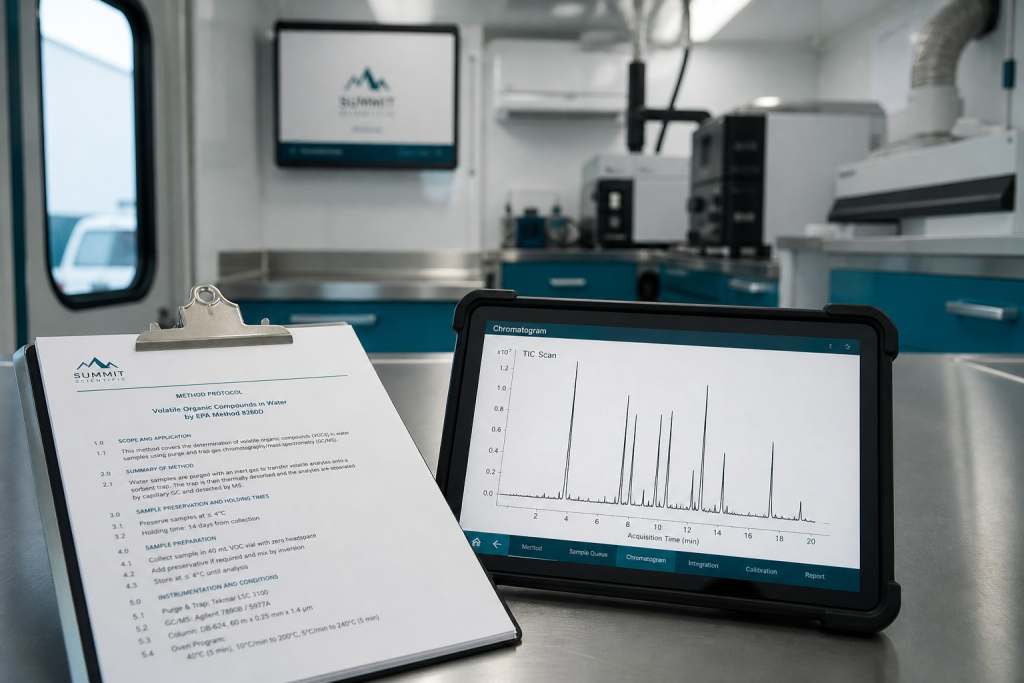
Laboratory field teams running analytical workflows at remote sites must treat consumable validation as a dedicated verification step.
Identify every item tied to a specific method, including certified reference standards, sample preparation materials, vials, syringes, and carrier gas supply. Each component must be confirmed as compatible with the intended testing guidelines.
A single depleted item can halt data collection entirely when there are no local supply workarounds.
Teams preparing gas chromatography methods can use Restek GC columns for analytical field labs as a reference checkpoint. This ensures the column type, dimensions, and stationary phase they plan to pack actually map to what the regulatory method requires.
Cross-check these sensitive materials against transport handling constraints, since temperature fluctuation and humidity exposure during transit can compromise analytical integrity before the equipment is unpacked.
4. Inspect Construction Machinery
Run a dedicated pre-dispatch inspection of every machine scheduled for the site instead of assuming its condition from the last project.
Hydraulic interfaces require close attention to catch issues early, as preventable maintenance issues drive massive financial losses across the heavy construction industry.
Inspect cylinder seals, hose connections, and fluid levels for signs of wear or slow leaks that will inevitably worsen under sustained field use.
Attachment compatibility is a separate mandatory line item on that inspection sheet.
Coupler type, pin sizing, hydraulic flow requirements, and locking hardware must match both the machine and the intended work scope.
Construction teams deploying specific machinery can reference HW Part Store’s Caterpillar skid steer attachments as one sourcing option for components identified as missing or worn during the inspection.
Resolve these physical hardware gaps before the machinery leaves the yard so idle equipment does not drain the project budget.
5. Document All Critical Spares
A critical spare is any item whose absence stops the job. Ship them separately from the primary equipment, carry-on for air, isolated crates for ground freight, so a delayed or damaged main shipment doesn’t end the project.
Record each spare’s serial or lot number, the machine or method it fits, and a supplier contact who can source a replacement if the spare fails on site.
Keep that record digitally and as a printed field copy, so it works without a signal.
6. Schedule Arrival-Day Checks
Transit heat, vibration, and rough handling knock calibration out and loosen mechanical joints. Run a structured function check on arrival day, before production: power up instruments, verify sequences, test movement and hydraulic response.
Pair it with a recovery plan, what can be sourced locally, who can authorise express freight, and the nearest service contact, so the team lead has a path forward if repairs are needed.
Putting It All Together
Securing a remote setup takes more than ticking off a manifest. Check that lab equipment, hydraulic interfaces, and machinery attachments actually fit before they ship, that is what prevents delays in the field.
Review transport restrictions, confirm analytical methods are compatible, and set aside critical spares before signing any dispatch order. A function test on arrival day confirms everything survived transit.
