


Mike East samples the food in Central Asia, which he finds tasty and filling, though with a preponderance of meat and carbs.
One of the greatest parts of exploring a new region is to discover its cuisine. This applies as much to Central Asia as to anywhere else.
Food in Central Asia: Finger Foods
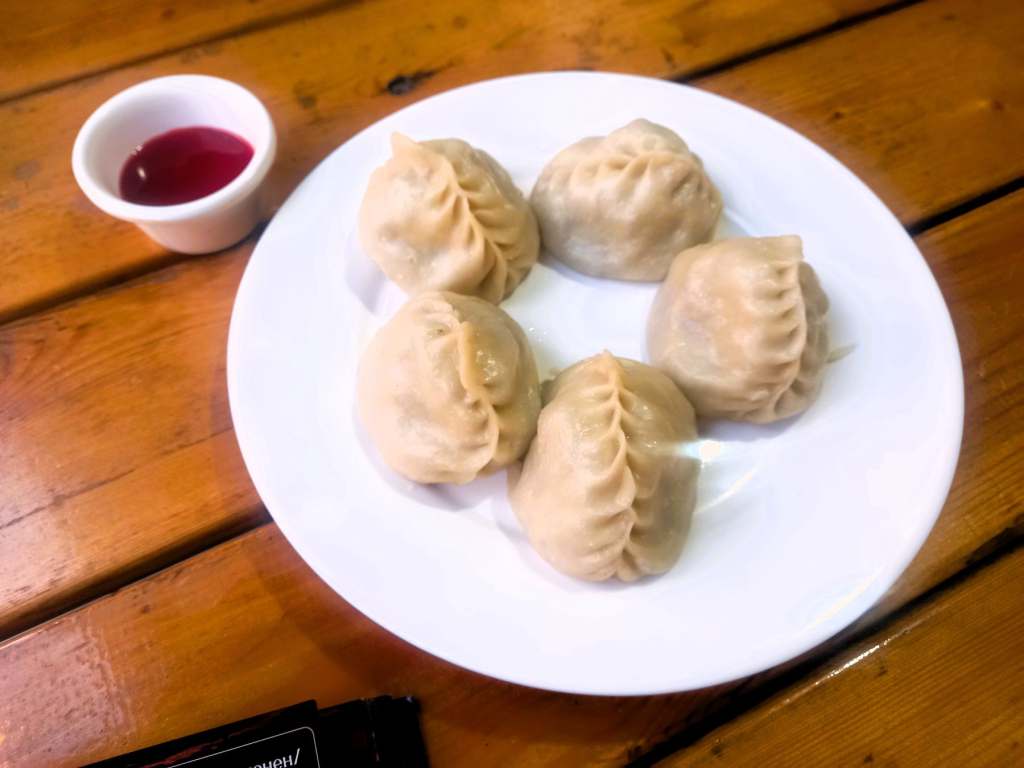
Starting with finger foods are the samsa, like the Indian samosa, pastry filled with minced lamb, onions and garlic/spices. Similar, are the steamed dumplings called manti. A very familiar snack or meal to the traveller is likely to be shashlik, mutton kebabs on the skewer, or served with onions in the flat bread, or non/naan, that is delicious when fresh out of the oven.
Main Course
The meat served is likely to be mutton, if not beef, or horse. You may also find tripe, such as byzhy, which is a sausage made of sheep’s blood, rice (or other gains) and minced meat.
Lighter plant-based snacks include honey melons, watermelons, walnuts, almonds, pistachios, dried mulberries, raisins and preserves. Salads and vegetable dishes are available in many restaurants.
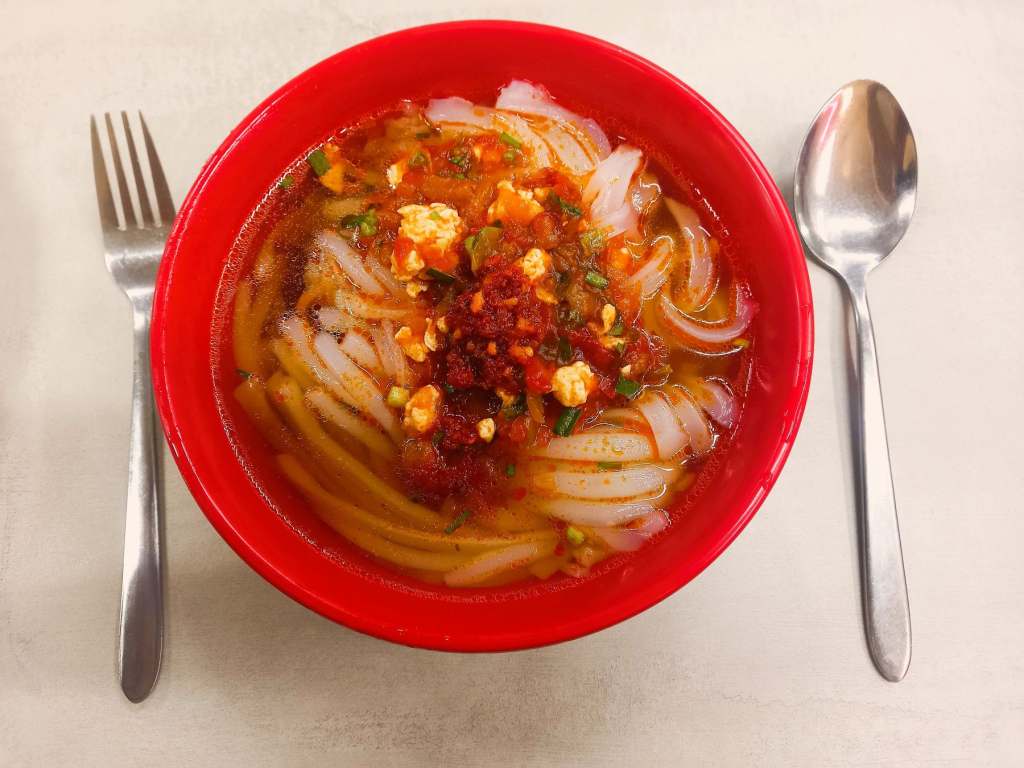
Another dish that is likely to be familiar to foreigners is plov, a rice pilau with meat and vegetables. Lagman is a noodle soup dish with strips of meat, tomatoes, peppers, carrots and garlic. A drier version of this dish is beshbarmak, or five fingers, which is boiled meat served with noodles and often vegetables as well. Another noteworthy treat is ashlyanfu, a tasty dish of noodles and corn starch with vinegar and chilli covered in a mashed up helping of onions, red peppers and chopped egg. My dish came with a potato fritter.
Geographically, this is a vast area, so expect a great variety in Central Asia food culture across the region.
Desserts in Central Asia
For desserts, there are boorsok, fried dough, sometimes eaten with jam. Chak-chak is dough with fruit and/or nuts that is then soaked in honey and fried, or irimshik, milk that is curdled then sun-dried.
Russian Cuisine in Central Asia
In areas where there are foreign visitors, towns and cities you are likely to find Russian restaurants. I was served a great borscht (beetroot soup), in a small village on the shores of Lake Issyk-Kol. You will also find pirozhki (baked pastry pockets filled with meat and vegetables, blini (wheat pancakes), and Russian-style dumplings that are round and heavier than the locally-made steamed variety.
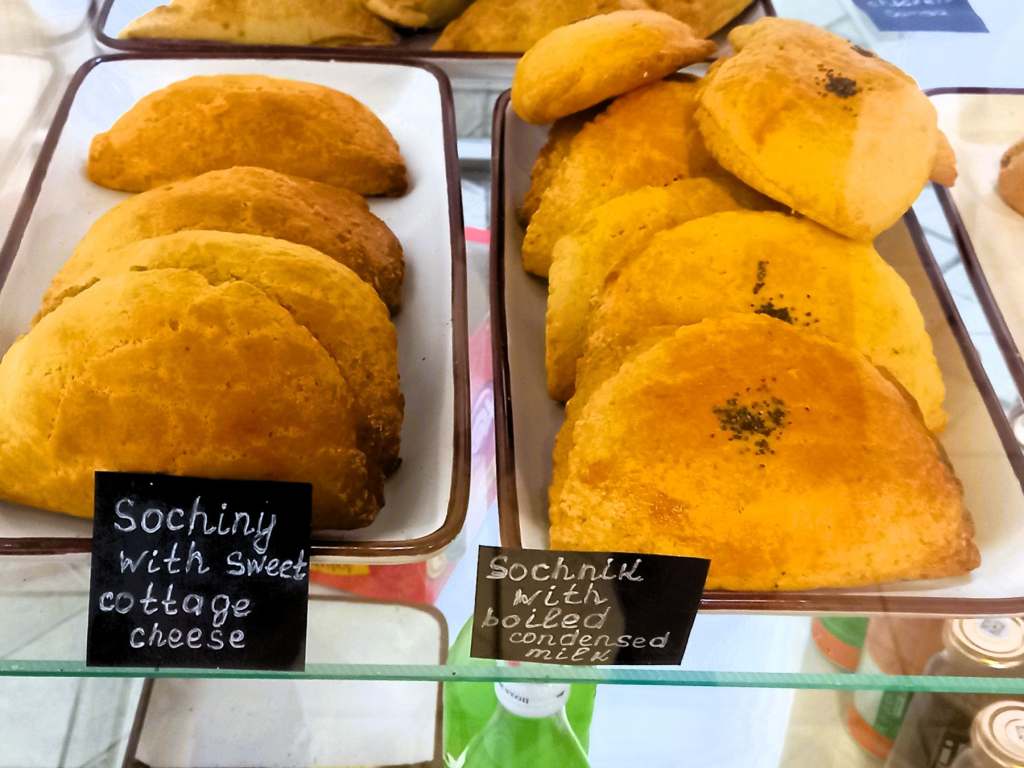
Russian-influenced desserts include sochnik/sochiny, filled semi-circular pastries, as well as kartoshka, sweet potato cakes. In this region, many menus are also written in Russian, which many people speak.
Central Asian Drinks
To wash it all down after a day of riding across the steppe, the local drink of choice is often fermented horse milk, like a sour milk beer called kumis/kymys. This may well create a marmite-like reaction: you will either hate it, or love it. Crushed millet is also fermented into a beverage called bozo. There is also coffee, green and black tea as well as fruit juices and traditional beer.
I found Central Asia food to be surprisingly varied in this most interesting part of the world.