Morning in Oslo may begin with coffee, paid for by phone while the tram approaches. A few taps reveal its arrival time, the next connection, and any delays. Later, groceries might come from an app, alongside a wool jumper from a Norwegian label shaped by older habits of outdoor life. None of this feels like a break with the past. In Norway, technology often changes access rather than asking people to abandon the habits behind it.
Convenience Has Become Digital, but the Choices Still Look Norwegian
By mid-morning, a Norwegian consumer may already have crossed several digital systems without thinking much about any of them: a ticket bought in an app, a contactless payment, a supermarket purchase, then a price comparison online. What matters is how little adjustment these transactions now require from one service to another.
Yet digitalisation does not make consumers identical across countries. Services still adapt to local expectations through currency, payment methods, and commercial language. Norwegian-facing sites often use local terms rather than direct English equivalents, especially when describing discounts, bonuses, or introductory offers. In that context, a phrase such as casino velkomstbonus fits naturally beside prices in kroner and conditions written for Norwegian readers. The underlying service may be international, but the vocabulary used to present it is distinctly local.
Shopping sites, booking services, subscriptions, and delivery apps make similar adjustments. Localisation is therefore part of the transaction itself, not merely a translation added afterwards.
From Cash to Phones, Payment Habits Show the Change Most Clearly
Payment data gives perhaps the clearest measure of Norway’s rapid technological shift. The acceleration is documented in Norges Bank’s Retail Payment Services 2025 report, which records how quickly mobile payments moved into ordinary Norwegian shopping. In 2025, phones, watches, and similar devices accounted for 27 per cent of payments at physical terminals. A year earlier, their share had been only 12 per cent.
By spring 2026, mobile payments represented 37 per cent of payments at physical points of sale. Cash, by contrast, accounted for just 3 per cent of respondents’ most recent payments at such locations.
The striking detail is the compressed timeline. A device category responsible for 12 per cent of terminal payments in 2024 reached 27 per cent only a year later. The payment terminal has become a surprisingly useful clock for measuring behavioural change.
Norwegian Words Survive Inside Global Digital Commerce
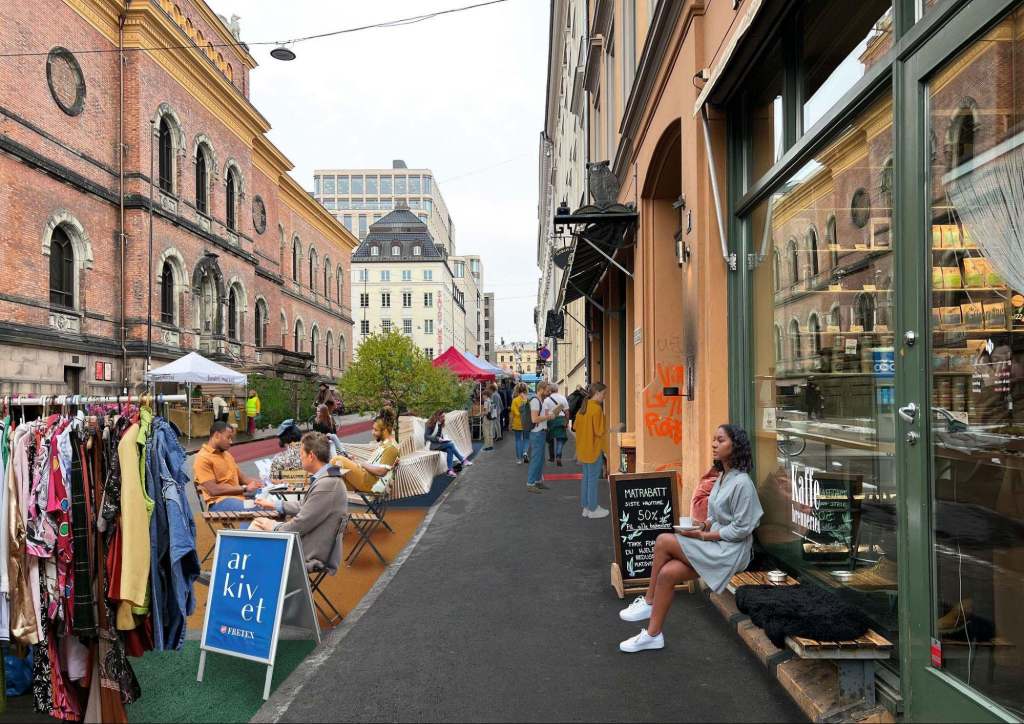
A service can run on similar technical architecture in Bergen, Berlin, and Brussels while speaking differently in each place. In Norway, the clues often sit inside the wording: krone notation, Norwegian syntax, abbreviations, search phrases, and commercial terms written for local readers.
Search habits make this localisation especially easy to spot. People tend to search with familiar prices, commercial terms, and everyday Norwegian phrasing rather than neutral international wording. Gamblizard applies specialist local-market knowledge when adapting its Norwegian pages, so the content reflects the terms, currency, and questions local users actually search for. That approach is visible even in a page address such as https://gamblizard.com/no/bonus-uten-innskudd/50-kr-gratis-casino/. The Norwegian wording and reference to 50 kroner are built directly into the URL, while the page itself is structured around a specific local search intent. In this case, localisation goes beyond translation and helps the content answer Norwegian users’ queries more fully.
Similar adjustments appear elsewhere. A hotel site may translate room categories differently, while a retailer adjusts product descriptions and delivery terms. Subscription services may alter pricing language, billing conventions, or promotional wording. They shape how people understand digital commerce. Translation here is not cosmetic. It helps determine what looks legible, credible, and recognisably Norwegian on the page.
Old Shopping Values Find New Digital Routes
Several consumer preferences associated with Norway fit comfortably into newer forms of retail. Regional food, durable outdoor clothing, repair, reuse, and second-hand buying need not disappear when discovery moves online. In some cases, digital tools simply bring those choices closer to the buyer.
An online catalogue can point shoppers towards regional produce before they visit a store. Resale services make used furniture, clothing, and sports equipment easier to find. Store apps may reveal repair options or stock nearby, while digital maps can lead visitors towards independent shops beyond the main commercial streets.
For travellers, this changes the picture of modern Norway. Technology does not simply add convenience to familiar retail. It can also give older local practices a new route to customers. For a visitor searching for regional cheese, repair services, or a second-hand wool jumper, the phone becomes less a symbol of novelty than a directory to things that existed long before it.
The City and the Cabin Do Not Follow the Same Rhythm
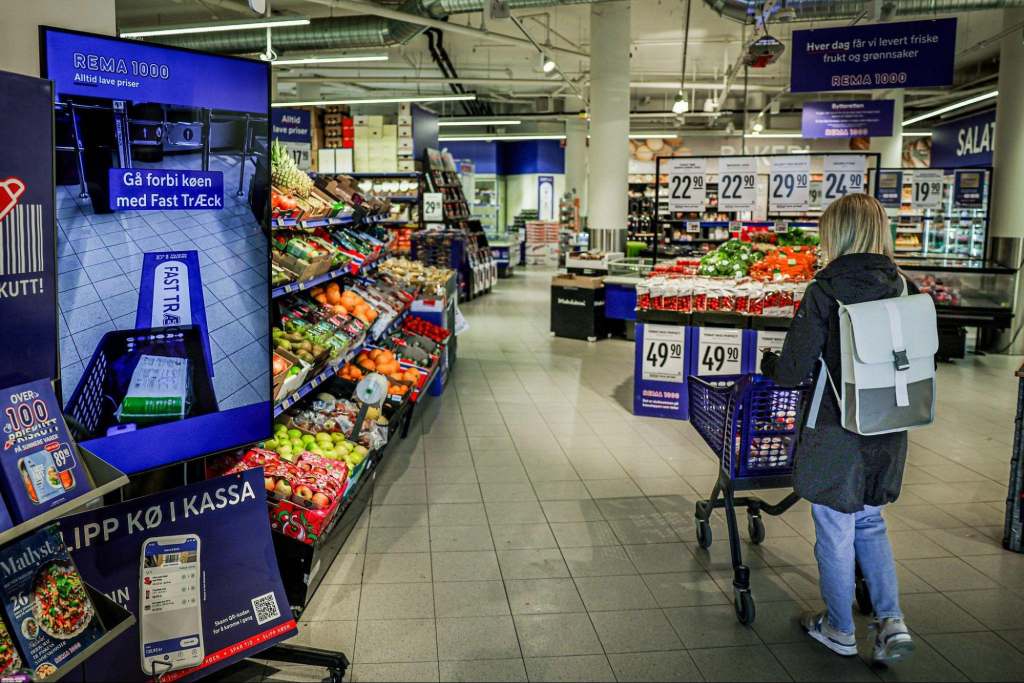
Norway’s digital habits look different across settings, even for the same person. In a city, a phone can remove small frictions from the day. It handles tickets, directions, payments, shopping, and restaurant bookings with little thought.
The rhythm may change on a weekend away. At a cabin, beside a fjord, or on a mountain path, the same traveller may value quieter routines instead. Local food, long walks, simple equipment, and time away from constant notifications often become more important.
The change of setting can also alter what people buy. A city purchase may favour speed, while a cabin weekend shifts attention towards food for several days, weatherproof clothing, practical gear, or supplies from a small local shop. Digital tools still help with planning, but the purchase itself is shaped by place. That difference is easy to miss through an urban lens. Someone who pays by phone throughout Oslo may spend Saturday choosing bread, cheese, wool clothing, or hiking supplies in a small town before continuing towards the mountains.
The distinction is less about access than tempo. Maps, forecasts, transport information, and shop searches remain useful outside the city, yet they no longer need to organise every few minutes of the day. For travellers, that change of pace can become a cultural clue in itself: the phone often stays in the pocket longer once the road leaves town.
Norway Modernises Without Starting From Zero
Norway’s useful lesson is not that old habits survive unchanged. New systems gain ground when they fit habits people already recognise, including language, payment norms, and ideas about value. That gives technological change a distinctly local shape. The clearest signs appear in ordinary settings rather than formal displays of innovation: at a café counter, beside a supermarket till, on a station concourse, or while checking a route before leaving town.
